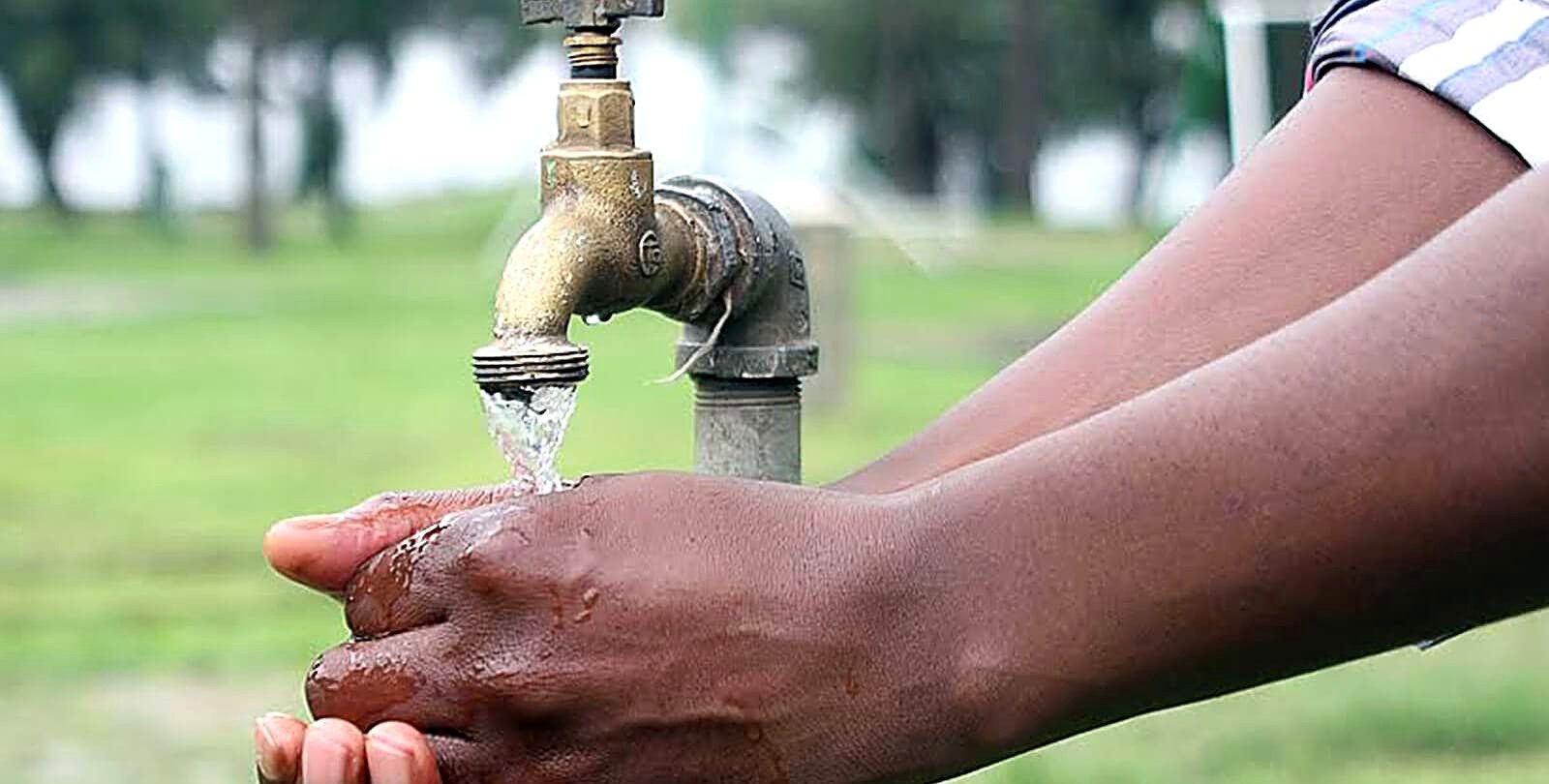
TSHWANE, South Africa: The recent water crisis in Bronkhorstspruit, in Region 7 of the City of Tshwane, is not new.
It is part of a longstanding pattern of water supply interruptions, failing infrastructure, water-quality concerns, and inadequate accountability that has affected communities across the city for years.
The latest crisis, which left hundreds of residents suffering from gastrointestinal illnesses, has once again raised serious questions about the municipality’s ability to provide reliable basic services and protect the health of its residents.
Between 7 and 18 October 2026, Bronkhorstspruit and surrounding communities, including Zithobeni, Rethabiseng, Ekangala, Dark City and Sokhulumi, reported 408 cases of gastrointestinal illness.
These figures are particularly alarming because access to safe drinking water is a basic human right, not a privilege that residents should have to fight for.
For me, this crisis is also personal. Growing up in Ekangala, I experienced first-hand the challenges of unreliable water supply and, more broadly, poor service delivery. These difficulties have remained a concern since the area was incorporated into the City of Tshwane following the dissolution of Kungwini Local Municipality in 2011.
For residents like myself, the current crisis is not an isolated incident. It reflects longstanding concerns about the reliability of basic services and whether successive municipal administrations have done enough to address them.
It is against this background that the latest developments in Bronkhorstspruit should be understood. For many residents, the crisis is not simply about a treatment plant that failed to function as expected. It is about years of frustration, repeated disruptions and the feeling that their concerns are only taken seriously when a situation reaches breaking point.
Investigations by the Department of Water and Sanitation found that water from the Bronkhorstspruit Water Treatment Works had not been chlorinated between 24 September and 14 October because of difficulties involving the city’s chlorine supplier. Tests also detected high levels of E. coli and total coliforms in the water.
The findings are deeply concerning, particularly because residents were reportedly not adequately warned that their water supply was unsafe.
This was more than a technical failure at a treatment plant. It raised serious questions about procurement, operational oversight, communication, and the municipality’s responsibility to protect public health.
The reported cases of typhoid in the area in November 2025 add to residents’ concerns.
If the earlier cases and the current outbreak are not directly connected, the city must nevertheless explain what measures were implemented after those earlier concerns and whether its monitoring and response systems were strengthened.
Nearly a year later, residents are once again confronting serious concerns about water safety. The city must demonstrate that it has learnt from previous incidents rather than allowing communities to face similar risks repeatedly.
Mayor Moya admits negligence, but accountability must follow
Tshwane Executive Mayor Dr Nasiphi Moya has acknowledged the seriousness of the crisis and accepted responsibility for the municipality’s negligence.
Speaking at a media briefing on October 19, Moya said: “We take responsibility for the negligence.”
She explained that difficulties involving the chlorine supplier had resulted in the treatment plant running out of chlorine, while senior municipal leadership had not been informed of the problem in time.
Her acknowledgement is significant. It suggests that the incident was not simply an unavoidable equipment breakdown, but also involved failures in communication and operational oversight.
However, accepting responsibility is only the beginning. Residents need to know what went wrong, who was responsible for the relevant decisions and omissions, and what measures will be implemented to prevent a recurrence.
The mayor’s admission must therefore be followed by a transparent investigation, clear findings and measurable improvements. Where negligence or misconduct is established, appropriate action must follow.
ALSO READ: EFF turns on coalition partner as 408 fall ill in Tshwane water contamination crisis
Residents cannot be expected to accept repeated apologies while continuing to experience unreliable services and uncertainty about the safety of their drinking water.
Residents need solutions, not assurances
The immediate priority is to ensure that affected communities have access to safe drinking water while the authorities investigate the contamination and monitor water quality.
The city has been distributing water by tanker, an important emergency measure for households that cannot safely rely on their usual supply. However, tankers are a temporary intervention, not a long-term solution to the municipality’s water challenges.
Moya also rejected claims that cholera had been established as the cause of the current gastrointestinal illness outbreak.
In a statement issued through ActionSA on October 20, she said: “Cholera has not been identified as the cause of the gastrointestinal illness outbreak in Bronkhorstspruit.”
That distinction is important. Public statements must reflect the available scientific evidence, and an outbreak of gastrointestinal illness should not automatically be described as cholera.
Nevertheless, the absence of a confirmed cholera diagnosis does not make the situation any less serious.
The mayor has also pointed to substantial expenditure and planned investment in the refurbishment of the Bronkhorstspruit Water Treatment Works, including more than R107 million in expenditure and planned investment over the 2025/26 to 2027/28 financial years.
The question residents are entitled to ask is simple: what has this investment delivered, and when will they see a consistently safe and reliable water supply?
Bronkhorstspruit is not an isolated case
The latest crisis must be viewed within the wider history of water supply problems across Tshwane.
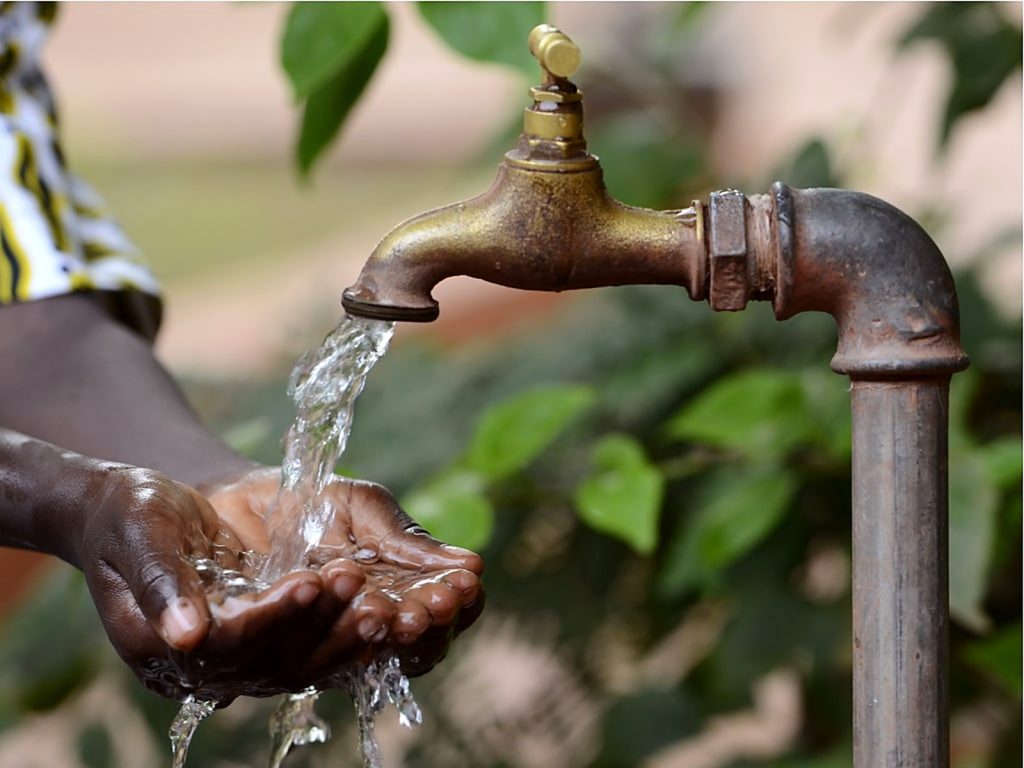
In February 2026, the city reported that the Zithobeni Tower had run empty amid high water consumption and critically low reservoir levels.
Residents were urged to reduce consumption while technicians worked to stabilise the system.
In June 2026, a mechanical failure at the raw-water abstraction works disrupted normal operations at the Bronkhorstspruit Water Treatment Plant. Although repairs were completed, the incident highlighted the vulnerability of the infrastructure on which local communities depend.
The latest investigation has exposed further weaknesses, with reports indicating that several components of the treatment works, including pumps, sand filters and other mechanical equipment, were not functioning properly.
These recurring difficulties raise questions about whether the city’s maintenance and contingency plans are adequate.
Mechanical failures can occur in any water system. However, a municipality must have the technical capacity, maintenance schedules, backup arrangements and operational controls to minimise disruptions and respond effectively when problems arise.
A dependable water supply cannot be built around emergency repairs, repeated appeals for residents to conserve water and the distribution of tankers whenever infrastructure fails.
Preventative maintenance, adequate supplies of treatment chemicals, properly functioning equipment and skilled personnel must be part of routine municipal operations.
Hammanskraal should have been a turning point
If there is one community whose experience should have forced Tshwane to take water quality and sanitation more seriously, it is Hammanskraal.
In 2023, a cholera outbreak claimed approximately 40 lives and exposed longstanding problems involving water and sanitation in the area.
ALSO READ: Kenya’s $1.6bn US health deal faces its first big test: Can Nairobi take the wheel?
The condition of the Rooiwal Wastewater Treatment Works and pollution affecting waterways highlighted the consequences of inadequate wastewater management and infrastructure failures.
The outbreak prompted urgent interventions and promises to improve access to safe drinking water.
Yet the subsequent rollout of permanent water infrastructure has been marked by delays and continuing challenges for some communities.
Hammanskraal should have served as a turning point, compelling the city to strengthen water-quality monitoring, improve maintenance and ensure that public health risks were identified and addressed before they escalated into emergencies.
Instead, the recurring difficulties in Bronkhorstspruit raise a troubling question: have the lessons of Hammanskraal been applied consistently across the municipality?
The circumstances in the two areas are not identical, and their technical challenges should not be conflated. Nevertheless, both demonstrate why reliable water treatment, effective sanitation management, proper maintenance and timely communication must be treated as essential responsibilities.
The lesson is clear: authorities must intervene before infrastructure failures and water-quality concerns become public health emergencies.
The mayor’s challenge is to turn promises into progress
Moya has acknowledged negligence and pointed to investment in the Bronkhorstspruit treatment works.
Her administration has also stressed the need to address the immediate crisis and establish what went wrong.
These commitments must now translate into visible improvements.
The mayor and her administration must demonstrate that the city can maintain its treatment facilities, secure essential supplies, communicate risks promptly and provide a dependable supply of safe drinking water.
This is particularly important for communities that have endured years of service-delivery frustrations. For residents of Ekangala and surrounding areas, the latest crisis is not just a news headline. It affects everyday life, household budgets, and confidence in local government.
When water is unavailable or unsafe, families may have to purchase bottled water or find alternative sources. Small businesses face disruption, schools must maintain adequate sanitation, and vulnerable residents face additional health risks.
Households should not have to spend extra money to secure safe drinking water while continuing to pay municipal bills for services that fail to meet their basic needs.
The city must therefore be judged not only by the money it allocates or the statements its leaders issue, but by whether residents experience meaningful and lasting improvements.
Tshwane cannot afford another preventable crisis
The crisis in Bronkhorstspruit should mark a turning point in how Tshwane manages its water and sanitation systems.
Hammanskraal demonstrated the potentially devastating consequences of water and sanitation failures. The recurring disruptions in Bronkhorstspruit, culminating in the latest contamination incident, reinforce the need for preventive action, effective oversight and public accountability.
For those of us who grew up in communities such as Ekangala, these problems are not new. They form part of a longer history of concerns about water supply and the delivery of basic services.
The fact that such challenges persist years after the area’s incorporation into Tshwane makes it even more important for the city to demonstrate what has changed and what remains to be done.
Sphiwe Masilela is a reporter at The African Chronicle. He grew up in Ekangala, in Region 7 of the City of Tshwane.