By Bheki Dlamini
GABORONE, Botswana — Botswana’s public health system teeters on the brink of crisis after President Duma Boko declared a national public health emergency on Monday, exposing a catastrophic collapse in the supply of essential medicines and medical supplies across the country. Hospitals and clinics, from the bustling urban centers to the most remote corners, are facing alarming shortages that threaten the very survival of vulnerable patients.
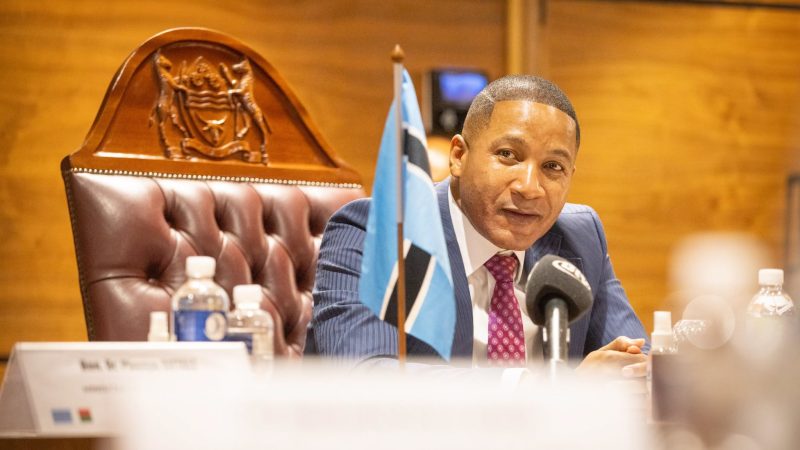
In a televised address, President Boko delivered a stark diagnosis: “The medical supply chain, as run by central medical stores, has failed.” This failure, he explained, has triggered a severe disruption in health services nationwide, forcing the postponement of all non-urgent surgeries and leaving doctors struggling to provide even basic care.
The government has swiftly mobilized and the military has been called in to oversee emergency distribution efforts, with the first convoys leaving the capital Gaborone by Monday evening, destined for the nation’s hardest-hit districts. Concurrently, the Finance Ministry approved an emergency injection of 250 million pula (approximately $17.35 million) to replenish critical medical stocks.
Yet, the crisis reflects deeper financial and systemic challenges. Botswana’s economy, heavily reliant on diamond exports, the world’s top producer by value, has suffered from a prolonged downturn in the global market. This economic squeeze has coincided with a significant cut in U.S. health sector funding, a key source of support in recent years, though the government has been tight-lipped on whether this contributed to the current emergency.
ALSO READ: Lesotho health minister says his country must be less reliant on SA and “stop being beggars”
President Boko did not mince words regarding the inefficiencies worsening the crisis: “The price at which the government procures medical supplies is inflated, and existing distribution systems are riddled with loss, waste, and damage.” This candid admission highlights long-standing governance problems within the flagship medical supply agency, Central Medical Stores.
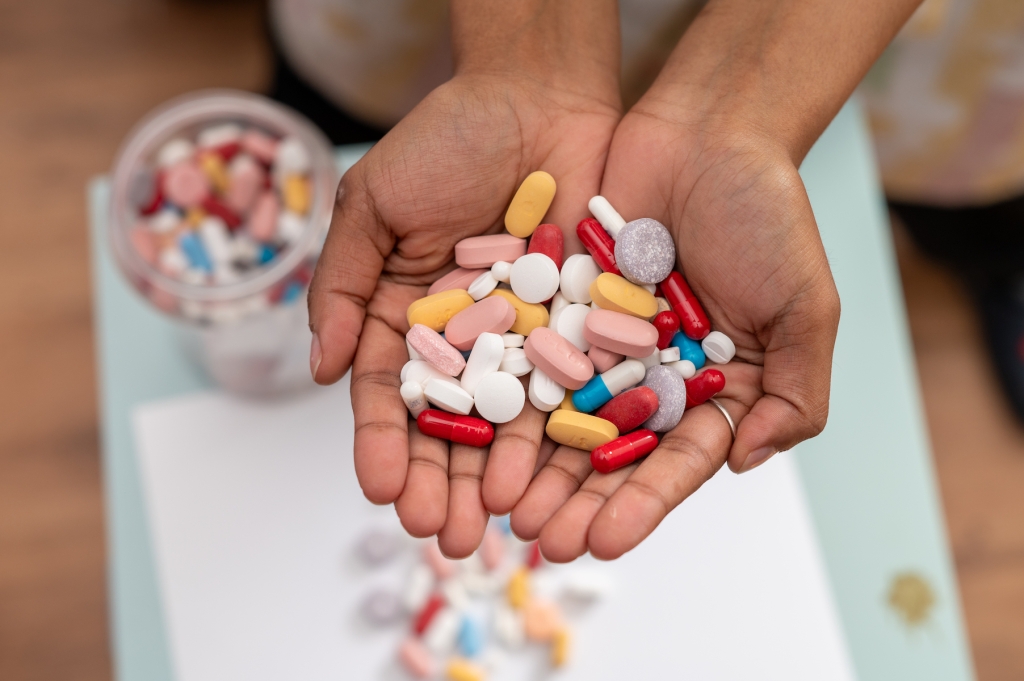
The Ministry of Health’s early August warning foreshadowed the emergency, revealing a debt burden of one billion pula owed to private health facilities and suppliers, compounding procurement bottlenecks and crippling service delivery. Essential medicines for hypertension, cancer, diabetes, tuberculosis, eye conditions, asthma, sexual and reproductive health, and mental health are all in critically low supply. Add to this the shortage of surgical dressings and sutures, and the picture is one of a system stretched dangerously thin.
Frontline health workers report agonizing choices. Clinics turn away patients or ration medicine; chronic disease sufferers face interruptions in treatment; surgeries linger unresolved as delays mount. For Botswana’s citizens, these shortages translate to lives disrupted, debilitated, or lost.
ALSO READ: ‘We Just Needed a Hospital’ – The Struggle for Mothers and Children in Somalia’s Southwest
Healthcare analyst Tebogo Morake explains, “This isn’t just a supply chain failure. It’s a failure to safeguard Botswana’s health security and the rights of its people to basic healthcare.” The declaration of a public health emergency, while dire, signals urgent acknowledgement and could catalyse systemic reform, if timely and transparent action follows.
The road ahead is fraught. Botswana must preserve the gains made in public health over decades by addressing procurement reform, fiscal sustainability, and distribution transparency. Presidential assurance of emergency funding and military-led distribution offer hope, but the core challenges demand deeper institutional fixes.
As President Boko concluded, “We owe our people a health system that works, efficient, accountable, and resilient. This emergency is a wake-up call.”
For the people of Botswana, health is the lifeline. At stake is not only their well-being but the social stability and future prosperity of a nation grappling with unforeseen economic headwinds.
In Botswana’s unfolding health crisis, the call is clear: restore trust, repair systems, and ensure that no clinic runs dry again.