GABORONE: Botswana has begun making its own HIV medicines, producing its first batch of antiretrovirals a year after severe shortages left clinics without essential drugs and forced the government to declare a public health emergency.
The breakthrough marks a significant step towards reducing the country’s dependence on imported medicines and foreign aid, while securing supplies for a population heavily affected by HIV.
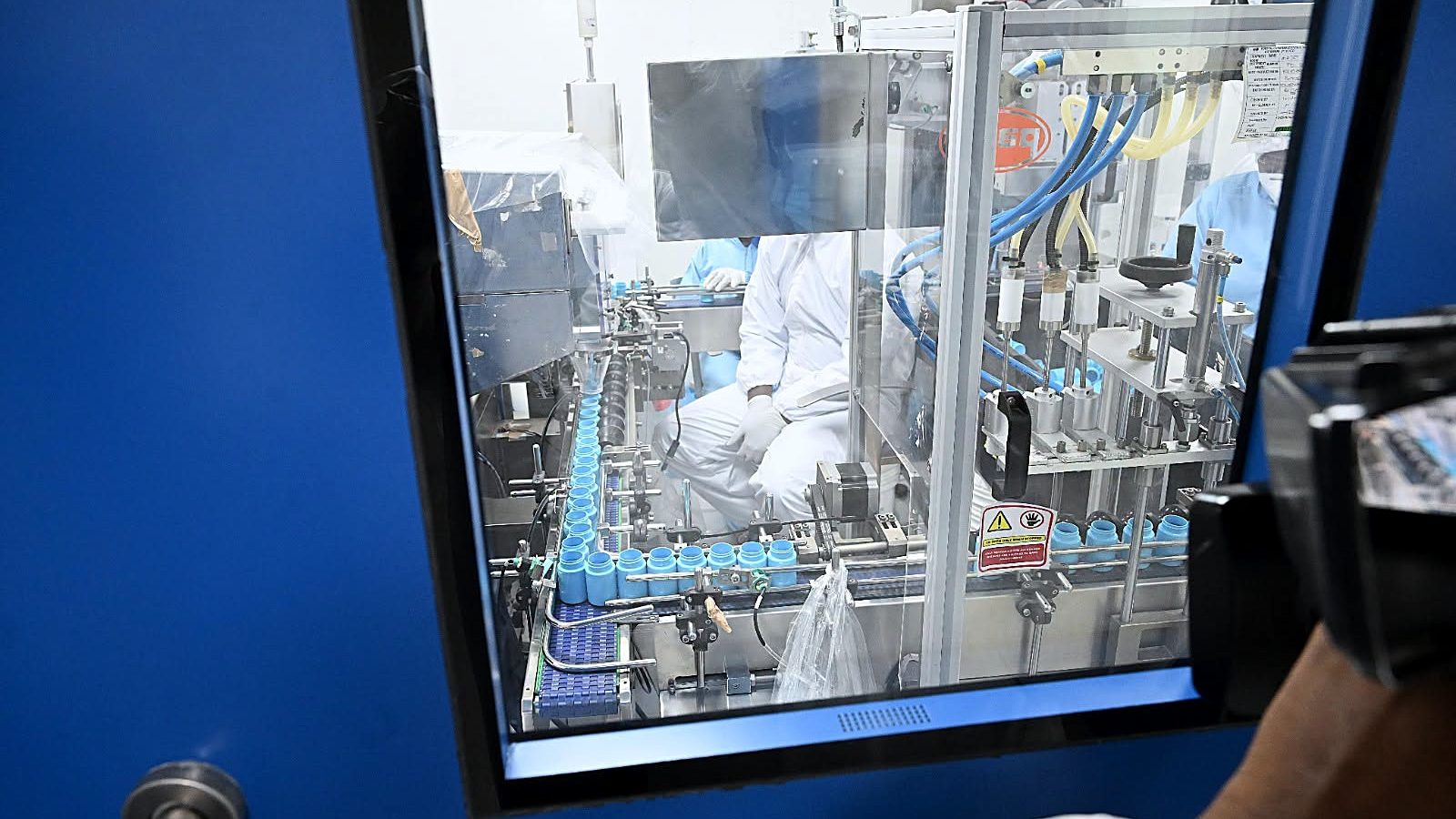
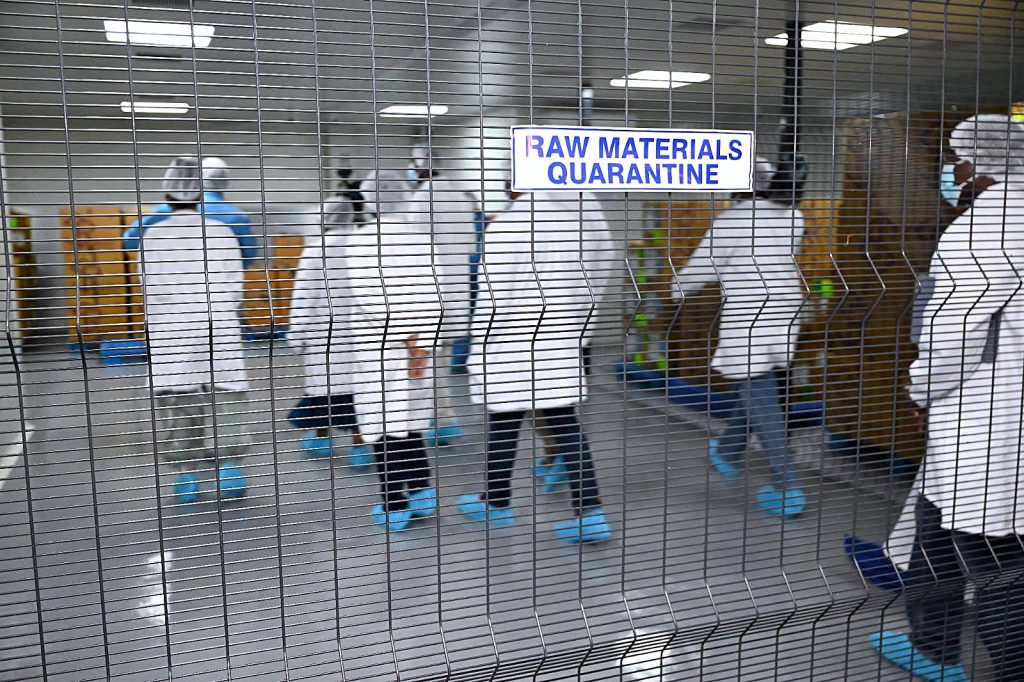
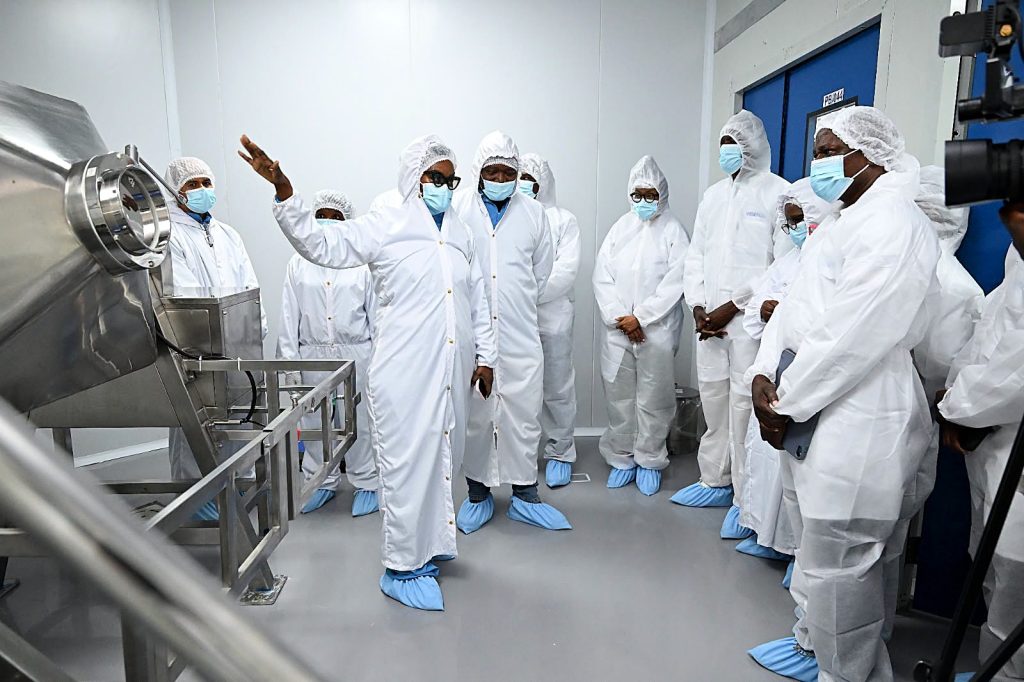
The medicines were manufactured at Portfolio Pharmaceuticals Botswana in Phakalane, outside Gaborone, following the transfer of technology from an international manufacturing partner, the government said.
Local pharmacists, scientists and technicians have been trained in production, testing and quality control. However, the government has not disclosed the identity of the international partner.
Regulatory approval still required
The medicines are not yet available to patients. Portfolio Pharmaceuticals is working with the Botswana Medicines Regulatory Authority (BoMRA) to complete the regulatory process before production can be approved for public supply.
Assistant Minister of Health Lawrence Ookeditse said local manufacturing would help reduce medicine shortages, limit the country’s reliance on imported supplies and create skilled employment opportunities for Batswana.

He also urged the company to expand its operations and consider supplying other African markets.
Portfolio Pharmaceuticals plans to broaden its local manufacturing capacity to include medicines for chronic conditions. The government says this could support economic diversification while helping to establish a domestic pharmaceutical industry.
ALSO READ: Boko and Xi deepen Botswana-China ties as diamond slump drives diversification push
Botswana’s heavy reliance on HIV treatment
Few countries have a greater need for a reliable supply of HIV medicines than Botswana. National HIV prevalence is estimated at about 20.8%, with approximately 329,000 adults living with the virus. The country remains among the four most affected globally, according to AllAfrica.
At the same time, Botswana has made significant progress in its HIV response. It has surpassed the UNAIDS 95-95-95 targets, with 95% of people living with HIV knowing their status, 98% of those diagnosed receiving antiretroviral therapy, and 98% of those on treatment having achieved viral suppression.
Maintaining that progress depends on a consistent supply of medicines, which people living with HIV need to take daily for life.
From medicine shortages to local production
That supply was severely disrupted last year. In August 2025, President Duma Boko declared a public health emergency after clinics ran out of essential medicines.
“The medical supply chain as run by central medical stores has failed,” Boko said in a televised address. “This failure has led to a severe disruption to health supplies countrywide,” Reuters reported.
The government approved 250 million pula in emergency procurement funding and deployed the military to help oversee medicine distribution.
The crisis unfolded as a prolonged decline in diamond prices put pressure on public finances, while cuts to US aid funding affected the health sector.
According to UNAIDS figures cited by Semafor, the United States had funded about a third of Botswana’s HIV response.
‘We cannot be perpetual beggars’
The shortages prompted the government to reconsider its dependence on imported medicines and external funding.
ALSO READ: Botswana marks 60 Years of Independence as Boko opens door to Madagascar
In February, Health Minister Stephen Modise told Semafor that Botswana was engaging international manufacturers, including companies in India, about establishing local operations and training Batswana to eventually take over production.
“We cannot be perpetual beggars,” Modise said. “Over-reliance on aid is not helpful because then you’re vulnerable.”
Botswana has also explored joint pharmaceutical manufacturing and pooled procurement arrangements with South Africa, Zambia and Zimbabwe.
“Pooled procurement is a very effective way of getting medicines as a bloc,” Modise said.
Part of a wider African push
The first locally manufactured batch in Phakalane forms part of a broader African effort to increase domestic pharmaceutical production and reduce dependence on imported medicines. The Covid-19 pandemic exposed the risks of relying heavily on international supply chains during a global health crisis.
However, expanding production remains a challenge. African countries continue to depend on imports for many of the raw materials used to manufacture medicines.
“African countries still import most of the raw materials needed to make the ingredients,” Cloudius Ray Sagandira, principal researcher at South Africa’s Council for Scientific and Industrial Research, told Semafor.
For Botswana, the immediate priority is securing regulatory approval and building the capacity to produce medicines at scale. The real test will be whether local manufacturing can provide a reliable supply and help prevent a repeat of the shortages that disrupted treatment last year.