PRETORIA: South Africa’s murder rate is falling, as are carjackings and truck hijackings. But the latest crime statistics offer little comfort to communities still living with the threat of violence.
Between July and September 2026, 5,590 people were murdered across the country, an average of about 60 a day.
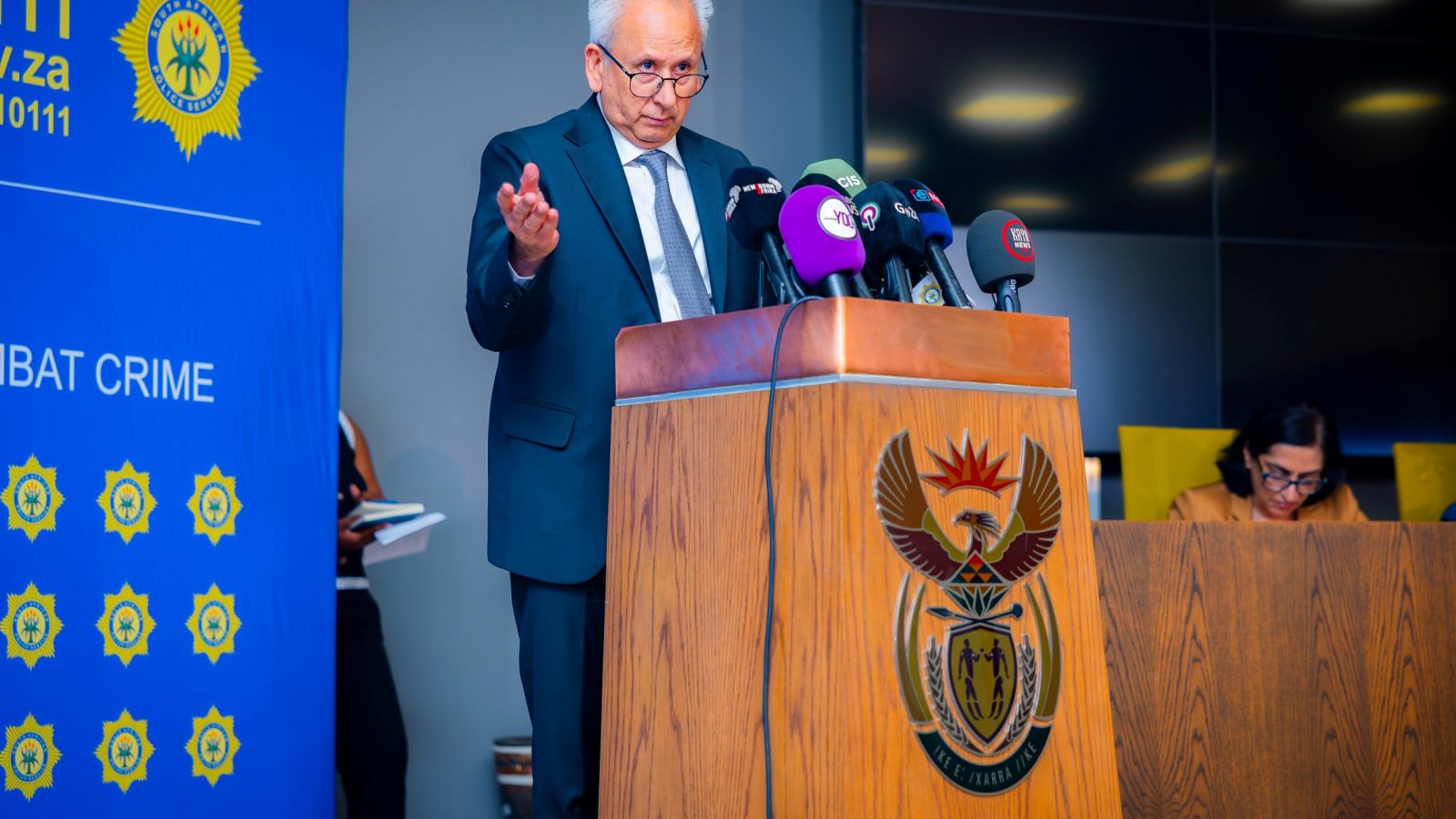
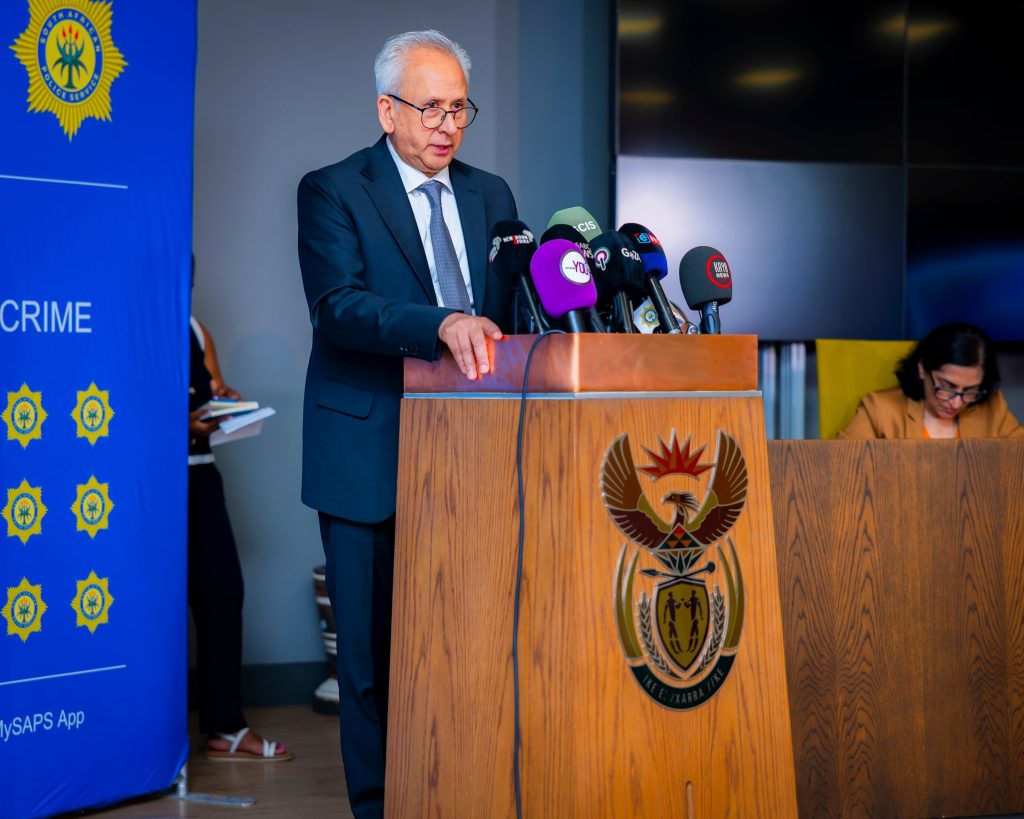
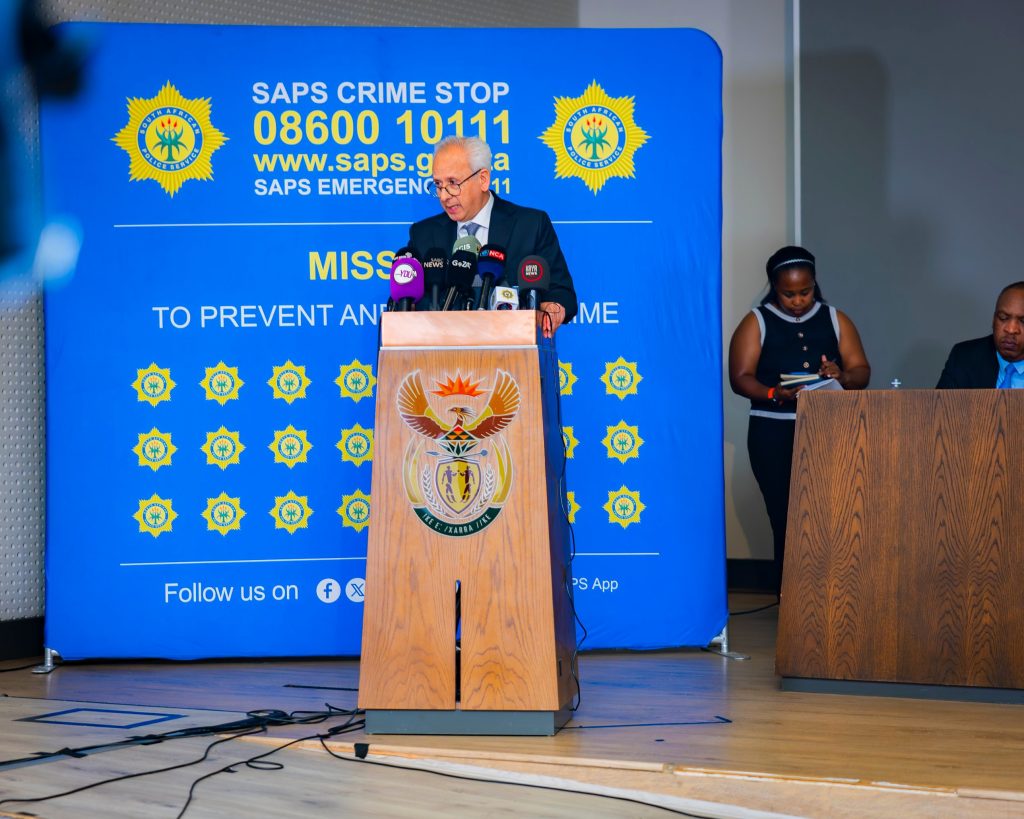
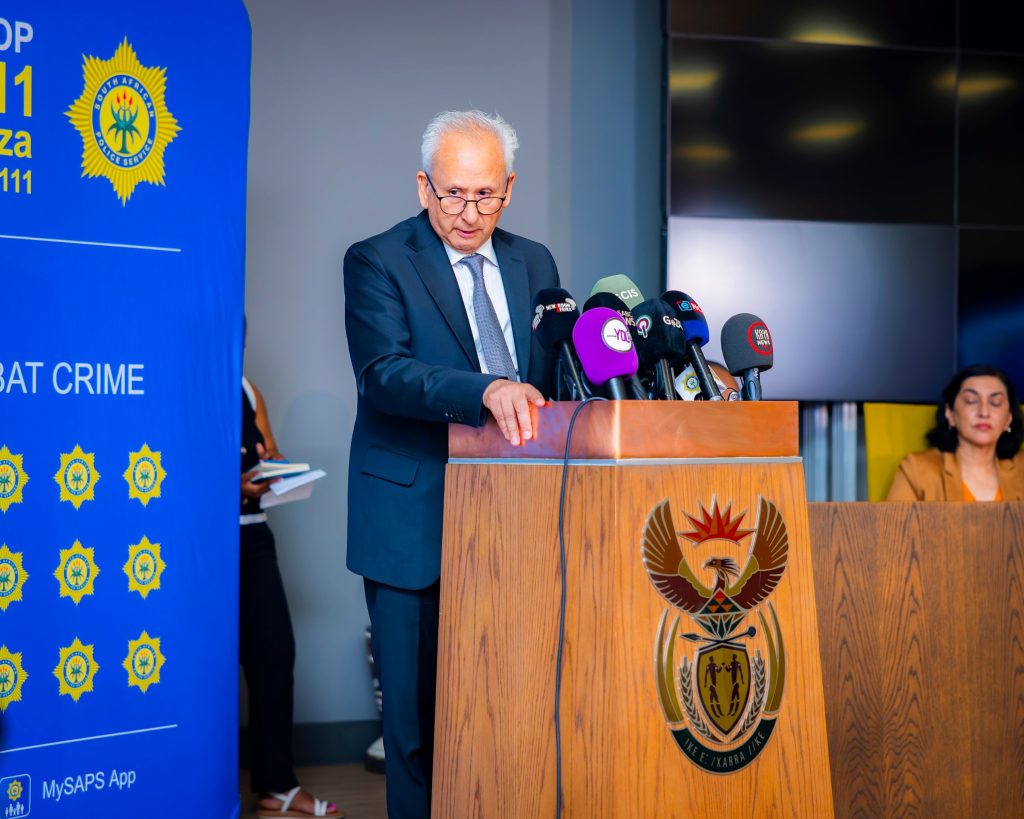
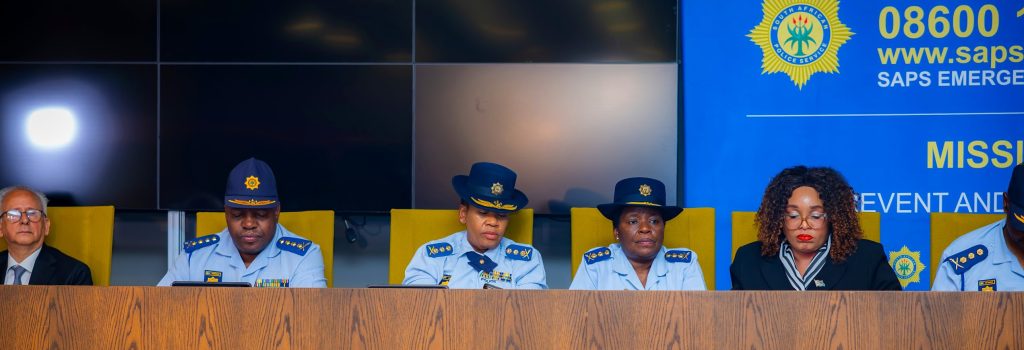
That was the sobering message from Acting Police Minister Firoz Cachalia as he released the second-quarter crime statistics in Pretoria on Friday, 20 November.
“Crime statistics are not merely numbers. Our first duty is to acknowledge these experiences, and our second is to act decisively,” Cachalia said.
While several categories of serious crime have declined, the figures show that violence remains deeply entrenched in parts of the country, with firearms, alcohol abuse, gang activity and unsafe public spaces continuing to take a heavy toll.
Murder and other serious crimes decline
Cachalia said the latest figures suggested that South Africa was beginning to reverse a prolonged rise in violent crime.
Between 2012 and 2025, most categories of violent crime increased over 13 consecutive years. The current figures, he said, point to a change in that trend.
Police recorded 5,590 murders in the three months to September, 204 fewer than the 5,794 recorded during the same period last year. This represents a decline of 3.5%.
The reduction follows an earlier improvement. Murders fell by 11.5%, or 751 cases, between July and September 2025 compared with the corresponding period in the previous year.
Other categories also showed declines. Carjacking fell by 16.8%, truck hijacking by 27.9%, and robberies at residential and business premises by 7%. Sexual offences declined by 2.7%.
Cachalia said the figures demonstrated that targeted policing and sustained operations could produce results.
The human cost remains severe
Despite the overall decline, the number of people killed remains exceptionally high.
The latest quarter also recorded more murders than the preceding three months. Police registered 5,427 murders between April and June 2026, meaning killings increased by 163 cases in the July-to-September period.

The risk is not evenly distributed across the country. The Eastern Cape recorded the highest murder risk, followed by the Western Cape and KwaZulu-Natal.
Within those provinces, violence is concentrated in particular communities, streets and police station areas.
About 80% of gang-related murders and almost 60% of taxi-related murders were recorded in the Western Cape. Gauteng had the highest number of robbery-related murders.
Some police station areas remain particularly hard hit. Delft in Cape Town recorded 1,016 contact crime cases during the quarter, while Inanda, north of Durban, recorded 980.
There are, however, signs that focused interventions can make a difference. Mfuleni recorded 222 fewer contact crimes than in the same period last year, followed by Nyanga with 116 fewer, Johannesburg Central with 104 fewer and Khayelitsha with 87 fewer.
Cachalia said the violence in the worst-affected communities could not be addressed through policing alone. Areas struggling with gang violence also needed social and economic development.
“It is not about blaming apartheid,” he said, while calling for an honest discussion about the historical conditions that continue to shape violence in some communities.
Police officers also paying the price
The statistics were released against the backdrop of a difficult period for the police, following the deaths of officers in the line of duty.
ALSO READ: Lebeya calls for stronger fight against crime through justice system
Last week, station commander Lieutenant-Colonel TG Sithole was killed in a shootout during an operation targeting a business robbery near Greytown in KwaZulu-Natal.
Earlier this week, Sergeant Madikizela was killed during an operation in Lwandeni, Mthatha, in the Eastern Cape.
The country was also shaken by two mass shootings within hours of each other in the past week.
Nine people were shot dead inside a shack in Jeffsville, Atteridgeville, west of Pretoria, while eight men were killed in a vehicle in Sweetwaters, outside Pietermaritzburg.
Police believe many mass shootings are linked to organised crime, although investigations must establish the circumstances and motives in each case.
Alcohol linked to thousands of violent crimes
One of Cachalia’s strongest warnings concerned alcohol and its role in violent crime.
Police recorded 8,201 alcohol-related contact crimes during the quarter. These included 271 murders, 589 attempted murders, 1,483 rapes and 5,858 serious assaults.
A further 235 murders took place in or around liquor outlets, including shebeens, taverns, pubs, nightclubs and bottle stores.
Cachalia cautioned against assuming that every crime committed near a licensed establishment was the responsibility of the business. However, he said harmful drinking and poorly regulated venues could create conditions in which disputes escalated into violence.
“Recreation must never become a route to violence. No gathering, no dispute and no night out should end in a family losing a son, daughter, parent or friend,” he said.
The government plans to intensify operations against unlicensed liquor outlets and businesses that violate their licence conditions.

Cachalia said provincial liquor authorities and municipalities also had a responsibility to ensure proper licensing, enforce trading hours and act against outlets selling alcohol to minors.
Firearms used in 2,552 murders
Illegal firearms remain another major driver of lethal violence.
Police recorded 2,552 murders involving firearms during the quarter, making guns the most commonly used weapon in the killings.
The Western Cape recorded 732 firearm murders, Gauteng 675 and KwaZulu-Natal 560. Together, the three provinces accounted for 77% of the country’s firearm-related murders.
“A firearm turns a dispute into a death,” Cachalia said.
He said police would intensify efforts to recover illegal firearms, trace their origins and investigate how they find their way into criminal networks.
The strategy also includes auditing firearm controls and using forensic evidence to link recovered weapons to crime scenes. The aim is to ensure that a firearm recovered today can help investigators solve a murder committed months or even years earlier.
Cachalia also warned licensed firearm owners to store their weapons securely, saying stolen firearms could end up being used in further crimes.
Unsafe public spaces create opportunities for crime
The statistics also point to the dangers people face in public spaces.
Nearly 3,000 murders took place in streets, open fields, parks, beaches, parking areas and recreational centres.
ALSO READ: Crime Still ‘Unacceptably High’ Despite Declines – SA Police Minister
Public spaces also accounted for 1,547 reported rapes in the analysed sample. A further eight murders and 103 rapes were recorded in abandoned or unfinished buildings.
Cachalia argued that crime prevention had to extend beyond police patrols and arrests to include better urban planning and municipal services.
Municipalities, he said, needed to improve street lighting, clear overgrown areas, secure abandoned buildings and maintain parks and other public spaces.
“A dark street, an abandoned building, a broken fence or an unmanaged park can become an opportunity for crime. Safe infrastructure is crime prevention,” he said.
The message was that poorly maintained environments can make it easier for criminals to operate and leave residents more exposed to violence.
Women and children remain vulnerable
The figures on sexual violence remain deeply concerning.
Police recorded 9,908 rapes during the quarter. Of the cases in which the victim’s age and sex could be verified, 4,362 involved children under 18, 5,116 involved adult women and 227 involved adult men.
Cachalia said police needed to improve the way survivors were treated at police stations, ensure that investigations were conducted professionally and compile stronger case dockets.
But he also called for broader social intervention to challenge attitudes that normalise abuse and violence, including the belief that men must use force to command respect.
Men, meanwhile, continue to make up the overwhelming majority of murder victims, accounting for 86.7% of those killed.
The scale of violence against women is also reflected in missing-person reports. In a written parliamentary reply released a week before the crime statistics, Cachalia disclosed that nearly 2,000 women had been reported missing during the latest reporting period, with 936 cases still open.
Four priorities to tackle violent crime
Cachalia outlined four priorities for the police and other government institutions, arguing that reducing crime would require coordinated action across society.
The first is targeted enforcement, focusing police resources on the people, places, times and networks driving violence, illegal firearms, kidnappings, extortion and organised robbery.
The second is stronger partnerships between the police, municipalities, liquor regulators, health and social development departments, schools, businesses and communities. Each institution, he said, must understand its responsibilities and be held accountable.
The third is victim-centred justice, ensuring that survivors receive professional treatment, timely investigations and meaningful protection.
The fourth is crime prevention through safer communities, including reducing alcohol-related harm, removing illegal guns, securing abandoned buildings, maintaining public spaces and intervening before violence becomes entrenched.
Political context behind the policing challenge
Cachalia has served as Acting Minister of Police since July 2025, when President Cyril Ramaphosa placed Senzo Mchunu on leave following allegations by KwaZulu-Natal police commissioner Lieutenant-General Nhlanhla Mkhwanazi of political interference in the criminal justice system.
Those allegations are being examined by the Madlanga Commission of Inquiry, which is investigating claims of criminality, political interference and corruption within the criminal justice system.
The inquiry has added to scrutiny of police leadership, accountability and the relationship between law enforcement and criminal networks.
For Cachalia, the latest statistics present a mixed picture: some serious crimes are declining, but the daily loss of life remains unacceptable.
“There is no acceptable level of murder, rape, kidnapping or violent assault,” he said.