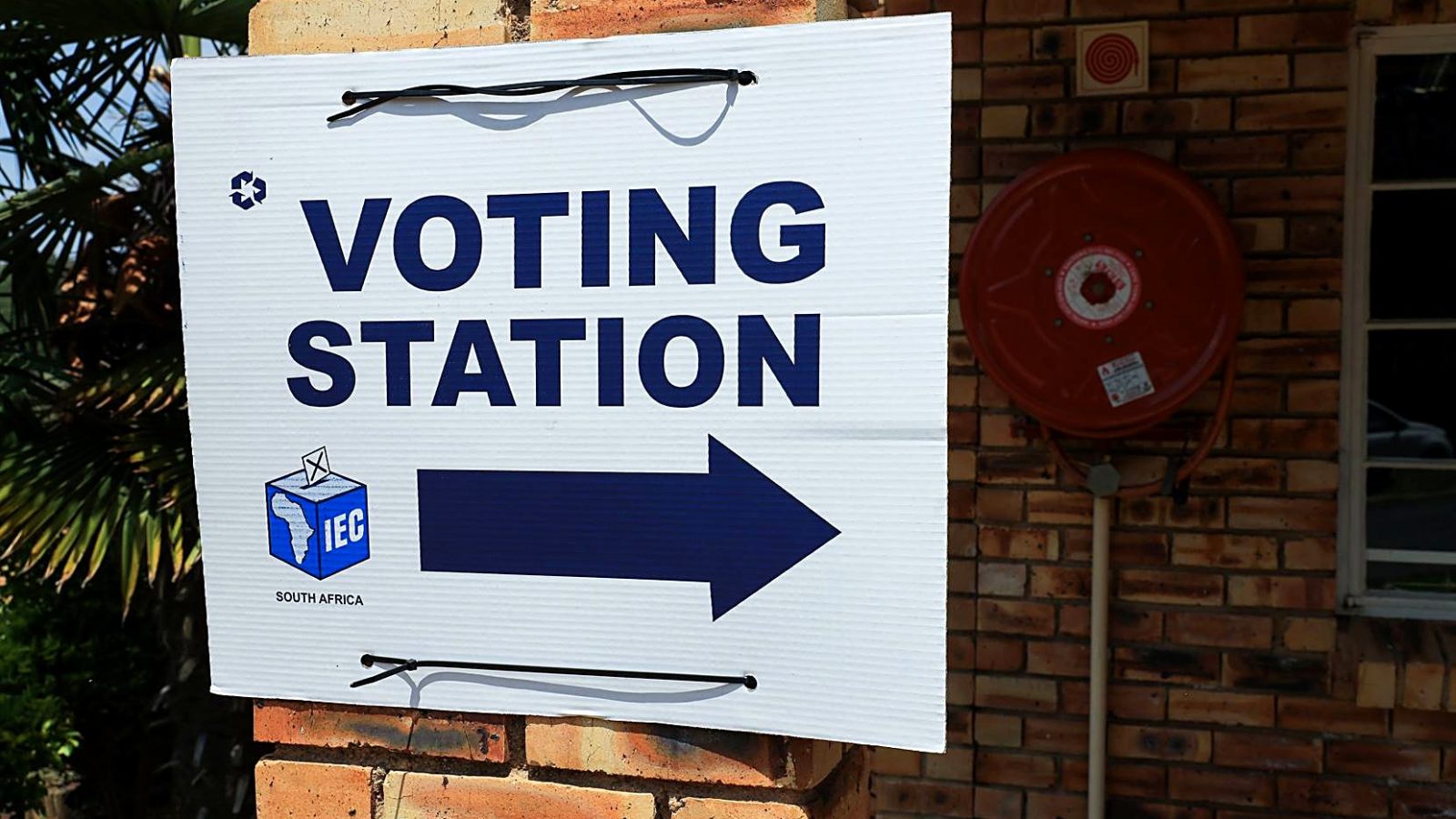
MBOMBELA: South Africa’s democracy is approaching an important crossroads. More than three decades after the first democratic elections, an increasingly large number of eligible voters are choosing not to participate in elections. The trend is particularly concerning among young people, many of whom appear increasingly disconnected from formal political processes.
This raises an important question: can a democracy remain truly representative and legitimate when a growing proportion of its electorate does not participate in choosing those who govern?
Democracy was not handed to South Africans by those who once held political power. It was won through decades of struggle, sacrifice, imprisonment and the loss of countless lives. The right to vote represents one of the most significant achievements of that struggle. Yet, more than 30 years into democracy, millions of eligible citizens are not exercising that right.
The decline in voter participation should concern all South Africans, regardless of their political affiliation. It is not simply an electoral issue. It reflects the state of the relationship between citizens, political parties and the institutions responsible for governing the country.
One proposal deserving serious national debate is whether South Africa should introduce compulsory voting.
A worrying decline in voter participation
The figures paint a troubling picture of South Africa’s electoral journey.
Voter turnout stood at approximately 89.3% in the 1999 national elections. It declined to 77.3% in 2009, 73.5% in 2014, 66% in 2019 and 58.6% in the 2024 national and provincial elections, according to figures cited by International IDEA and the Department of Planning, Monitoring and Evaluation.
The 2024 elections also exposed the challenge of attracting younger voters. According to the Electoral Commission of South Africa (IEC), just over 45% of registered voters aged between 18 and 19 participated.
These figures point to more than a decline in enthusiasm for elections. They suggest that the democratic process is becoming increasingly disconnected from the daily experiences, expectations and aspirations of a significant section of the population.
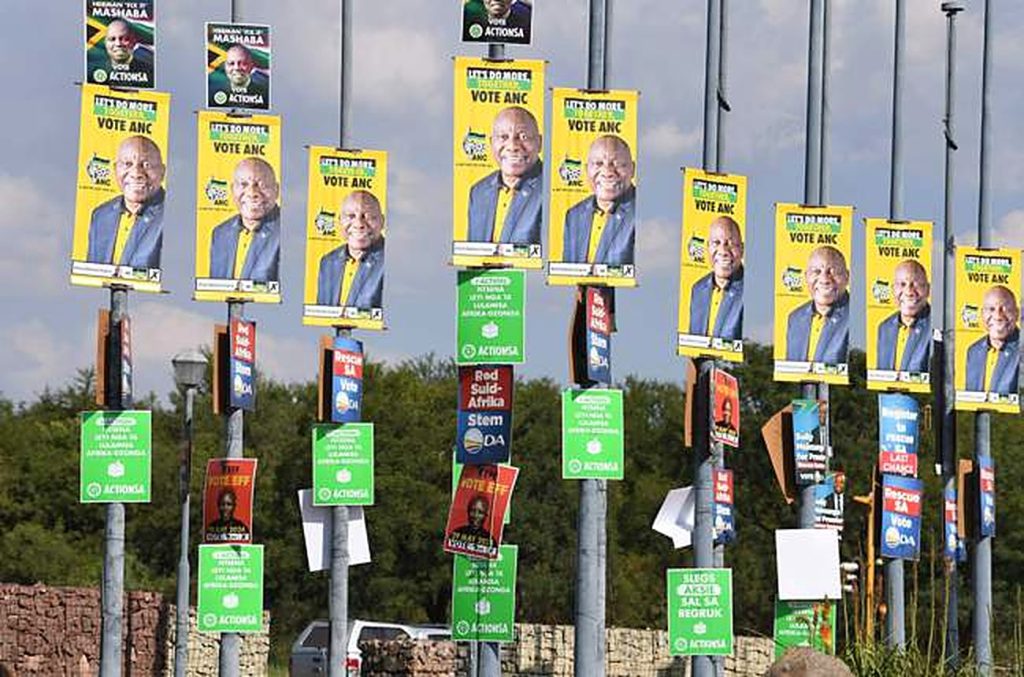
The reasons for this disengagement are complex. It would be intellectually dishonest to attribute the decline solely to political apathy or a lack of appreciation for democracy.
For many South Africans, staying away from the polls is an expression of frustration with unemployment, poverty, inequality, corruption and poor service delivery. Others have lost confidence in political leadership and no longer believe that changing the composition of government will necessarily improve their economic and social circumstances.
There are also practical barriers, including difficulties with voter registration, access to polling stations, transport and inadequate civic education.
Government and political parties must therefore understand that declining turnout is not merely an administrative challenge for the electoral system. It is also a reflection of the wider relationship between the state and its citizens.
Should voting become a civic obligation?
The introduction of compulsory voting legislation is one possible response to declining participation.
Under such a system, eligible citizens would be legally required to participate in national, provincial and municipal elections. Those who failed to do so without a valid reason could face administrative or other penalties prescribed by law.
The argument is that democracy is not only about enjoying constitutional rights. It also involves accepting civic responsibilities.
Citizens benefit from democratic institutions, public services and constitutional protections. It is therefore reasonable to debate whether participating in the selection of those entrusted with public authority should be regarded as a basic civic duty.
Compulsory voting is not an unfamiliar concept in established democracies. Australia introduced compulsory voting for federal elections in 1924. Belgium and Argentina also have compulsory voting systems.
These countries offer useful lessons for South Africa as it considers whether mandatory participation could improve turnout and make electoral outcomes more representative of the electorate.
ALSO READ: Ramaphosa urges voters to help rebuild failing municipalities in Wednesday’s elections
However, compulsory voting must never be confused with compulsory political support.
No citizen should be forced to support a particular political party, candidate or ideology. The obligation would be to participate in the electoral process, not to surrender political freedom. Voters must retain the right to choose any party or independent candidate, or to express dissatisfaction through a recognised blank or protest ballot where the electoral system provides for it.
The objective should be to strengthen participation, not manufacture political loyalty.
The constitutional questions cannot be ignored
Any proposal to make voting compulsory would require careful constitutional and legislative consideration.
Section 19 of the Constitution guarantees every citizen the right to make political choices, participate in elections and vote in free and fair elections. It also protects the right to vote in secret.
A law imposing compulsory voting, particularly one providing for penalties for non-compliance, would need to be tested against these constitutional protections. Any limitation of rights would have to meet the requirements of Section 36 of the Constitution, which governs the limitation of rights.
The legislation would also need to make provision for people who are unable to vote because of illness, disability, unavoidable absence or other legitimate circumstances. It would be unfair to penalise citizens who face genuine barriers to participation.
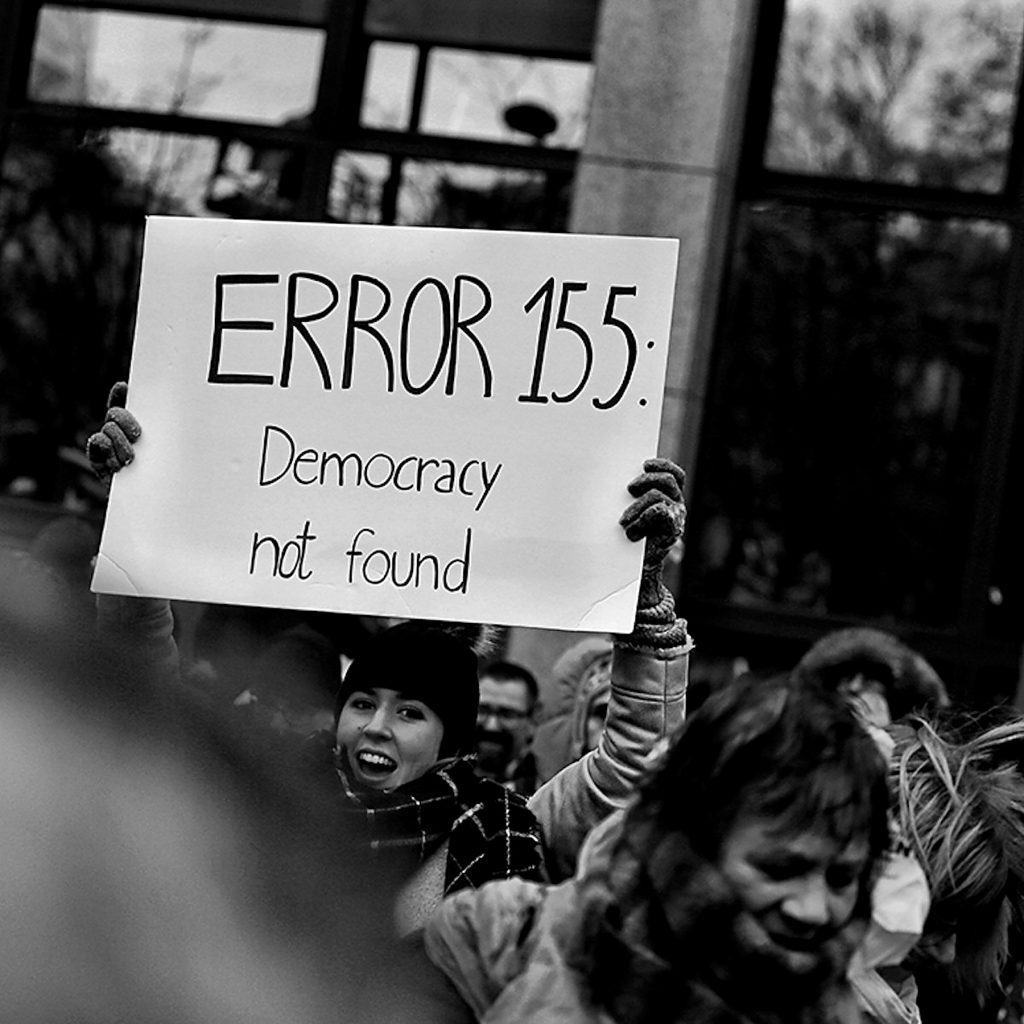
Accessibility would be equally important. Government would have to ensure that registration and voting arrangements do not disadvantage people in rural communities, people with disabilities or those who cannot easily reach polling stations.
Compulsory voting may increase the number of people who turn up at polling stations. But the constitutional and practical implications must be properly considered before such a system is introduced.
Compulsion cannot restore public trust
There is an important distinction between getting people to vote and giving them a reason to believe that their vote matters.
A law may compel citizens to attend polling stations, but it cannot force them to trust political leaders, believe government policies will work or feel represented by the institutions they are asked to support.
This is where government and political parties must take greater responsibility.
Political leaders cannot engage with communities only when they need votes. Citizens should be involved continuously in policy development, local planning and oversight of service delivery. They must have meaningful opportunities to question elected representatives and hold them accountable.
Civic education also needs to become a stronger part of our national development agenda. Schools, higher education institutions, the Department of Basic Education and the IEC should work together to help young people understand their democratic rights and responsibilities.
The objective should be to develop citizens who are informed, confident and willing to participate in public life, not simply voters who appear at polling stations every few years.
Service delivery is central to democratic legitimacy
The credibility of elections is closely connected to the performance of democratic institutions.
For many citizens, democracy is experienced not through political speeches or election campaigns, but through the everyday realities of their communities. They see unemployment, potholes, corruption, unreliable water supplies, poor municipal services and failing infrastructure.
When people repeatedly experience government failure, they can begin to question whether participating in elections makes any difference.
This is particularly evident at local government level, where the relationship between political representation and service delivery is most immediate.
ALSO READ: Participation In Elections Without Understanding Reflects ‘Democracy On Autopilot’
Municipalities should demonstrate the practical value of democracy by providing reliable water, maintaining roads, ensuring effective waste collection, strengthening energy infrastructure and managing public finances responsibly.
Political legitimacy is not secured once an election has been won. It must be renewed through accountability, ethical leadership and measurable improvements in people’s lives.
If citizens can see that their participation leads to responsive government, they are more likely to remain engaged in the democratic process.
Young people must see themselves in democracy
The growing distance between young people and established political institutions deserves particular attention.
It is unreasonable to expect young people to participate enthusiastically in electoral politics when their most pressing concerns, including unemployment, access to education, entrepreneurship, housing and economic opportunity, appear to receive inadequate attention.
Young people must be given meaningful opportunities to contribute to public policy, participate in local development planning and hold political leaders accountable.
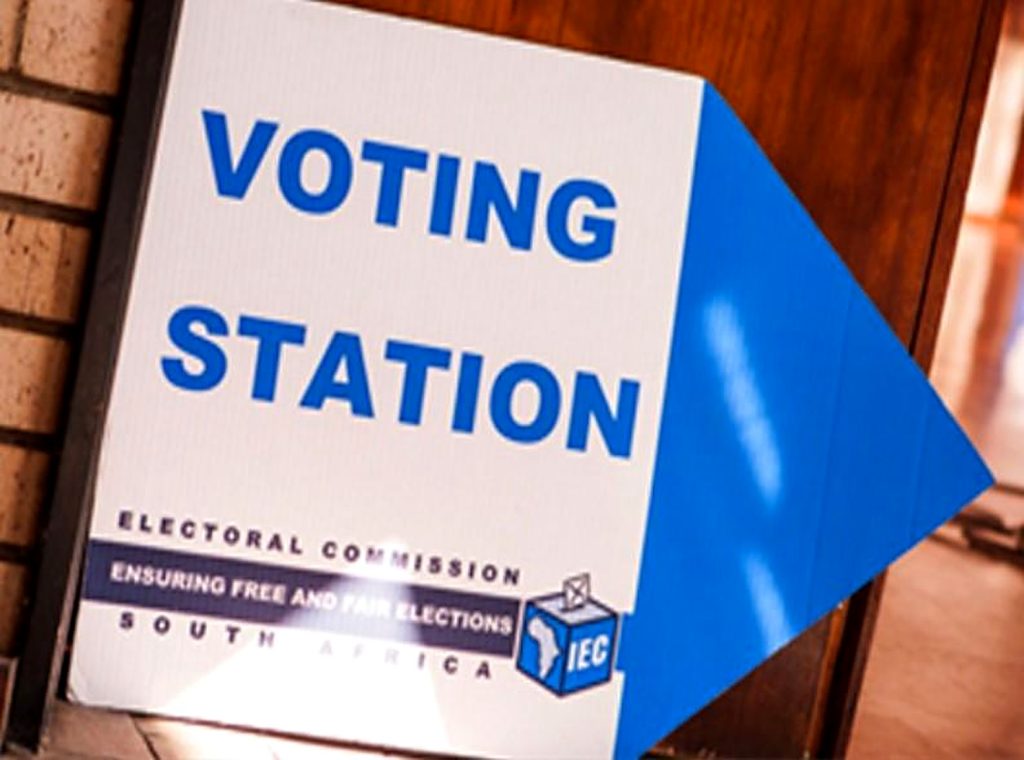
Political parties also have a responsibility to rethink how they engage with younger generations. This means creating credible pathways into leadership, strengthening internal democracy and opening political structures to new ideas and new voices.
Declining youth turnout should not automatically be interpreted as a rejection of democracy. It may instead reflect dissatisfaction with the existing forms of political representation.
Electoral reform must therefore go hand in hand with broader political, economic and social change.
A national conversation, not a quick legislative fix
South Africa needs an honest national conversation about whether voting should remain entirely voluntary or whether compulsory participation should be introduced.
Compulsory voting, supported by proportionate penalties for unjustified non-participation, deserves consideration as one possible response to declining turnout. However, criminalising non-participation should be approached cautiously and treated as a last resort, rather than a substitute for civic education, accessible elections and responsible governance.
The experience of countries with compulsory voting shows that legal obligations and democratic choice can coexist. It does not, however, prove that compulsory voting alone can resolve political disillusionment or restore public confidence.
South Africa needs a broader strategy that combines electoral participation with constitutional safeguards, stronger democratic institutions, civic education, accountable leadership and improved service delivery.
The generation that fought for democracy understood that the right to vote meant much more than placing a mark on a ballot paper. It represented the power to influence the direction of the country and participate in building a better future.
That responsibility should not be underestimated. Equally, those entrusted with political power must understand that citizens’ willingness to participate depends on leadership that demonstrates integrity, accountability and measurable progress.
Ultimately, sustaining South African democracy is about more than getting people to vote. It is about ensuring they believe their participation counts.
Government has a dual responsibility: to encourage and facilitate the participation of every eligible citizen, while ensuring that democratic institutions remain worthy of public trust.
Democracy cannot be reduced to an event that takes place once every five years. It must be a continuous relationship between citizens and the people they elect to represent them.
Cabanga Maluleka is a senior manager in the Office of the MEC at the Mpumalanga Department of Economic Development and Tourism. He holds a master’s degree and is a PhD candidate. He is a member of the Black Management Forum (BMF) and the South African Public Administration Association and Management (SAPAAM), and regional chairperson of the ANC Youth League in the Ehlanzeni Region, Mpumalanga. He writes in his personal capacity.