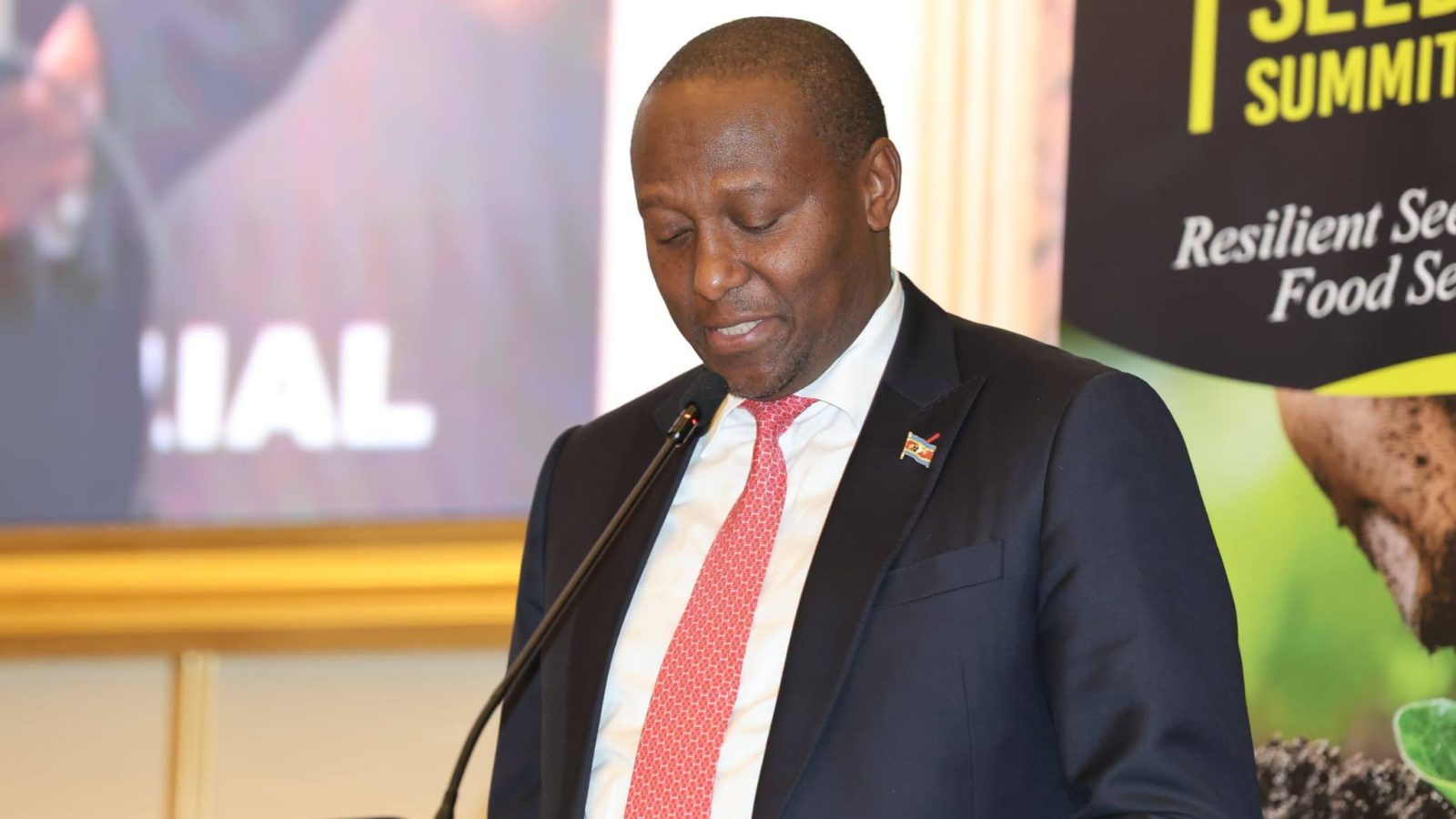
EZULWINI – Prime Minister Russell Mmiso Dlamini has urged African governments to translate the newly adopted Ezulwini Declaration on Seed Sovereignty and Resilience into laws, budgets and institutions, warning that political independence means little without the ability to feed their people.
Closing the inaugural Africa Seed Summit at the Ezulwini Palazzo International Convention Centre on Wednesday, Dlamini said control over seed resources was central to food security, livelihoods and national sovereignty.
“A continent cannot speak convincingly of sovereignty if it cannot feed its people,” he said. “A nation cannot be truly secure if the foundation of its food system lies beyond its control.”
His message placed responsibility on governments to turn the summit’s commitments into practical support for farmers, stronger research institutions and the protection of Africa’s crop diversity.
Turning commitments into policy
The three-day summit, hosted by Eswatini and the African Union from 5 to 7 October, brought together ministers, researchers, seed companies, farmers’ representatives and development partners.
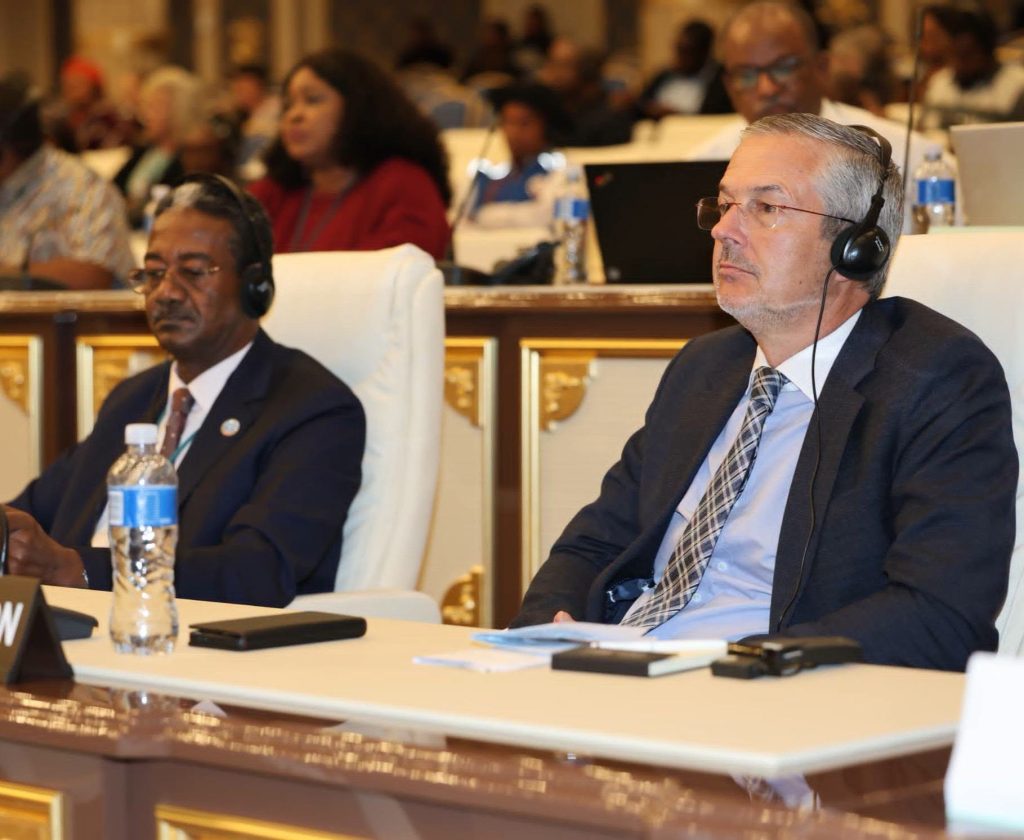
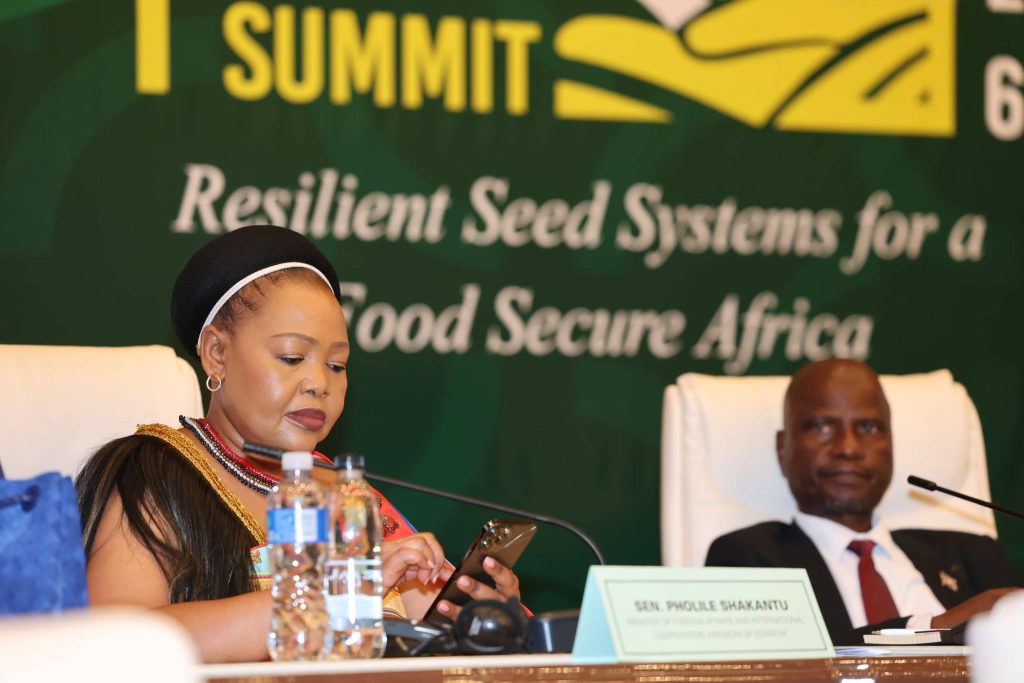
Held under the theme “Resilient Seed Systems for a Food Secure Africa”, it considered how the continent could strengthen seed production, conservation and access.
Organisers proposed mobilising at least US$1 billion for African seed systems between 2026 and 2035. The African Union has also proposed a continental seed and genetic resources bank, supported by regional and national institutions, to conserve indigenous crops and traditional farmer varieties.
AU Commissioner for Agriculture, Rural Development, Blue Economy and Sustainable Environment Moses Vilakati described the proposed system as “Africa’s collective insurance policy against the loss of biodiversity and genetic resources”, according to Eswatini Positive News.
Dlamini said the declaration’s value would depend on what governments did after returning home.
ALSO READ: Eswatini and Mozambique push implementation as consular services move closer to Mozambicans
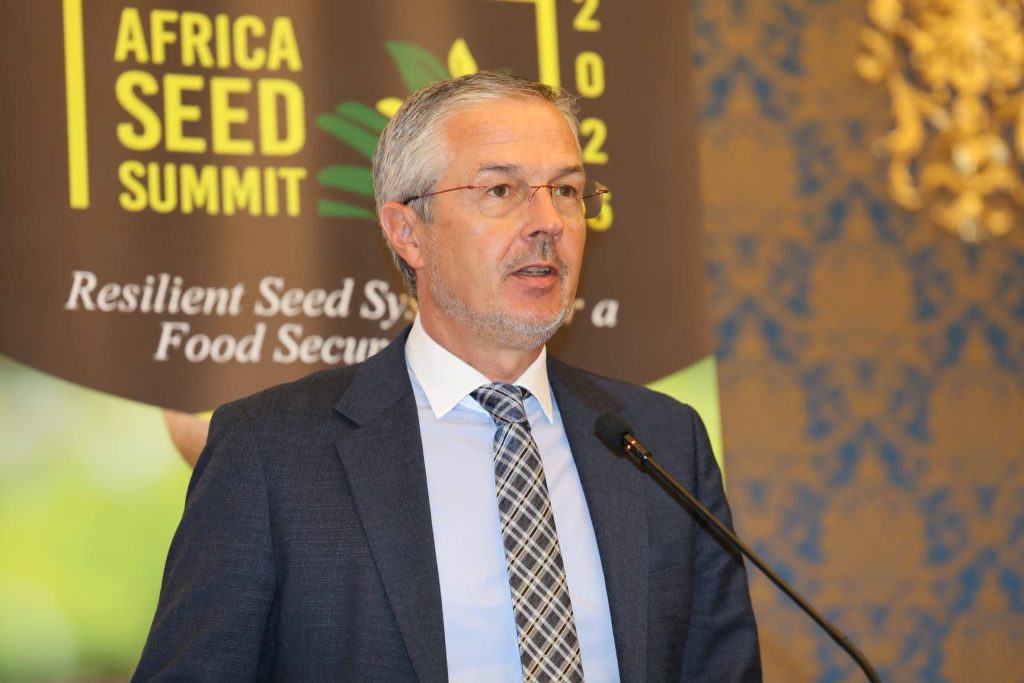
“It is my earnest hope that the Ezulwini Declaration on Seed Sovereignty and Resilience will ignite a vibrant continental movement to preserve, protect, multiply and responsibly improve Africa’s seed heritage,” he said.
Protecting farmers’ access to seed
A central concern in Dlamini’s address was ensuring that agricultural modernisation protects farmers’ access to the seed on which their livelihoods depend.
Across Africa, many smallholder farmers rely on seed saved from previous harvests, exchanged within their communities or purchased locally. Dlamini called for these systems and the crop varieties they preserve to remain part of the continent’s agricultural future.
“Africa must defend a fundamental principle: African seed must remain accessible to the African farmer, and Africa must retain sovereign capacity over the genetic resources upon which its food security depends,” he said.
He urged governments to strengthen seed banks, conserve indigenous varieties and give farmers a role in protecting Africa’s agricultural heritage.
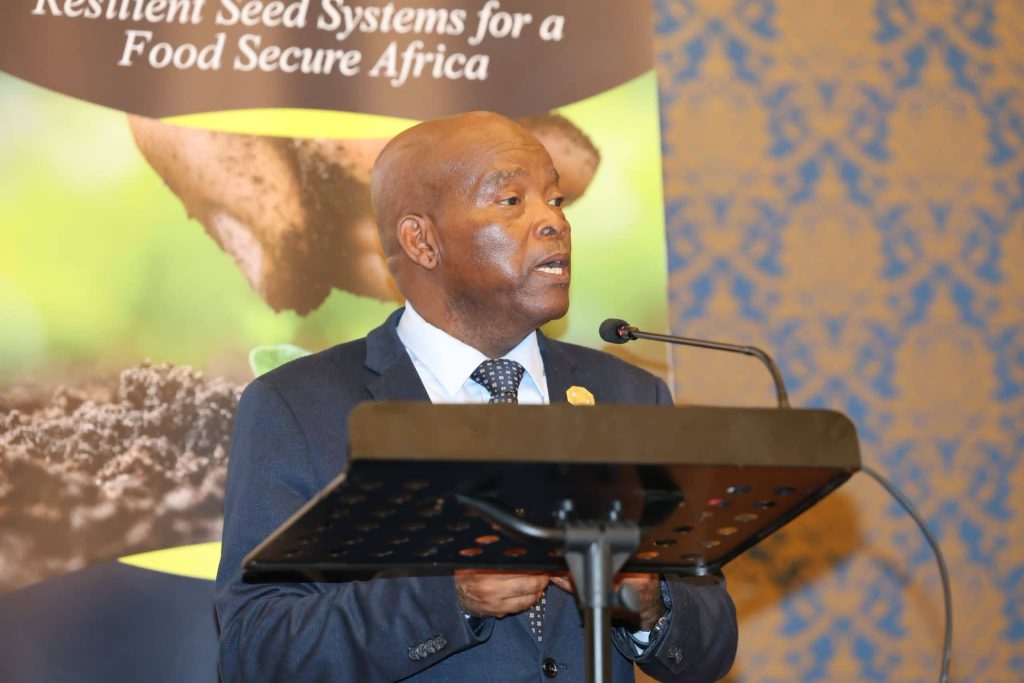
“We must therefore strengthen national, regional and continental seed banks, conserve indigenous varieties, support community seed systems, invest in African agricultural research, and ensure that farmers participate in preserving this heritage.”
Research and technology must serve farmers
Dlamini also called for greater investment in agricultural science, including biotechnology, laboratories and universities.
He argued that protecting traditional seed resources should go hand in hand with developing the knowledge and technology needed to improve agriculture.
“Africa must embrace science and technology. We need stronger agricultural research, better laboratories, stronger universities and greater investment in biotechnology,” he said.
ALSO READ: Eswatini eyes nuclear reactors as kingdom expands push for energy security
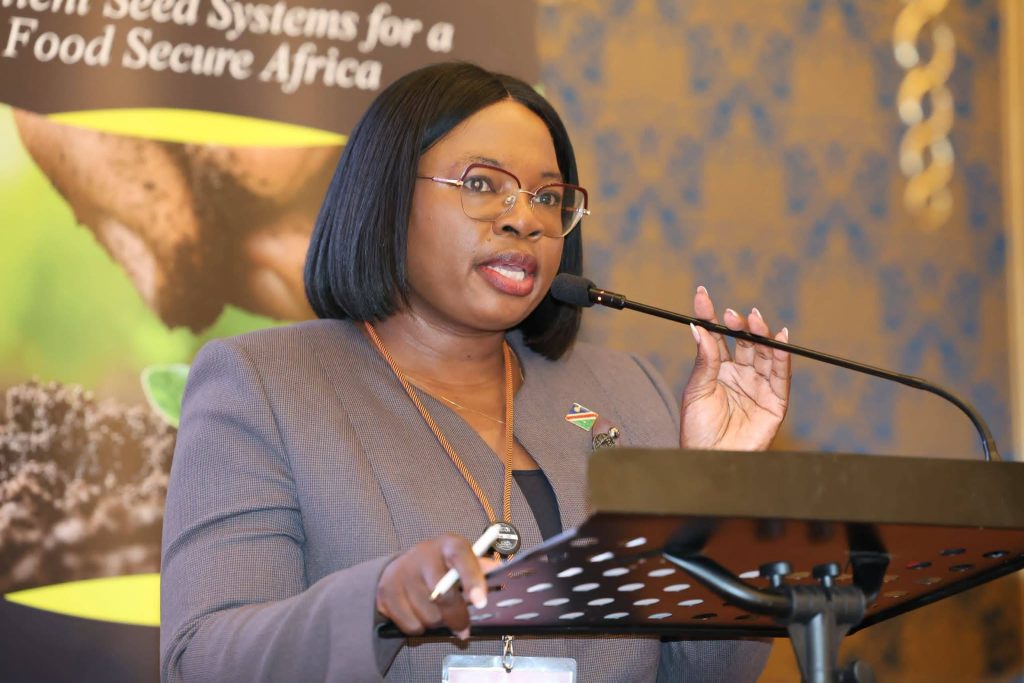
“But technology must remain the servant of humanity and never become its master.”
His remarks highlighted the need to ensure that scientific advances respond to farmers’ needs and contribute to food security.
Linking food security and African sovereignty
Dlamini drew a connection between the new declaration and the Ezulwini Consensus, the African Union’s common position on reforming the United Nations Security Council.
Adopted in 2005, the consensus calls for Africa to have at least two permanent seats with veto power and five non-permanent seats on the council.
“The Ezulwini Consensus spoke to Africa’s voice in the security of the world. May the Ezulwini Declaration speak to Africa’s determination to secure the food, health and future of its own people,” he said.
“Let Ezulwini become synonymous not only with Africa asserting its rightful place in global governance, but also with Africa taking responsibility for its own food security.”
He closed by challenging leaders to move beyond describing Africa’s potential and focus on delivering results.
“Africa’s future is bright, but that future must be deliberately built. We must cease thinking of Africa merely as a continent of potential,” he said.
“Potential must become production. Resources must become prosperity. Land must produce food. Knowledge must become technology. And sovereignty must become responsibility.”