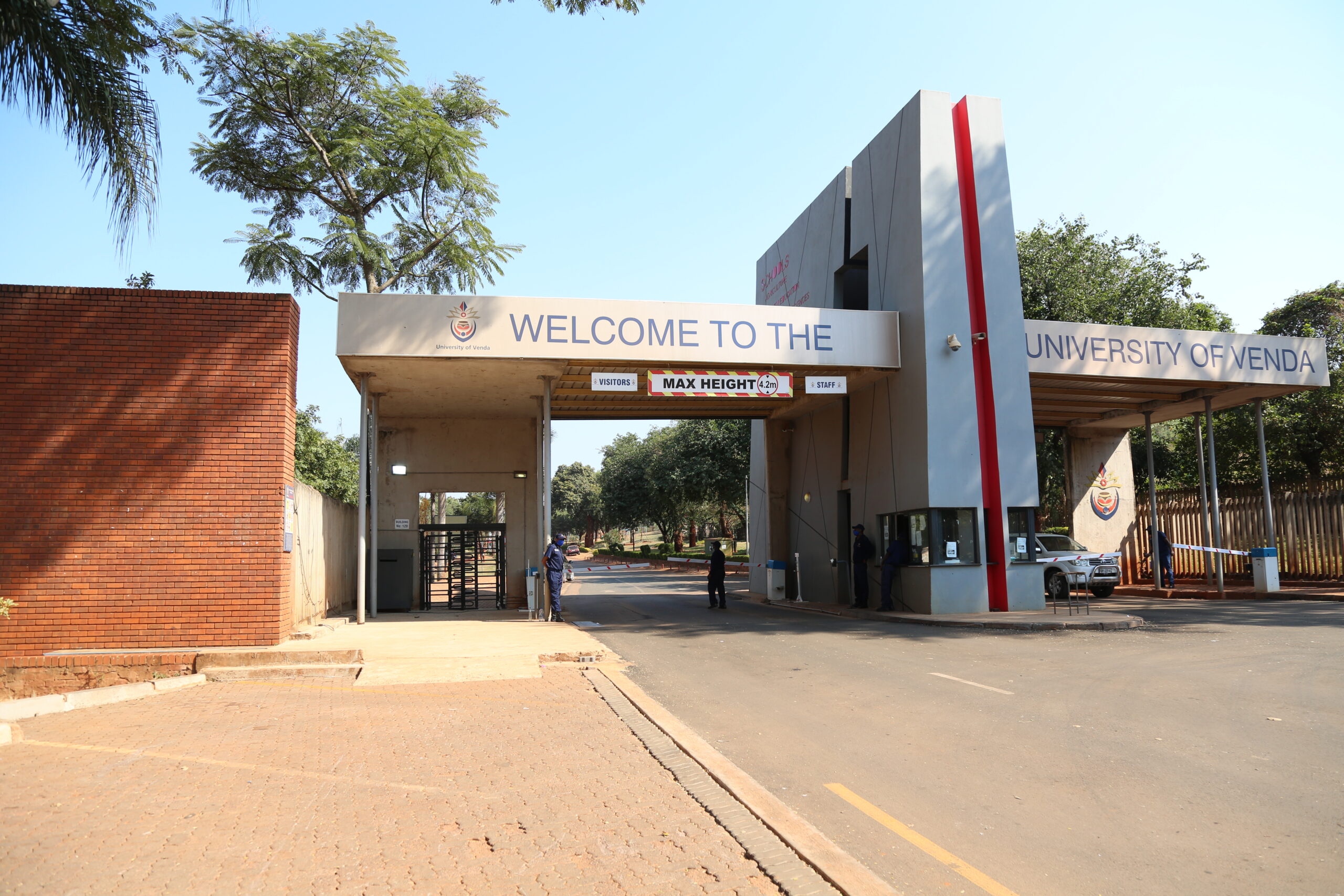
JOHANNESBURG – The governance crisis at the University of Venda (Univen) deepened dramatically this week after Higher Education and Training Minister Buti Manamela initiated steps to place the institution under independent investigation, just one day after the university’s Council suspended Vice-Chancellor and Principal Professor Bernard Nthambeleni and Chief Operating Officer Botwe Kraziya.
The suspensions, described by Council as precautionary, follow allegations of corruption, maladministration and nepotism. The Minister’s intervention now signals growing concern that the university’s governance structures may no longer be capable of resolving the crisis internally.
The developments represent one of the most significant governance interventions at a South African public university in recent years and follow allegations first reported by IOL, which revealed how the cost of Univen’s Main Administration Building project escalated from R64 million to a projected R163.2 million amid claims of procurement irregularities and weak oversight.
Council suspends top executives
In a letter dated 20 July 2026 to staff and students, Council chairperson Rudzani Mushweu confirmed that Council had resolved, during its meeting on 16 July, to place Nthambeleni and Kraziya on immediate precautionary suspension pending the outcome of an independent forensic investigation.
According to the letter, the decision followed the receipt of an anonymous complaint alleging corruption, maladministration and nepotism.
READ MORE: UFH Vice-Chancellor Placed on Precautionary Suspension Pending Disciplinary Process
Council stressed that the suspensions are administrative measures intended to safeguard the integrity of the investigation and should not be interpreted as findings of misconduct.
“The precautionary suspension is not a finding of guilt,” Mushweu said, urging staff and students to refrain from speculation while the investigation is underway.
Council also said it would urgently meet to appoint interim leadership to ensure the university continues to operate without disruption.
Minister initiates intervention
Less than 24 hours after the suspensions were announced, Manamela confirmed that his department would begin the statutory process to appoint an Independent Assessor in terms of Section 44(1) of the Higher Education Act.
The Minister said he had first met with Univen’s executive management and Council on 5 June after receiving anonymous allegations against the Vice-Chancellor and Chief Operating Officer. At the time, the parties agreed that the matter would be addressed through the university’s internal governance structures rather than through litigation, with Council expected to report back on progress.
According to the Ministry, those efforts have failed.
Instead of stabilising the institution, the situation has escalated, culminating in the suspension of the university’s two most senior executives.
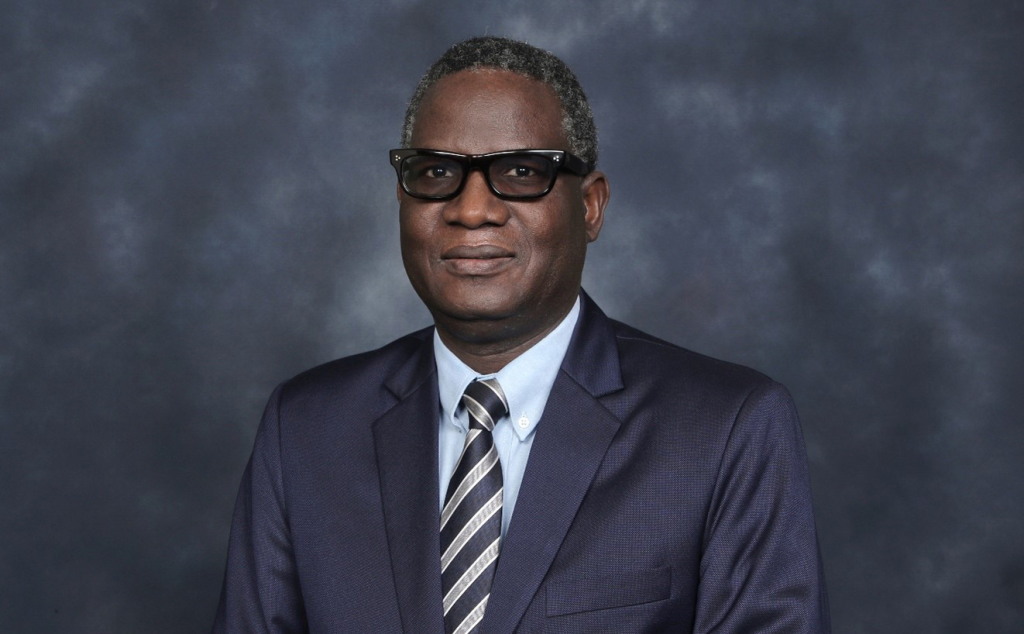
“The continued instability risks undermining the university’s ability to fulfil its mandate of providing quality teaching and learning,” Manamela said.
Should the appointment proceed, the Independent Assessor will have broad powers to investigate not only the allegations against university executives but also the overall effectiveness of Univen’s governance, management and administrative systems.
Council has been given 14 days to submit representations before the Minister makes a final decision.
The Ministry has appealed for the statutory process to unfold without interference or unnecessary speculation while assuring students and staff that measures will be taken to protect the university’s academic programme.
Allegations that triggered the crisis
The Minister’s intervention follows weeks of mounting scrutiny over governance failures at the institution.
An anonymous whistleblower letter sent in April to the Minister and Council alleged that governance controls had been systematically undermined over several years, creating an environment where accountability had weakened, and staff were reluctant to speak out.
Central to the allegations is the university’s Main Administration Building project.
Internal records indicate that a proposed budget increase of approximately R43.6 million had already been identified in September 2023 but was never formally approved through the university’s governance structures.
READ MORE: Canadian Universities Aim to Attract Top Global Scholars With Funding Boost
By September 2025, university documents acknowledged that substantial increases had proceeded without the approvals ordinarily required from the Executive Management Committee (EMC), Executive Committee (EXCO) and Council.
The university subsequently sought retrospective approval for an additional R53.2 million, pushing the total projected cost of the project to R163.2 million, more than two-and-a-half times its original R64 million budget.
Internal reports cited several governance shortcomings, including expenditure that bypassed established approval processes, inconsistent change-control procedures, incomplete financial records, weak oversight and unclear accountability among project managers.
Procurement and governance concerns
The whistleblower also questioned the appointment of infrastructure consultant Simeshi “Sue” Govender, who was allegedly appointed by the Vice-Chancellor as an infrastructure adviser at a monthly fee of R382,000, excluding travel expenses, without a competitive procurement process.
According to the allegations, Govender exercised significant influence over infrastructure decisions and procurement, with claims that service providers from KwaZulu-Natal were favoured while normal procurement procedures were bypassed through approvals by the Vice-Chancellor and Chief Operating Officer.
Separate allegations were levelled against Kraziya, including claims that he occupied university-owned accommodation, used university vehicles for private purposes and had access to a university credit card.
While an internal fleet audit did not substantiate every allegation, it reportedly identified irregular use of university vehicles, including an Audi A6 valued at more than R710,000 that was allegedly being driven by an individual who was not employed by the university when it was involved in an accident.
The whistleblower further questioned whether the position of Chief Operating Officer is recognised in the university’s statute, raising concerns about the legality of the appointment. The African Chronicle has not independently verified that claim.
Beyond the financial allegations, the dossier described what it characterised as a culture of intimidation within the institution, alleging that staff and student leaders who challenged management were marginalised. It also referred to the dismissal of a NEHAWU shop steward, a decision later overturned by the courts.
University previously declined to comment
When approached by IOL in June, the university and Council declined to respond to the specific allegations, saying only that the matters were receiving attention through the institution’s governance processes.
Nthambeleni, Kraziya and Govender did not respond to detailed questions submitted at the time.
Univen now faces multiple investigations.
Council’s independent forensic investigation is already underway, while the proposed ministerial assessment could result in a far broader examination of the university’s governance systems and institutional leadership.
Neither Council nor the university has disclosed the identity of the forensic investigators, the scope of their mandate or when their findings are expected.
Similarly, the Department of Higher Education and Training has not indicated when a decision on appointing the Independent Assessor will be made beyond the 14-day consultation period.
For an institution that has long positioned itself as a centre for developing future leaders, the unfolding crisis has instead placed its own leadership under unprecedented scrutiny. With both its Vice-Chancellor and Chief Operating Officer suspended and the national government preparing to intervene, Univen now faces one of the most consequential governance tests in its history.