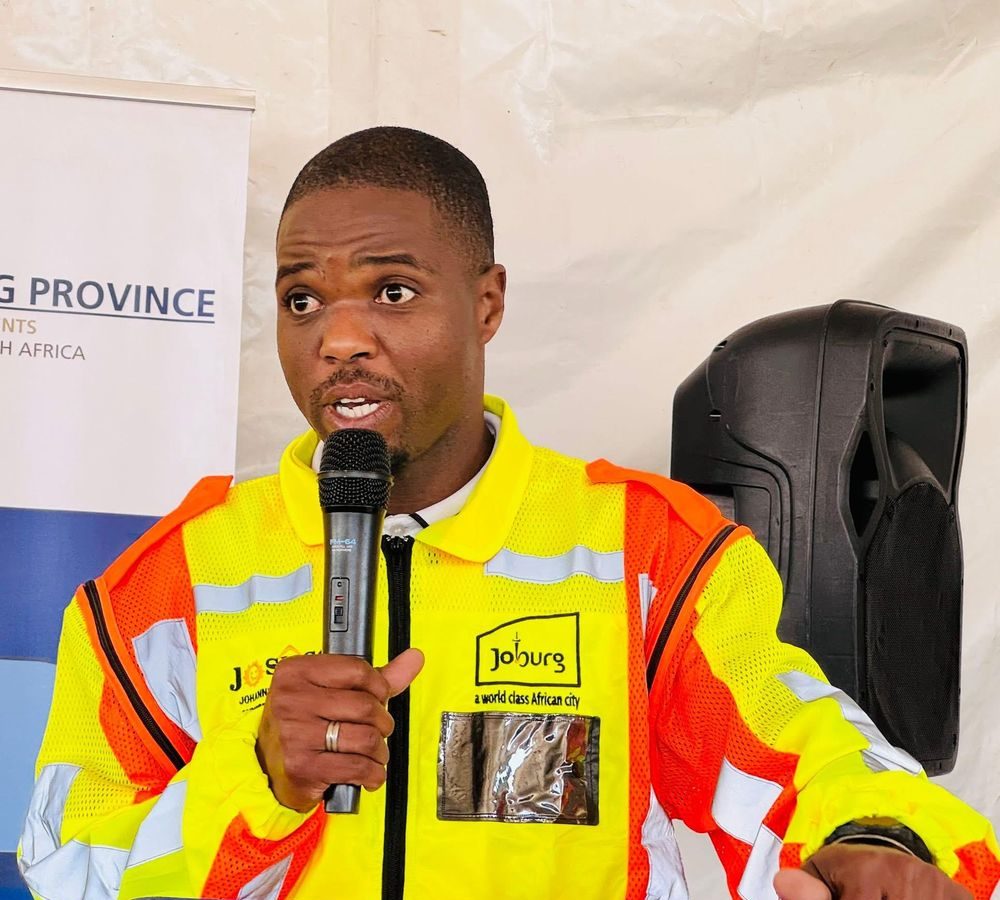
JOHANNESBURG: Inkatha Freedom Party (IFP) mayoral candidate Mlungisi Mabaso has urged Johannesburg voters to judge his party on housing initiatives already approved by the council, warning that a change in administration could disrupt their implementation.
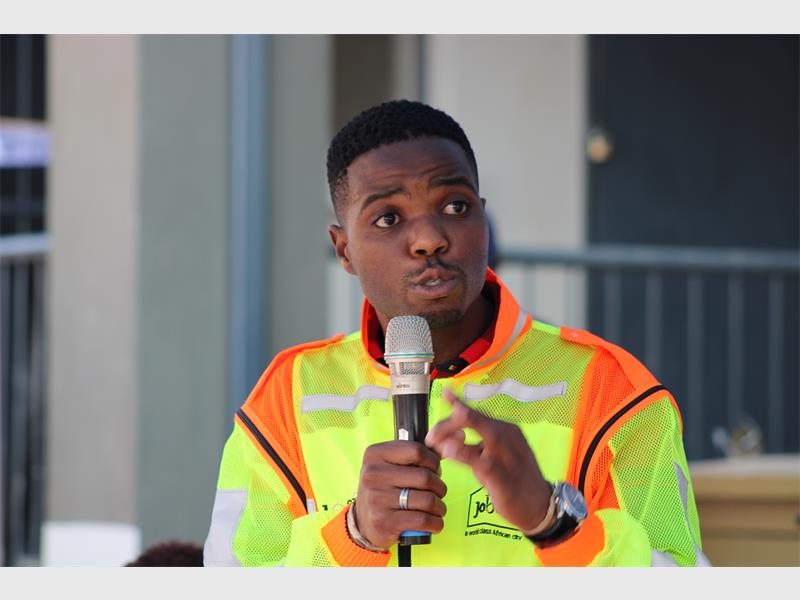
Speaking at a campaign event in Johannesburg on Wednesday, Mabaso, the city’s Member of the Mayoral Committee (MMC) for Human Settlements, placed his department’s work at the centre of his campaign ahead of the 4 November local government elections.
He highlighted plans to formalise informal settlements, appoint a dedicated programme manager and work with private developers to build social housing and Breaking New Ground (BNG) homes, which are government-subsidised houses for low-income families.
Mabaso argued that keeping the IFP in government would help sustain these initiatives.
“If the majority do not turn out to vote and keep the IFP in government, there is a genuine risk that our ongoing housing and municipal initiatives could be halted by administrations that may have different priorities,” he said.
Housing backlog tests the city
Mabaso is campaigning from within the administration he hopes to lead, with responsibility for one of Johannesburg’s most persistent challenges.
In February, he said about half a million people were on the city’s housing waiting list, excluding residents of informal settlements and hostels, EWN reported.
His department said its current projects could accommodate about 70% of those on the list, with major developments planned to house 350,000 residents.
“We have southern farms in region G with the possible yield of 43,000 housing opportunities,” Mabaso said at the time.
Executive Mayor Dada Morero acknowledged the growing pressure in his State of the City Address in May.
ALSO READ: Joburg’s biggest voting bloc is the one that stays home
“Informal settlements are increasing in the city,” Morero said, adding that illegal land invasions were delaying development.
“When land is hijacked, development is set back by 10 years.”
For Mabaso, the campaign connects his current responsibilities with a personal history of hostel living. Daily Maverick reported that he lived at Jabulani Hostel in Soweto during his school years.
The national secretary of the IFP Youth Brigade is the party’s first mayoral candidate in Johannesburg. He is campaigning on its 10-point rescue plan for the city.
“The rescue of Johannesburg must be driven by three non-negotiable principles: jobs, order and dignity,” he told Daily Maverick in June.
IFP keeps coalition options open
Although the IFP wants to govern independently, Mabaso said it was prepared to negotiate a coalition if no party secured an outright majority.
He pointed to the party’s experience of working with the EFF, ANC and DA.
Coalition negotiations could again prove decisive in Johannesburg, where repeated changes in political leadership have complicated efforts to maintain continuity.
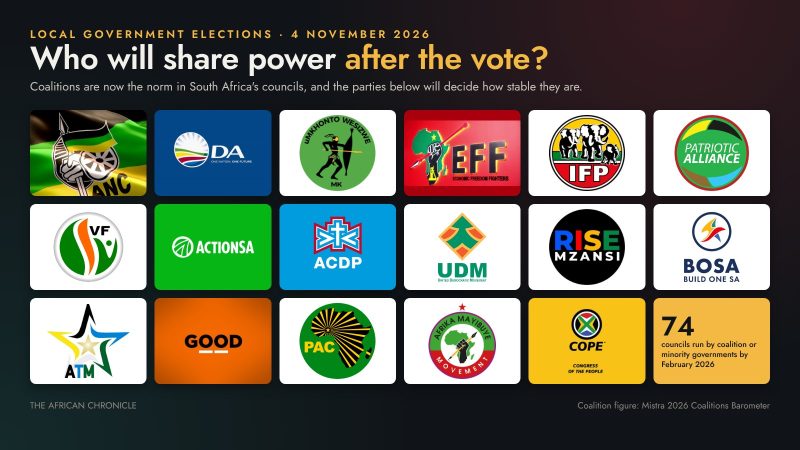
The city went through six administrations between the 2021 elections and February 2026, according to the Mapungubwe Institute for Strategic Reflection’s (Mistra) 2026 Coalitions Barometer. That was the joint-highest number among the municipalities studied.
Nationally, 74 municipalities were operating under coalition or minority arrangements by early 2026, compared with 37 after the 2011 elections.
Political analyst and Wits University professor emeritus Susan Booysen has projected a further increase after the elections, including a rise in coalition-run metros from five to seven.
ALSO READ: The kingmakers’ elections: What the world should watch on 4 November
Stable agreements will be crucial
Analysts say coalition partners need more than enough votes to elect a mayor. They must also agree on a governing programme and sustain the cooperation needed to deliver services.
“Successful coalitions are those that approve budgets timely, adhere to the municipal calendar, and ensure consistent administrative oversight,” said Mielani Oleny, a local governance expert and chief adviser at Ndebele Consulting.
Mistra’s findings underline the importance of how governing partnerships are assembled. Coalitions that excluded the largest party in a council collapsed at about four times the rate of those that included it.
Proposed legislation intended to stabilise coalition governments is not expected to be passed before the elections.
The Municipal Structures Amendment Bill would make coalition agreements binding and restrict motions of no confidence. Incoming councils will therefore begin their terms without those proposed safeguards in place.
For Mabaso, that uncertainty is central to his appeal for continuity. However, whether the IFP remains in government will depend on both its electoral support and any agreements reached after the vote.
A crowded contest for Johannesburg
Mabaso faces a competitive field of more than 10 mayoral candidates.
They include the DA’s Helen Zille, ActionSA’s Herman Mashaba, the EFF’s Dr Tlaleng Mofokeng, the Patriotic Alliance’s Kenny Kunene, the MK Party’s Bongani Baloyi, RISE Mzansi’s Lukhona Mnguni and BOSA’s Nobantu Hlazo-Webster.
The election results will determine each party’s strength in the council, where councillors will elect the mayor.
For residents awaiting housing and reliable water and electricity, the test will be whether the next administration can turn approved plans into completed projects and maintain services through the political negotiations that follow.