The South African Police Service (SAPS) is in open crisis. With the suspension of Lieutenant General Shadrack Sibiya last week and the imminent start of the Madlanga Commission on September 17, the country’s premier law enforcement agency faces its harshest public reckoning since the Marikana tragedy.
At stake is not only the fate of three of the service’s most powerful men, National Commissioner General Fannie Masemola, Lieutenant General Shadrack Sibiya, and KwaZulu-Natal Provincial Commissioner Lieutenant General Nhlanhla Mkhwanazi but also whether SAPS can recover from years of factional warfare, nepotism, and political interference that have left South Africans dangerously exposed to crime.
On September 11, General Masemola signed off on a suspension letter that stripped Sibiya of his badge, firearm, access card, and authority. The charges against him are damning: mishandling political killings dockets, defeating the ends of justice, and acting dishonestly by ignoring instructions.
The documents accuse Sibiya of ordering more than 120 dockets from KwaZulu-Natal’s Political Killings Task Team to be withdrawn and centralised under national detectives, an act that allegedly crippled sensitive investigations. Masemola’s letter claims the transfers happened without his knowledge or approval.
“You are alleged to have committed acts of misconduct which detrimentally affect the image of the South African Police Service,” the suspension letter reads.
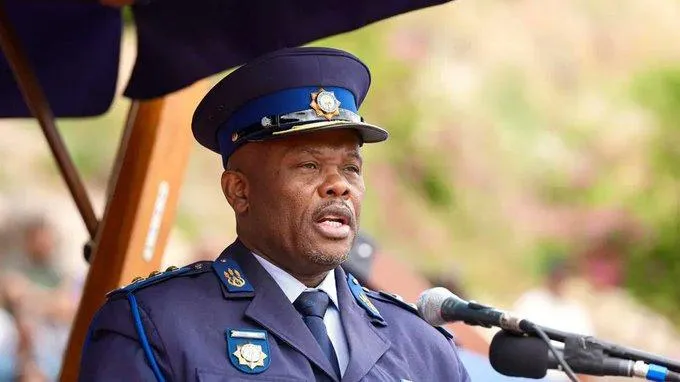
Sibiya rejects the allegations. He insists he acted on clear instructions and that his team had begun making progress on cases long stalled in KwaZulu-Natal. “The files were in KZN for over eight years with very little movement but were demanded back after only four months of being at the national level. That should tell you something,” a SAPS insider said.
Supporters say the suspension is retaliation for Sibiya’s growing influence and his pursuit of politically connected suspects. Critics accuse him of ambition and running Crime Intelligence like his personal empire.
Days before his suspension, Sibiya suffered a legal setback. The Gauteng High Court dismissed his urgent application to return to work after Masemola ordered him to “stay at home” pending investigations. Judge Norman Davis ruled the order was lawful, describing Sibiya’s claim of a disguised suspension as “a self-constructed right.”
That judgment paved the way for Masemola to escalate from “stay at home” to full suspension.
The fallout now shifts to the Madlanga Commission, chaired by retired Constitutional Court Justice Mbuyiseli Madlanga. Appointed by President Cyril Ramaphosa, the inquiry has six months to investigate:
- Allegations of nepotism and irregular promotions.
- Political interference in policing.
- The collapse of the Political Killings Task Team.
- The use and abuse of Crime Intelligence.
- Conduct of Masemola, Sibiya, Mkhwanazi, and Police Minister Senzo Mchunu.
Hearings will be public, with whistleblowers and generals called to testify.
Masemola, appointed in 2022 to steady SAPS after Khehla Sitole’s removal, was meant to restore stability. Instead, he faces allegations that his office has become a family business. Leaked documents and whistleblower statements point to the appointment of his daughter-in-law, niece, daughter, and other associates under questionable circumstances, with vetting and competitive processes allegedly bypassed.
Critics say morale has collapsed as merit takes a back seat to loyalty. “If family connections become the currency of promotion, professionalism dies,” said one senior officer.
Masemola also faces accusations of shelving sensitive corruption cases. He denies wrongdoing.
Once a star Hawks investigator, Sibiya’s career has always been polarised. Cleared of the “Zimbabwe renditions” scandal, he returned to prominence as Crime Intelligence head, positioning himself as a corruption-buster.
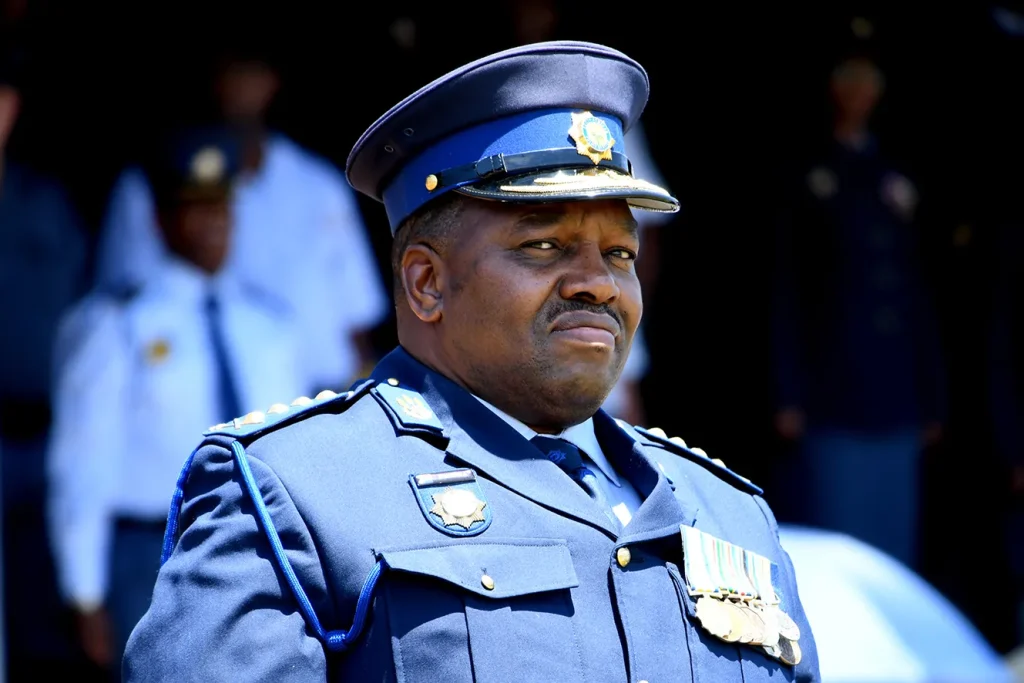
But detractors say his methods are factional and self-serving. Leaks, selective intelligence briefings, and political alignments, they argue, have made him both feared and distrusted. “The real question is whether his corruption fight is genuine or just a weapon in a bigger campaign,” a source close to the matter said.
Lieutenant General Nhlanhla Mkhwanazi, a perennial outsider, has once again cast himself as the whistleblower. In July, he accused Police Minister Senzo Mchunu of:
- Interfering in KZN policing.
- Shielding politically connected suspects.
- Confiscating 121 political killings dockets to protect allies.
The bombshell forced Ramaphosa to suspend Mchunu.
Yet Mkhwanazi himself faces scrutiny. He has been accused of brutality during protests, political bias in appointments, and fraternising with figures later implicated in political killings. “He paints himself as incorruptible, but his record tells a more complicated story,” one officer observed.
The stakes are existential. South Africa faces one of the world’s highest murder rates, rampant gender-based violence, and a wave of political assassinations, especially in KwaZulu-Natal, where 52 councillors and over 100 municipal officials have been killed since 2019.
Instead of uniting against crime, SAPS’s generals are at war with each other. Parliament’s police committee has labelled the service “dysfunctional.” Analysts warn that criminals thrive in the vacuum.
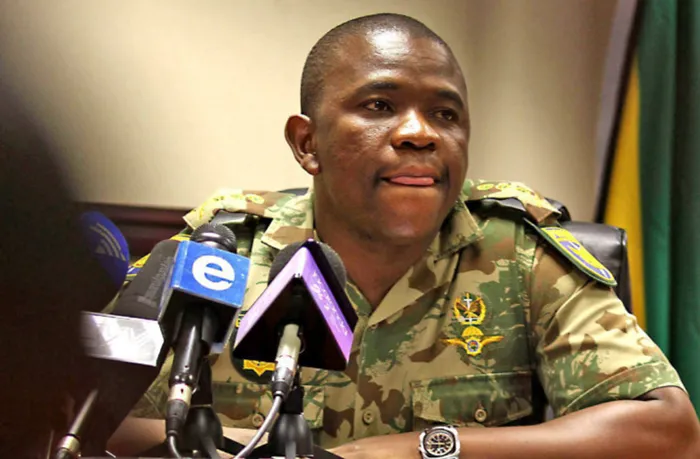
This is not the first time SAPS leadership has imploded. Jackie Selebi fell to corruption. Riah Phiyega’s legacy was stained by Marikana. Sitole’s wars with Bheki Cele paralysed the service. Each crisis birthed a commission. Each promised reform. Each failed to break the cycle.
For Masemola, the commission could decide whether he keeps his job or exits in disgrace.
For Sibiya, it is a battle for survival, vindication as a corruption-buster, or ruin as a factional operator.
For Mkhwanazi, it is the test of whether his whistleblowing will be seen as courage or opportunism.
And for ordinary South Africans, it is a final chance to demand accountability from a police leadership that has failed them too often.
“If Madlanga fails, the damage won’t just be reputational,” warned a veteran officer. “It will be existential. Communities will lose all faith.”