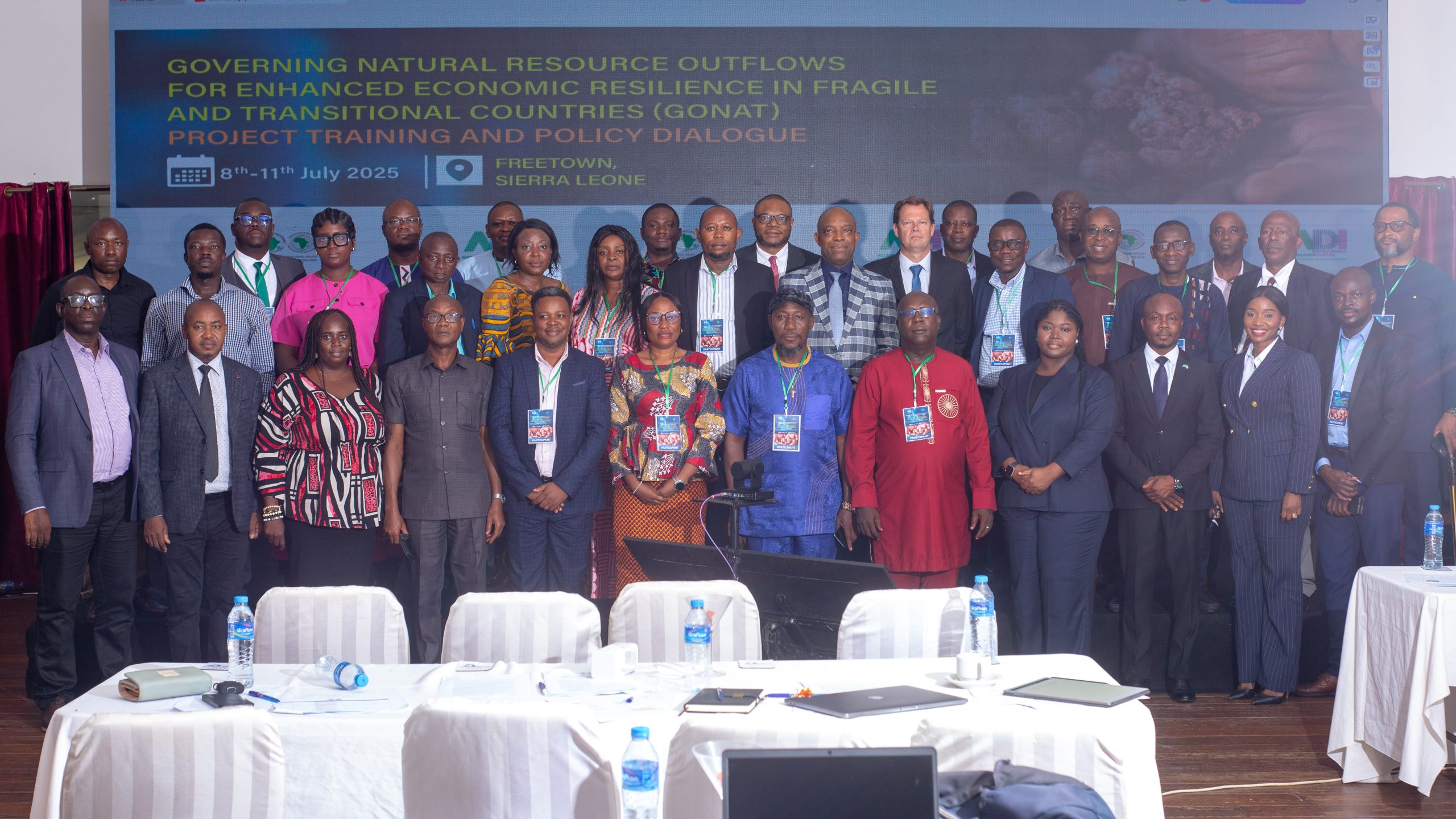
Freetown, Sierra Leone — Africa is estimated to lose approximately $90 billion each year due to illicit financial flows (IFFs), a staggering drain that undermines economic growth, weakens governance, and exacerbates poverty across the continent. Last week, Sierra Leone hosted a high-level, four-day seminar aimed at tackling this persistent challenge, signalling a concerted effort to bolster natural resource governance and financial transparency.
More than 70 participants, including representatives from government ministries, civil society groups, private sector stakeholders, and international organisations, convened at The Place Resort in Tokeh under the banner: “Harnessing Africa’s Wealth: Curbing Illicit Financial Flows for Resilient Growth and Development.”
The Illicit Financial Flows Challenge
Illicit financial flows involve the illegal movement of money or capital from one country to another, often linked to corruption, tax evasion, smuggling, and the illegal trade of natural resources such as minerals and timber.
For resource-rich African countries like Sierra Leone, which depend heavily on commodities, IFFs translate into billions lost that could otherwise fund vital public services, infrastructure, and social programs.
ALSO READ: Unlocking Institutional Capital to Bridge the Infrastructure Gap
“This initiative can help us improve revenue from natural resources by blocking leakages through illegal natural resource trade and improved management of resource-backed lending,” stated Sierra Leone Finance Minister Sheku Ahmed Fantamadi Bangura. His comments emphasised that plugging these leaks is critical to boosting the country’s and the continent’s economic resilience.
Focus Areas: Transparency and Accountability in Resource Management
Discussions at the seminar spotlighted three critical areas:
- Identifying Illicit Financial Flows: Understanding patterns, sources, and mechanisms by which capital illegally exits African economies.
- Resource-Backed Lending (RBL) Management: Ensuring that loans tied to natural resource revenues are approached with utmost transparency and accountability. The group recognised RBLs as “an option of last resort,” to be used cautiously, only where investments directly enhance the capacity to repay.
- Strengthening Governance Mechanisms: Reforming institutions to close capacity gaps, improve regulatory oversight, and build communities of practice dedicated to natural resource governance.
Participants reviewed findings from the Sierra Leone Country Diagnostic Report, which exposed weaknesses in curbing illegal resource trade and highlighted institutional inefficiencies.
Strategic Alignment
International expert Bernd Schlenter from Rand Sandton Consulting Group shared technical insights on IFFs, providing participants with a clearer picture of how illicit flows operate and effective policy responses.
Also weighing in, Halima Hashi, African Development Bank Country Manager for Sierra Leone, placed the initiative within the context of the Bank’s Ten-Year Strategy 2024-2033 and the Natural Resources Management and Investment Action Plan 2025-2029, both aimed at sustainable development and resource optimisation.
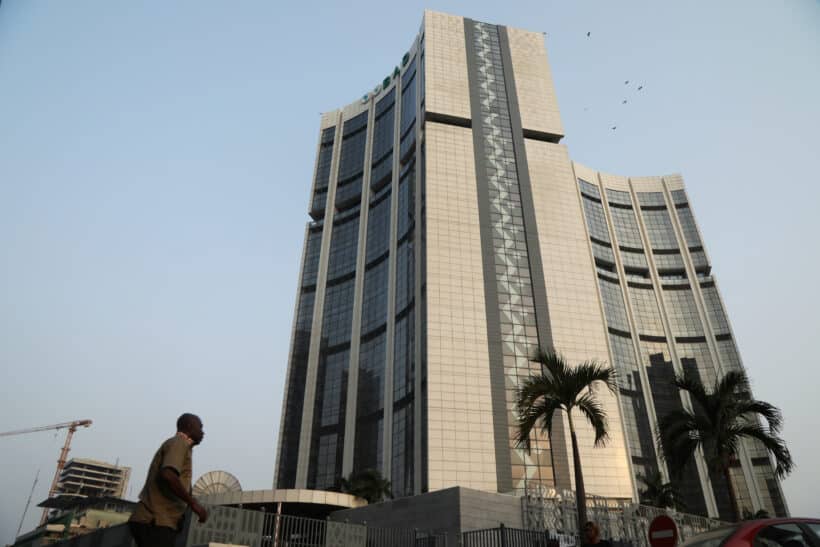
Dr. Eric Ogunleye, Director of the African Development Bank’s African Development Institute, underscored the strategic nature of the challenge.
“Achieving transparent and equitable natural resource management is not merely a technical exercise, it is a strategic imperative for Africa’s future.”
The GONAT Project: Pillars of Progress
The seminar’s work is part of the broader Governance of Natural Resources and Resource-Backed Lending Transparency (GONAT) Project, funded by the African Development Bank’s Transitional Support Facility. The project builds Africa’s capacity across three pillars:
- Policy Analysis and Diagnostics: To identify gaps and design better governance frameworks.
- Capacity Strengthening: Training stakeholders, building expertise, and nurturing communities of practice.
- High-Level Policy Dialogue: Creating platforms to discuss, refine, and adopt transformative policies.
The seminar concluded with a draft communique urging Sierra Leone and participating African states to adopt the recommendations, translating dialogue into real-world reforms. These include institutional restructuring, enhanced transparency in resource contracts and lending, and integration of cross-border monitoring mechanisms.
ALSO READ: African Bank’s $17M Bet on Jobs Over Guns in Mozambique’s Cabo Delgado
The renewed focus on illicit financial flows intersects with broader continental ambitions expressed in the African Union’s Agenda 2063, which calls for harnessing Africa’s natural wealth to uplift all citizens.
For ordinary Sierra Leoneans, the significance extends beyond figures: better governance and stopping illicit outflows mean more resources for health, education, infrastructure, and economic empowerment. By tackling corruption and financial crimes linked to natural resources, the country moves closer to reducing poverty and building a resilient economy that benefits the many rather than the few.
This seminar reflects growing awareness that Africa’s vast natural riches can deliver inclusive prosperity—but only through strengthened institutions, transparency, and a vigilant stance against illicit flows.