PRETORIA: South Africa has just recorded the best tourism performance in its history. Statistics South Africa confirmed that 10.5 million international tourists visited the country in 2025, a 17.7% increase on the previous year and the first time arrivals exceeded pre-pandemic levels. Tourism Minister Patricia de Lille has rightly described the sector as one that is no longer simply recovering, but expanding.
This is an important achievement. But there is another figure we cannot afford to overlook. In the third quarter of 2026, youth unemployment stood at 47.3%. Almost one in every two young people looking for work could not find a job.
These figures belong in the same conversation.
Tourism is one of the sectors with the potential to turn South Africa’s growing appeal as a destination into meaningful economic opportunities, particularly in rural communities, small towns and areas surrounding our national parks and heritage attractions. Government estimates that tourism sustains 1.8 million direct and indirect jobs, with approximately one job created for every 13 international tourist arrivals.
But attracting visitors is only part of the challenge. We must also ask who owns the businesses benefiting from their spending.
If South Africa is to remain competitive as a tourism destination, more young people must become owners, employers and innovators within the sector. They should not be confined to looking for employment in an industry whose growth they can help drive.
This is the thinking behind the renewed partnership between the National Youth Development Agency (NYDA) and the Mpumalanga Department of Economic Development and Tourism. The two institutions have extended their memorandum of understanding for another three years and agreed to double the Mpumalanga Youth in Tourism Fund.
The decision builds on two years of implementation and support for 53 youth-owned tourism businesses. It is an opportunity to take a model that has begun to demonstrate its value and extend its reach to more young entrepreneurs across the province.
What the Mpumalanga experience tells us
The Mpumalanga Youth in Tourism Fund is a three-year partnership that provides funding, mentorship and business support to youth-owned tourism enterprises.
The second year of implementation, 2025/26, demonstrated both the demand for support and the importance of assessing businesses properly before funding them.
The fund received 118 applications from across the province. Of these, 68 businesses underwent physical site visits, during which assessors examined their premises, assets, records and operations. A further 40 applicants presented their businesses to an evaluation panel.
Ultimately, 31 youth-owned businesses were approved for support: 16 in Ehlanzeni, eight in Nkangala and seven in Gert Sibande. Together, these businesses created or sustained 125 jobs.
Across the first two cohorts, the fund has invested R8.5 million in 53 youth-owned tourism businesses. These enterprises report a combined 249 jobs across the province’s three districts.
That represents an investment of approximately R34,000 for every job reported. More importantly, these are jobs connected to businesses owned by young people who have the opportunity to build assets, generate income and employ others.
The businesses operate across different parts of the tourism value chain, including guest houses and accommodation, tour operations, travel experiences, wellness and leisure services, and events.
Mpizana Boutique Guest House is one example of what can become possible when a young entrepreneur receives capital and business support at the right stage of development.
ALSO READ: Emirates dangles free Dubai attractions as tourism bounces back
The lesson is that young people do not lack ideas or ambition. What they often lack is access to finance, markets, business networks and the practical support needed to turn an idea into a sustainable enterprise.
Competitiveness is about more than attracting visitors
When we discuss South Africa’s tourism competitiveness, the conversation often focuses on major interventions such as visa reforms, air access, destination marketing and tourist safety. These are essential, and government has taken steps to address them.
The Electronic Travel Authorisation system, launched by President Cyril Ramaphosa at OR Tambo International Airport in August 2026, is intended to make it easier for international visitors to enter the country. The Cabinet-endorsed Tourism Growth Partnership Plan for 2025 to 2029 also identifies five priorities: ease of access, coordinated destination marketing, tourist safety, tourism product development and job creation.
But getting visitors through our borders is only half the task. We must also give them compelling reasons to stay longer, explore more places and spend money in local communities.
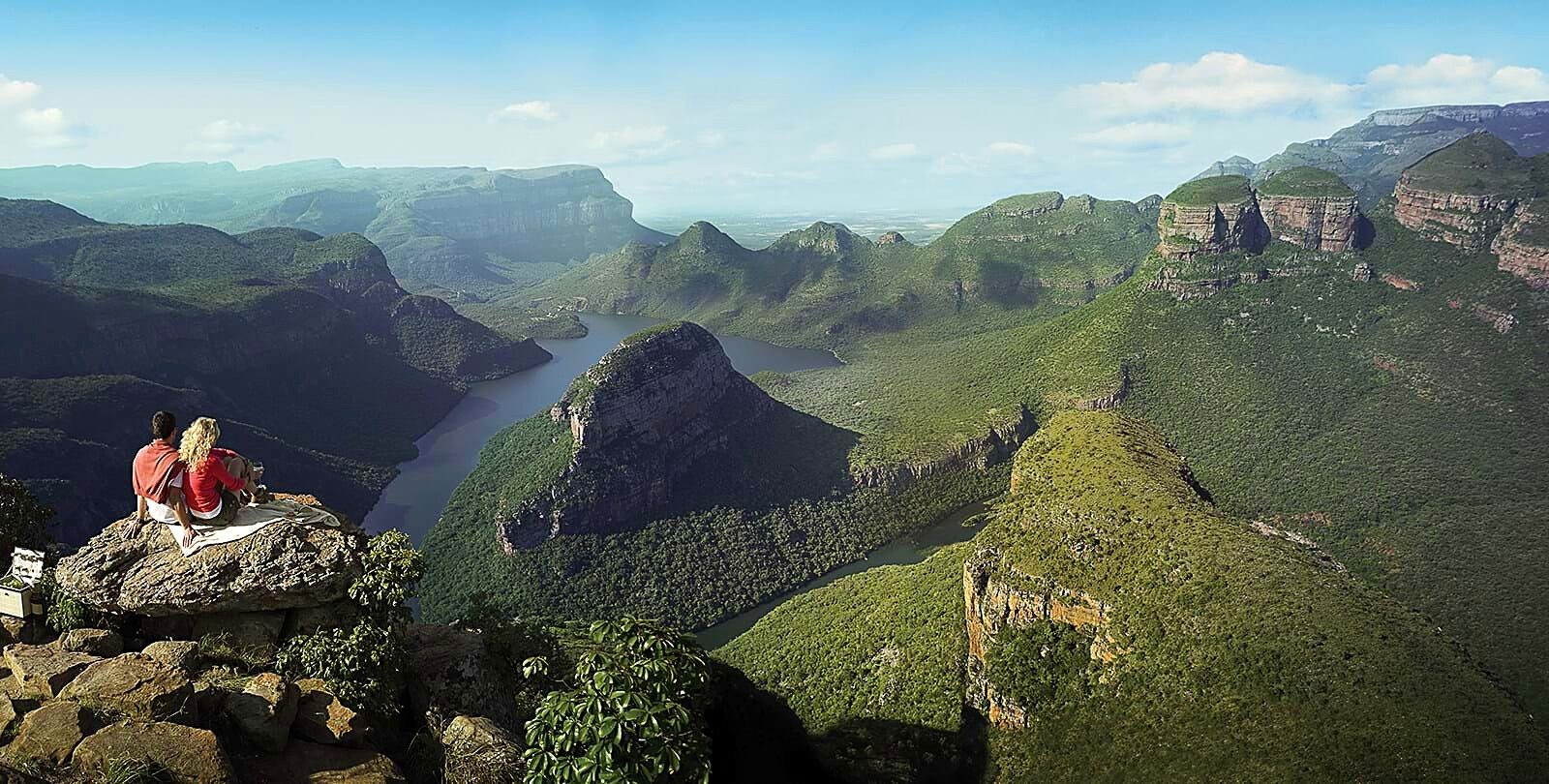
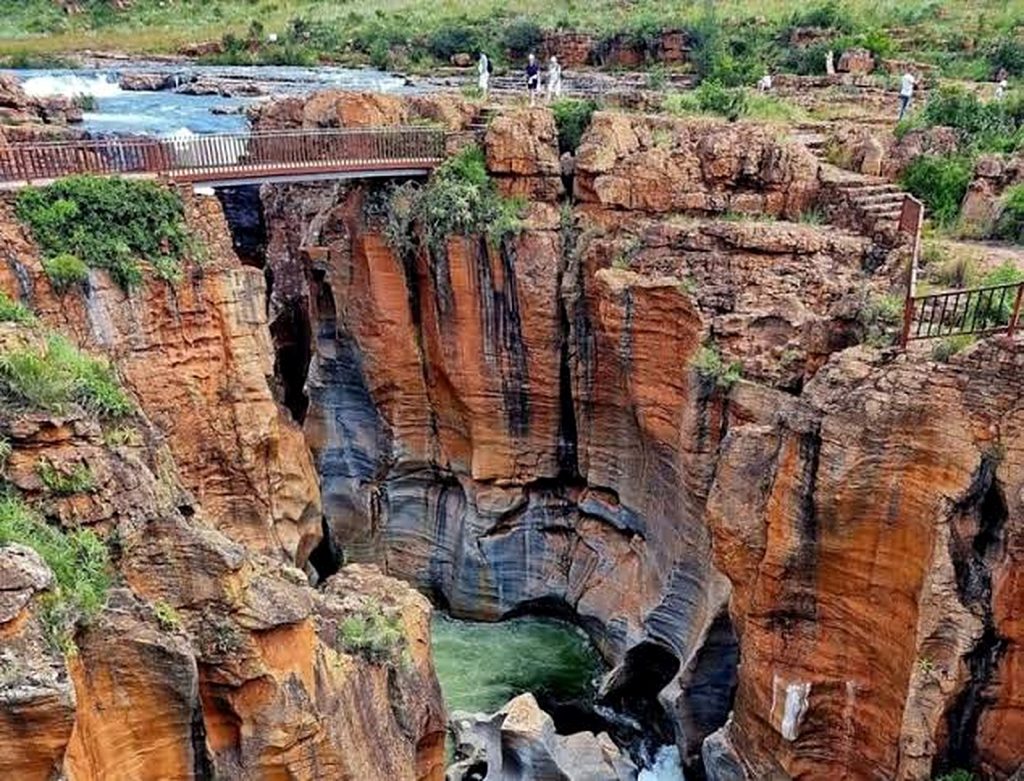
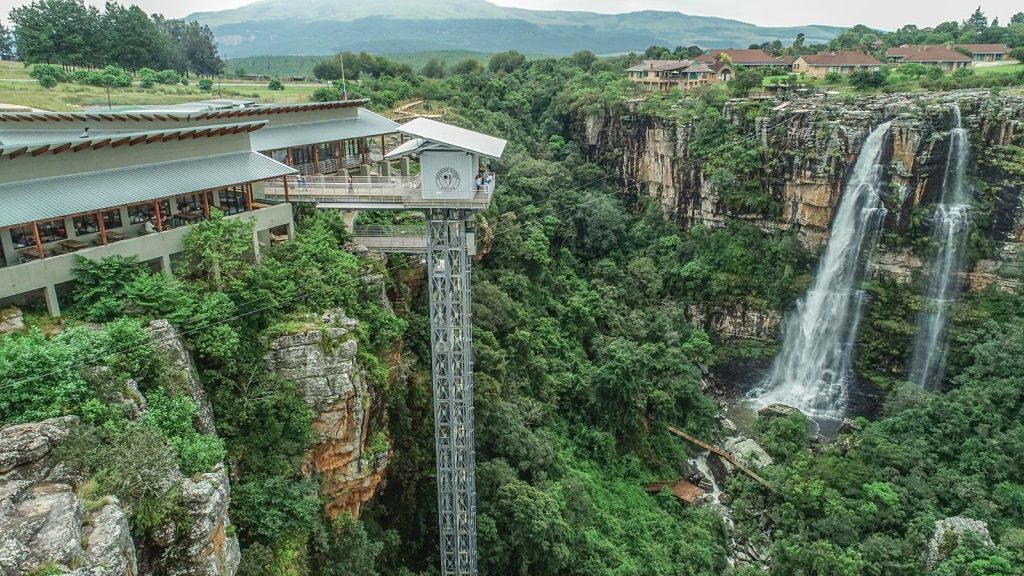
Mpumalanga illustrates this opportunity particularly well. The province is home to major attractions such as the Kruger National Park, the Panorama Route and the Blyde River Canyon. Yet the challenge is not simply how many tourists visit these destinations. It is how much of their spending reaches surrounding communities and local businesses.
A visitor who stays an additional night at a locally owned guest house, takes a guided cultural tour, books a wellness experience or attends a community festival contributes to a wider tourism economy.
These experiences create opportunities for young entrepreneurs to develop products that complement established attractions while giving visitors more reasons to explore the province.
This is where youth innovation becomes important. Young entrepreneurs understand the digital marketplace and can use social media, online booking platforms and digital payment systems to reach customers beyond their immediate communities. They can also develop experiences that respond to changing traveller expectations, including authentic cultural encounters, local food, wellness, adventure and community-based tourism.
Every viable youth-owned enterprise adds something to the country’s tourism offering. Collectively, these businesses can help South Africa compete not only on its natural attractions, but also on the quality, diversity and accessibility of the experiences it offers.
The World Economic Forum’s Travel and Tourism Development Index 2026 reinforces the importance of the wider tourism ecosystem. A destination’s competitiveness depends not only on its attractions, but also on the services, infrastructure and supporting systems that allow visitors to access and enjoy them.
Turning national policy into local opportunity
The Mpumalanga fund should also be understood within the context of South Africa’s broader economic and development priorities.
The National Development Plan, Vision 2030, recognises tourism as a labour-absorbing sector and calls for broader participation and ownership in the economy. The Medium-Term Development Plan 2024 to 2029 places inclusive economic growth and job creation at the centre of government’s priorities, with tourism identified as an important contributor.
The Tourism Growth Partnership Plan gives practical expression to these ambitions through its focus on product development and employment creation. Supporting a young person to establish or expand a tourism business is a direct investment in both.
At a broader level, Phase Three of Operation Vulindlela and the Government-Business Partnership have identified tourism as one of the sectors that can help drive economic growth above 3%.
Reforms that improve access to South Africa are important because they can bring more visitors into the country. But we must also ensure that the benefits of increased tourism reach a wider group of South Africans.
This is where youth enterprise development has a critical role to play. Programmes such as the Mpumalanga Youth in Tourism Fund help connect national economic ambitions with the realities of young people trying to establish businesses in their communities.
The approach also reflects the objectives of the National Youth Policy 2030. Young people must be supported not only to enter the labour market as employees, but also to create businesses and employment opportunities for others.
Policy commitments matter, but their real value is measured by what changes on the ground. For a young entrepreneur in Gert Sibande or Ehlanzeni, that change may be access to the capital needed to upgrade accommodation, purchase equipment, improve a tourism experience or reach a new market.
Doubling the fund and extending the partnership
The renewed memorandum of understanding between the NYDA and the Mpumalanga Department of Economic Development and Tourism provides a further three years of cooperation, with the fund set to double.
This creates an opportunity to reach more businesses across Ehlanzeni, Nkangala and Gert Sibande, while strengthening the support available to those already participating.
The next phase must build on the lessons of the first two cohorts. Funding is essential, but it is not enough on its own. Young entrepreneurs also need business development support, mentorship, digital capabilities, market access and links to established players in the tourism industry.
We must pay attention to what happens after funding is approved. Are businesses still operating two or three years later? Are they attracting more customers? Are they creating additional jobs? Are they able to access new markets and compete with established operators?
These are the measures that should guide the next phase of the programme.
Our ambition should not simply be to increase the number of young people receiving funding. It should be to build enterprises that can survive, grow and contribute meaningfully to their local economies.
That requires continued collaboration between government, the private sector, tourism bodies and communities. Established operators can help young businesses access supply chains, distribution networks, skills and customers. Municipalities can contribute through infrastructure, planning and the maintenance of public spaces. Provincial and national institutions can help create an environment in which small enterprises have a fair opportunity to compete.

A tourism economy in which young people have a stake
South Africa has demonstrated that it can attract millions of international visitors. The record arrivals in 2025 are evidence of the country’s appeal and the potential of its tourism industry.
The next challenge is to ensure that this growth translates into wider economic participation.
The 53 businesses supported through the Mpumalanga fund are a beginning, not an endpoint. Their experience shows the value of combining access to finance with proper assessment, mentorship and institutional partnerships.
Doubling the fund and extending the agreement for another three years is a commitment to expanding that opportunity.
A competitive tourism industry needs more than attractive destinations and effective marketing. It needs a strong network of local businesses capable of delivering quality experiences, creating jobs and keeping more tourism revenue within communities.
Young South Africans must be part of building that network. They should not merely be spectators as the industry grows. They must have a stake in it, the opportunity to own it and the support to make their businesses succeed.
If we get that right, South Africa’s tourism success will be measured not only by the number of visitors arriving at our airports, but also by the number of young people building sustainable businesses and creating livelihoods because those visitors came.
Ndumiso Kubheka is the Chief Executive Officer of the National Youth Development Agency (NYDA).