Juba, South Sudan — For nearly 50 years, customary law known as Quanun Wanh-alel has governed much of South Sudan’s traditional justice system, especially across Western Bahr El Ghazal and surrounding states.
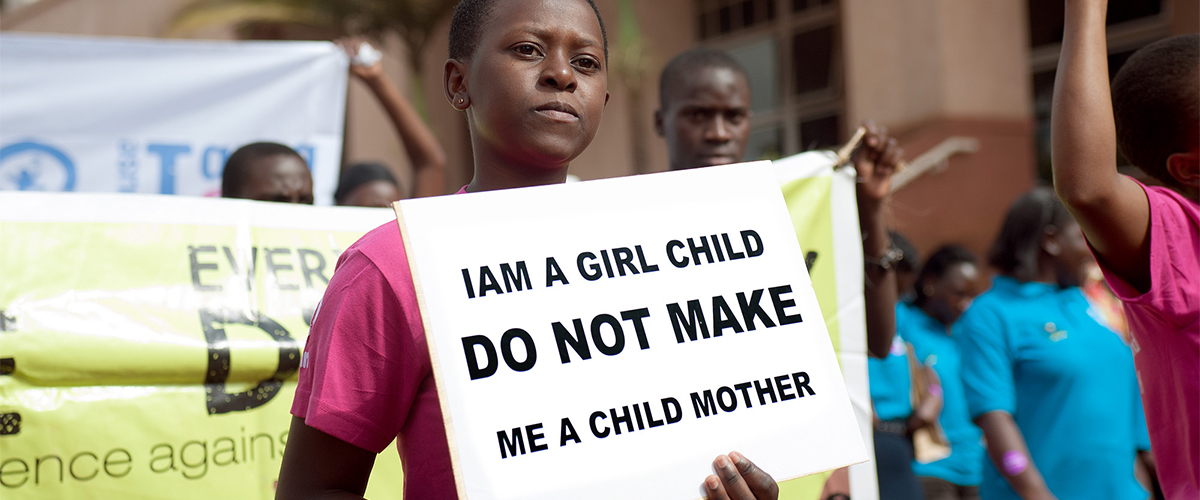
While it served as a foundational framework reflecting local customs and collective values, some of its provisions, such as those permitting early and forced marriages, are increasingly clashing with modern perspectives, particularly the rights of young women.
Now, after decades of discussion and groundwork, the Warrap state community is on the verge of making a historic change: outlawing early and forced marriages, putting rights and the future of its youth front and centre.
The Struggle of a Young Woman Challenging Tradition
The story of S.*, a young woman from Warrap, personifies the tensions between tradition and modernity. At just 16 years old last year, S. was promised to an influential businessman as his fourth wife in exchange for a dowry of 180 cows paid to her family, a deeply embedded custom in her community.
“My father and brother love me,” S. says, “but it is our custom for girls to be married off early. It’s what our community believes is best for the girls and for the families.”
Yet S. refused to accept this fate. Her courage came at a perilous price: the rejected suitor reported her to the police, leading to her imprisonment. After months behind bars and interventions by a formal justice court, S. was released, and her family was ordered to return the cattle, though they no longer possess them.
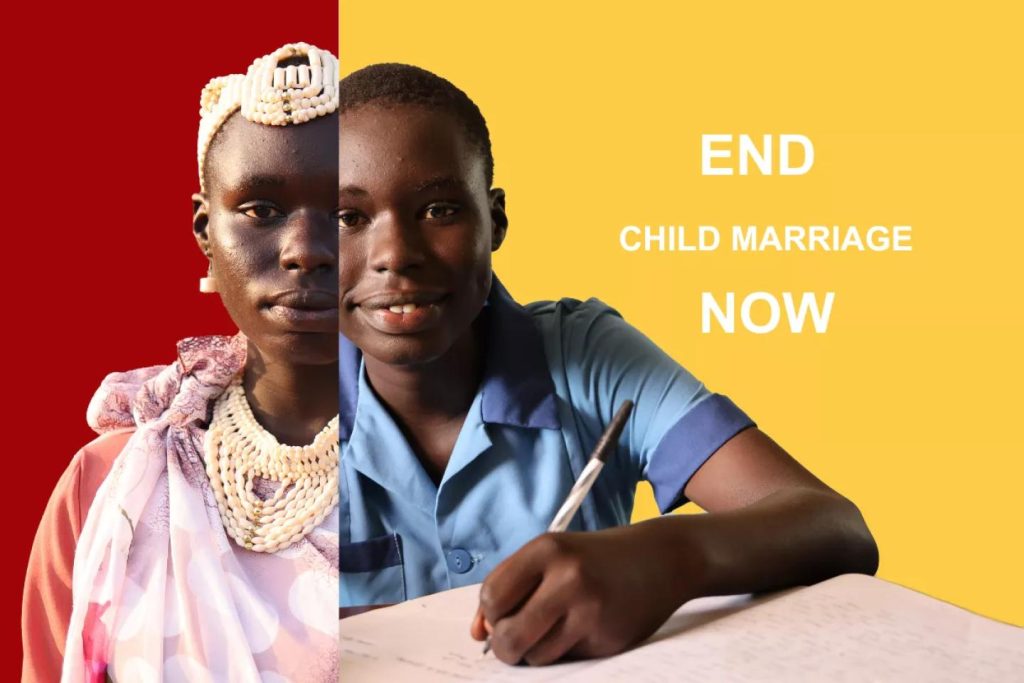
“The ruling means that until the cattle are returned, there is a risk that family members could be imprisoned again,” S. explains. “But I remain determined. My dream is to finish my education and become a teacher. I don’t want to be chained to the house.”
Her story is far from unique. Such cases of early and forced marriage, alongside other harmful customs like widow inheritance, have persisted across South Sudan, often justified under the guise of social cohesion.
A Community-Led Call for Change
Roda Sube, Gender Affairs Officer with the United Nations Mission in South Sudan (UNMISS), has witnessed firsthand the harmful impact these traditional laws have on women.
“These customs often prioritise social cohesion over the modern concept of human rights, putting vulnerable individuals at risk.”
International partners like the International Organisation for Migration (IOM) have been working with local communities to facilitate honest discussions about how to modernise customary law without fracturing vital communal bonds.
ALSO READ: A New Dawn for Women and Girls: The Merck Foundation and African First Ladies Leading the Charge
“Nobody is better placed to review the laws they live by than the people themselves,” says Pyry Salomo Paulasaari, IOM Programme Administrator. “And crucially, community voices have been increasingly urging reform.”
The ripple effect of these grassroots efforts bore fruit in neighbouring Western Bahr El Ghazal last month when the state formally updated its customary laws to explicitly prohibit early and forced marriage, the very region where Quanun Wanh-alel was born in 1975.
Warrap Inches Closer to Legal Reform
Building on Western Bahr El Ghazal’s landmark progress, Warrap recently convened traditional chiefs and community leaders, backed by UNMISS and coalition partners, to finalise discussions on reforming their customary law.
“This is the final step before the Ministry of Justice and the Government of Warrap give their formal approval,” says Madhel Lang Juk, Paramount Chief and Chairperson of Warrap’s Council of Traditional Authority Leaders. “It’s a milestone long overdue, and hopefully, this consensus will inspire others across South Sudan.”
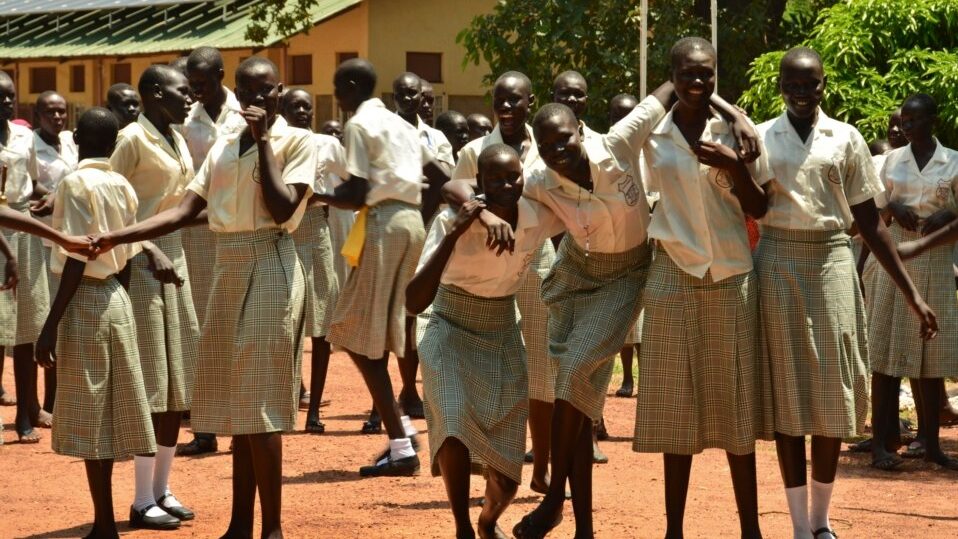
The anticipated ratification would make Warrap the second state in the nation to outlaw early and forced marriages, signalling a crucial shift toward safeguarding young rights and aligning tradition with human rights norms.
A Future Free from Forced Bonds
For young women like S., these changes represent more than legal adjustments, they hold the promise of freedom to pursue education, careers, and self-determined lives.
“This reform is a beacon of hope,” reflects S. “Not just for me, but for the thousands of girls caught between custom and choice.”
South Sudan’s journey highlights the powerful potential of community-led transformation, where respect for tradition harmonises with the urgent need to protect human dignity and rights.
As Warrap stands on the cusp of change, there is cautious optimism that other states will follow, ushering in a new era where early marriage, once a norm, is consigned to history, and the dreams of the younger generation may finally take flight.
Names have been changed to protect identities.