PRETORIA: The University of South Africa (Unisa) will bring together leading scholars, intellectuals and practitioners for its 2027 Decoloniality Summer School, with renowned South African jazz pianist, composer and academic Dr Nduduzo Makhathini among the headline contributors.
The summer school will take place from 11 to 15 January 2027 at the Function Hall in the Kgorong Building at Unisa’s Muckleneuk Campus in Pretoria. It will be held under the theme, “Decolonising the Classroom: From Epistemic Critique to Transformative Praxis”.
The 2027 edition will examine how colonial knowledge systems continue to shape education and how universities can move towards more inclusive approaches to teaching, learning and research. A central focus will be the relationship between the critique of established knowledge systems and the practical changes needed to advance epistemic justice.
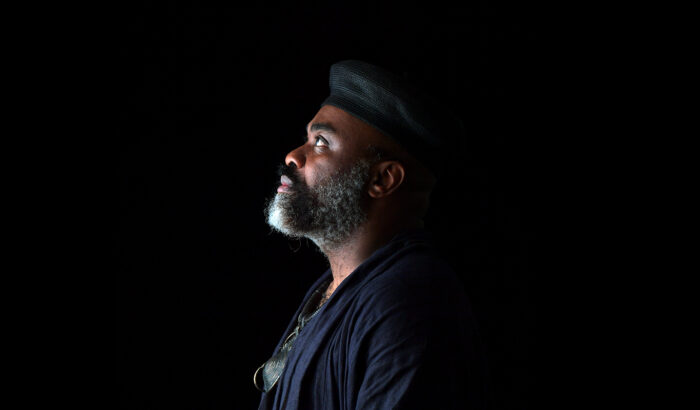
Makhathini brings music into the decoloniality debate
Makhathini’s participation will bring an interdisciplinary dimension to these discussions. His work as a musician, composer and scholar explores the intersections of music, African cosmology and postcolonial thought, offering a perspective on how culture and creative expression contribute to African ways of knowing.
Music will feature prominently in the programme. Makhathini will deliver a keynote address, lead interactive lectures and workshops, and conduct a masterclass for postgraduate Music students.
[Nduduzo Makhathini. Photo: Supplied]
ALSO READ: Tony Kgoroge to headline launch of African languages International film festival
International scholars join the programme
Makhathini will be joined by an international line-up of scholars and practitioners whose work spans indigenous research methodologies, African knowledge systems, education and decolonial scholarship.
They include:
- Professor Linda Tuhiwai Smith of Te Whare Wānanga o Awanuiārangi in New Zealand, one of the most influential Māori scholars and researchers of the 21st century.
- Professor Bagele Chilisa of the University of Botswana, a postcolonial scholar whose work focuses on indigenous research and evaluation methodologies.
- Dr Mmatshilo Motsei of Afrika Ikalafe Pluriversity, an integrative healer, author and thought leader whose work connects academic research, the creative arts, African spirituality and indigenous knowledge.
- Professor Nampombe Saurombe of Unisa’s Department of Information Science, whose scholarship focuses on the decolonisation of archives.
Their combined expertise will inform discussions on how indigenous knowledge systems and alternative intellectual traditions can contribute to more inclusive approaches to research, teaching and knowledge production.
From theoretical critique to practical change
According to Unisa Decoloniality Summer School project leader Kelebamang Mokgupi, the 2027 theme calls for a shift beyond examining colonial legacies towards practical interventions in classrooms and institutions of higher learning.
“It challenges educators, researchers and students to reconsider whose knowledge is recognised, whose histories are represented in curricula, and how teaching and learning can become more inclusive and responsive to African realities,” she says.
Mokgupi says the summer school will also engage with changes in the humanities and social sciences while promoting decolonial approaches to knowledge production and practice.
“It aims to contribute to the decolonisation of minds, foster new paradigms for understanding power, knowledge and being, and promote the development of decolonial consciousness and ethics. Furthermore, the school seeks to nurture a new generation of decolonial thinkers and thought leaders while expanding the frontiers of knowledge beyond Eurocentric perspectives.”
ALSO READ: Muslim ritual meets Swahili culture at Kenya’s unique annual maulidi festival
Building on the 2026 edition, the 2027 programme will place greater emphasis on decolonial praxis. This means translating the theories, ethics and principles of decoloniality into practical interventions that can change how knowledge is taught, researched, produced and recognised.
The intention is to encourage participants to consider how decolonial thinking can be reflected in curricula, teaching methods, research practices and the wider institutional culture of universities.
A platform for transforming higher education
Established in 2013, the Unisa Decoloniality Summer School has become an important intellectual platform within the university’s College of Human Sciences. It provides a space for critical engagement with the continuing effects of colonialism and the relationship between power, knowledge and identity.
Over the years, the programme has attracted African and international scholars, contributing to debates that challenge dominant knowledge frameworks and give greater recognition to intellectual traditions from the Global South.
The 2027 edition continues this focus on epistemic justice, Africanisation and the transformation of higher education. By bringing together scholarship, indigenous knowledge systems, African worldviews and creative practice, the programme aims to strengthen the connection between critical debate and meaningful institutional change.
As universities continue to grapple with curriculum transformation, multilingualism and the recognition of knowledge traditions that have historically been marginalised, the summer school will offer students, researchers and educators an opportunity to consider how higher education can better reflect the societies it serves and African realities.