PRETORIA: The University of South Africa (Unisa) has called for stronger partnerships between higher education institutions and the healthcare sector to help make quality healthcare more accessible and affordable, particularly for South Africans without medical scheme cover.
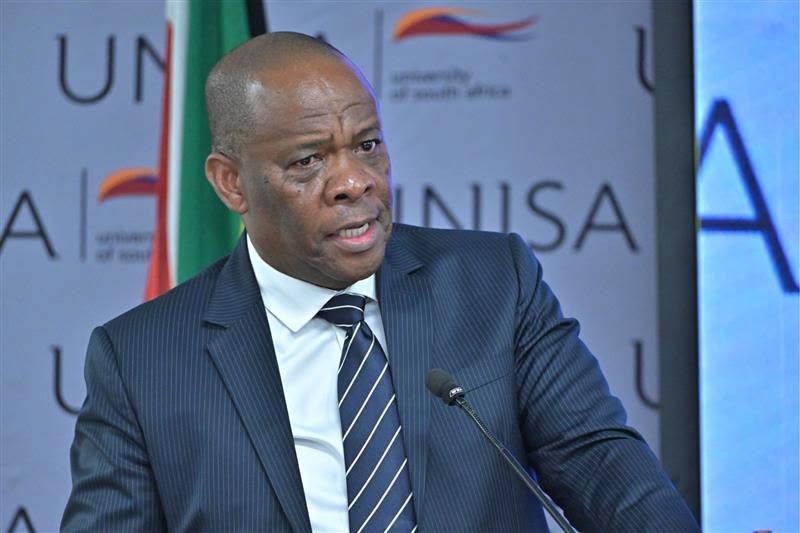
The call emerged during a Leadership Engagement at the university’s Muckleneuk Campus in Tshwane, where representatives from the health and medical scheme sectors discussed ways to address healthcare inequalities, strengthen skills development and use technology to improve access to services.
A key theme was the need to move beyond traditional, fragmented approaches to healthcare education and service delivery towards a more collaborative, technology-driven system involving universities, medical schemes, healthcare providers, government and industry.
Universities have a role in strengthening healthcare
Unisa Principal and Vice-Chancellor Professor Puleng LenkaBula said universities had an important role to play in addressing the country’s healthcare challenges through innovation, research and partnerships extending across Africa and beyond.
“A university without health and medical sciences is confronted with distinct academic, institutional, and societal limitations,” she said.
LenkaBula also highlighted the importance of strengthening local manufacturing capacity, particularly in light of the supply chain vulnerabilities exposed by the Covid-19 pandemic.

She linked this to the African Union’s ambition to ensure that at least 60% of essential health products are produced locally by 2040. Greater local production, she said, would help reduce dependence on external suppliers and strengthen the continent’s ability to respond to future health emergencies.
She argued that universities should be active contributors to public health solutions by supporting local innovation and using research and data to respond to healthcare needs. South Africa’s potential as a biopharmaceutical producer, she suggested, offered an opportunity for universities to contribute to a more resilient healthcare system.
Medical schemes urged to invest in prevention and skills
Lee Callakoppen of Bonitas Medical Fund supported the call for closer partnerships between medical schemes and higher education institutions. He said healthcare systems needed to move away from a model focused mainly on treating illness towards one that prioritised prevention, affordability and patients’ needs.
He identified shortages of skilled professionals and regulatory uncertainty as challenges that needed to be addressed to improve the sector.
ALSO READ: Unisa brings leading scholars and Nduduzo Makhathini to 2027 Decoloniality Summer School
“As we gather, we must consider the pressing need to overcome human capital shortages and regulatory uncertainties,” Callakoppen said.
He pointed to Bonitas’s investment in institutions such as the University of KwaZulu-Natal as an example of how medical schemes could contribute to developing future healthcare professionals and leaders.
Such partnerships, he suggested, could help connect the healthcare industry’s skills requirements with the training and research capacity of universities.
Digital technology could improve access to care
Dr Mangaliso Mahlaba, chief executive of Thebe Ya Bophelo Administrators, described universal healthcare as an important development goal and called for greater attention to primary healthcare.
He emphasised the need to encourage healthier lifestyles, strengthen preventive services and improve access to healthcare in underserved communities.

Mahlaba also highlighted the opportunities created by advances in technology and data management. He proposed establishing dedicated institutions for digital healthcare, potentially drawing on Unisa’s existing resources and capabilities to improve patient experiences and health outcomes.
His contribution pointed to the potential of technology to do more than improve healthcare administration. Digital systems could also help extend services to communities that face geographical and other barriers to accessing care.
However, the benefits would depend on appropriate infrastructure, skills and investment to ensure that technology improves access rather than deepening existing inequalities.
Healthcare reform requires cooperation
Marinus Pretorius, Acting Principal Officer of POLMED, said improving access to healthcare would require cooperation across the different parts of the healthcare ecosystem.
He argued that universal health coverage should be viewed not simply as a policy objective but as a shared responsibility requiring commitment from all stakeholders.
ALSO READ: From black holes to Africa’s place in the universe: Unisa hosts astrophysics trailblazer
The engagement highlighted the need for universities, medical schemes, healthcare administrators, government and industry to work together to address skills shortages, improve healthcare infrastructure and make services more accessible.
For Unisa, stronger engagement with the healthcare sector could create opportunities to contribute through teaching, research, professional development and technology-based solutions to healthcare delivery.
Linking healthcare innovation to development priorities
The discussions also connect with Unisa’s broader institutional priorities, particularly its Catalytic Niche Areas of Health and Well-being and Fourth Industrial Revolution and Digitalisation.
These areas provide a strategic basis for exploring how research, technology and interdisciplinary collaboration can support more accessible and responsive healthcare systems.
The focus on healthcare access and prevention also aligns with the United Nations Sustainable Development Goal 3, which seeks to ensure healthy lives and promote well-being for all. The emphasis on developing healthcare skills supports SDG 4 on quality education, while local pharmaceutical production and digital solutions relate to SDG 9 on industry, innovation and infrastructure. The call for collaboration across sectors is also consistent with SDG 17 on partnerships.
At continental level, the discussions support the African Union’s Agenda 2063, particularly its ambition for healthy and well-nourished citizens and stronger African capacity in science, technology and innovation. The drive to increase local production of essential health products also speaks to the continent’s efforts to reduce dependence on external supply chains.
In South Africa, the National Development Plan 2030 identifies improved healthcare, a capable health workforce and a stronger public health system as key development priorities. The engagement’s emphasis on primary healthcare, prevention, skills development and technology reflects the importance of coordinated action in addressing these challenges.
Building a more resilient healthcare system
Sustainability was another important consideration emerging from the discussions. A resilient healthcare system requires investment in local production, skilled professionals, reliable infrastructure and technology that can improve efficiency while reaching underserved communities.
The engagement underscored that expanding access to affordable healthcare will require more than individual institutional initiatives. It will depend on sustained partnerships, investment in people and research, and a shared commitment to building a healthcare system that serves more South Africans.
For universities such as Unisa, the challenge is to translate their academic and research capabilities into practical contributions that help address the country’s healthcare needs.