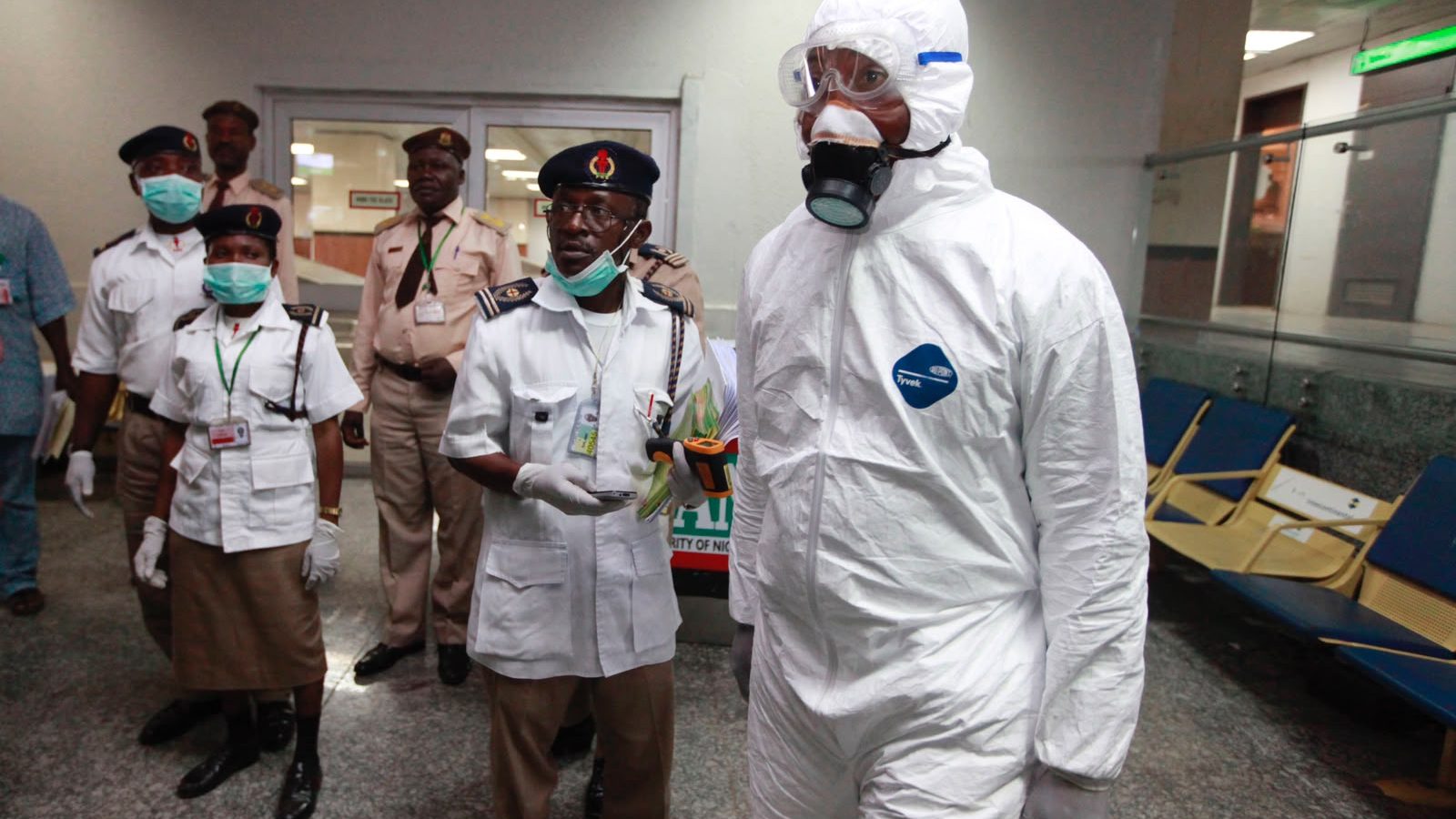
ABUJA: The World Health Organization (WHO) has urged African governments to strengthen disease surveillance, laboratory testing and emergency preparedness after Nigeria confirmed its first case of Bundibugyo Ebola virus disease, raising concerns about the outbreak’s spread across the continent.
The confirmation, announced on 20 October 2026, marks the first reported detection of the virus in West Africa since the outbreak was declared in the Democratic Republic of the Congo (DRC) on 15 May.
Nigeria is now the fifth country to report an infection linked to the outbreak, according to the WHO, while Kenya is battling a cluster that has grown to nine confirmed cases.
The developments have heightened concerns about the movement of the virus across international borders and the ability of national health systems to identify and contain infections before they spread into communities.
At the centre of the emergency is the DRC, where more than 9,000 infections and 4,000 deaths have been reported since mid-May, according to figures cited by Al Jazeera.
The scale of the outbreak has placed renewed pressure on African governments to strengthen their public health systems, particularly as the Bundibugyo virus presents additional treatment challenges.
Unlike Ebola disease caused by the Zaire ebolavirus, for which approved vaccines and specific treatments exist, there is currently no licensed vaccine or approved virus-specific treatment for Bundibugyo Ebola.
Africa Centres for Disease Control and Prevention (Africa CDC) Director-General Jean Kaseya warned that the emergency was “no longer one country’s fight”.
Writing on X, Kaseya announced plans to convene African health ministers next week to coordinate the continent’s response.
Nigeria races to contain imported infection
Nigeria’s first confirmed patient is a woman who recently travelled to Uganda before arriving in the country on 3 October.
She developed symptoms on 7 October and sought medical attention at a private hospital in Abuja four days later.
Laboratory investigations subsequently confirmed Bundibugyo Ebola infection on 20 October.
Health Minister Muhammad Ali Pate said the patient had been placed in isolation and was receiving treatment while public health investigators worked to establish where she contracted the virus.
Authorities are examining her travel history, possible exposures and movements before and after she developed symptoms.
The Nigeria Centre for Disease Control and Prevention (NCDC) confirmed that molecular testing had identified the Bundibugyo strain.
“We did three levels of tests, but all molecular. The strain was Bundibugyo,” said Olajumoke Babatunde, Director of the NCDC’s Public Health Laboratory Service.
The confirmation triggered an immediate public health response, including the identification and monitoring of people who may have been exposed to the patient.
By 20 October, Nigerian authorities had identified 44 contacts, most of them healthcare workers.
Those individuals are being monitored for symptoms while infection prevention and control measures have been strengthened at the hospital where the patient received treatment.
The NCDC has also activated its incident management system to coordinate the national response.
In a statement issued on 20 October, the WHO confirmed that it was working with Nigerian authorities and other partners to support case investigations, contact tracing, laboratory services and infection control.
The organisation is also supplying essential materials, including personal protective equipment for healthcare workers.
Health authorities face the immediate challenge of determining whether the patient transmitted the virus to anyone before her infection was confirmed.
Early identification of exposed individuals will be critical to preventing a wider outbreak.
Kenya’s Ebola cluster grows to nine cases
While Nigeria investigates its first confirmed infection, Kenya is managing a growing cluster linked to an imported case identified earlier this month.
Kenya’s Ministry of Health confirmed a ninth infection on 20 October, involving a 24-year-old close relative of the country’s first patient.
ALSO READ: Kenya on Ebola alert after first imported case ends in death
The individual was already in quarantine when symptoms developed and tested positive on 19 October.
Kenya’s first confirmed patient was a Kenyan man who had been living in the DRC.
He travelled through Uganda before arriving in Nairobi on 3 October. He was subsequently admitted to hospital and died on 5 October.
The eight additional infections have been linked to people who were either related to the first patient or potentially exposed to him while he was ill.
Despite the increase in confirmed cases, Kenyan health authorities maintain that there is no evidence of transmission beyond the identified group.
Director-General for Health Patrick Amoth said all nine cases “belonged to one known cluster”, with “no evidence of transmission beyond the group”.
The distinction is significant.
Although the number of confirmed infections has increased, the fact that the new cases remain linked to a known chain of transmission suggests that surveillance and contact tracing are helping authorities identify infections before they spread more widely.
By 20 October, Kenyan authorities had traced 134 of the 135 identified contacts and placed them under quarantine.
The eight surviving patients were reported to be stable and responding well to supportive care.
The Ministry of Health also reported receiving 500 treatment doses for confirmed patients, although the specific product was not identified in the supplied information.
Contacts who entered quarantine on 6 October and remain free of symptoms are expected to complete their 21-day monitoring period and begin leaving quarantine from 25 October.
However, officials have cautioned that additional cases among people already under observation remain possible.
The priority is to identify those infections quickly and prevent further transmission.
Early detection becomes Kenya’s strongest defence
The WHO has been supporting Kenya’s response since the country’s first case was confirmed on 6 October.
Working alongside the Ministry of Health and the Kenya National Public Health Institute, the organisation has provided technical and operational assistance aimed at strengthening the country’s ability to contain the outbreak.
In a statement on 16 October, the WHO highlighted the early detection of Kenya’s second and third cases, both of which were identified while the patients were already in quarantine and undergoing daily monitoring.
According to the organisation, these detections demonstrated the importance of identifying exposed individuals and monitoring them throughout the incubation period.
WHO Representative to Kenya Dr Neema Rusibamayila Kimambo emphasised that quarantine is an essential measure for protecting families and communities by reducing opportunities for further exposure.
The organisation’s support has included strengthening surveillance, laboratory testing, contact tracing, clinical care and infection prevention measures.
Additional assistance has focused on screening at points of entry and ensuring that communities receive accurate information about the disease and how to reduce the risk of infection.
The WHO has also supplied personal protective equipment, Ebola testing kits and infrared thermometers.
Kenyan authorities have been encouraged to maintain intensive contact tracing and quarantine measures until the monitoring period has been completed.
The response illustrates an important principle in outbreak management: an increase in detected cases does not necessarily mean containment efforts are failing.
Where infections are identified among known contacts already in quarantine, health authorities have a better opportunity to interrupt transmission before the virus reaches the wider population.
ALSO READ: The Ebola outbreak the world’s vaccines were not built for
Why the Bundibugyo strain presents a serious challenge
The Bundibugyo virus is one of the viruses capable of causing Ebola virus disease, a severe illness that can lead to death.
The infection can spread through direct contact with the blood or other bodily fluids of an infected person who is showing symptoms, as well as through contaminated materials.
Healthcare workers and family members caring for infected patients face particular risks when appropriate infection prevention measures are not followed.
The virus can initially cause symptoms such as fever, weakness, headache and muscle pain, followed in some cases by vomiting, diarrhoea and other serious complications.
The absence of a licensed vaccine or approved virus-specific treatment for Bundibugyo Ebola makes early diagnosis, isolation, supportive clinical care and contact tracing particularly important.
Supportive treatment, including appropriate fluid and electrolyte management and treatment of complications, can improve patients’ chances of survival.
The WHO’s warning therefore extends beyond the countries where infections have already been confirmed.
Health systems across the continent need the capacity to recognise suspected cases, investigate alerts and protect healthcare workers before an imported infection develops into a larger outbreak.
WHO calls for coordinated African response
Following Nigeria’s confirmation, the WHO urged countries across the region to “sustain a high level of readiness” as the outbreak in the DRC continues to evolve.
The organisation wants governments to strengthen surveillance systems and ensure that suspected infections are investigated without delay.
It has also called for laboratories to maintain the capacity to test suspected cases safely and for emergency response teams to remain ready for deployment.
Other priorities include reinforcing infection prevention and control in both public and private healthcare facilities, maintaining adequate stocks of essential medical supplies and strengthening health screening and monitoring at international points of entry.
The WHO has nevertheless advised against imposing travel or trade restrictions on affected countries.
Its position reflects the importance of coordinated public health measures that identify and contain infections without unnecessarily disrupting the movement of people and goods.
Africa CDC’s planned engagement with health ministers is expected to provide another opportunity for countries to strengthen cross-border cooperation, share surveillance information and coordinate preparedness measures.
The spread of the outbreak across national borders has demonstrated that no country can rely exclusively on its domestic health systems to manage infectious disease threats.
Regional cooperation, rapid information-sharing and effective laboratory networks are increasingly essential to containing outbreaks before they escalate.
A test of Africa’s public health preparedness
The developments in Nigeria and Kenya underscore the wider challenges confronting African health systems as they respond to infectious disease emergencies.
While the DRC continues to carry the heaviest burden, the detection of cases elsewhere shows how quickly a public health threat can become a regional concern.
For Nigeria, the immediate priority is to establish the patient’s exposure history, monitor all identified contacts and prevent secondary infections.
For Kenya, the challenge is to contain the existing cluster while ensuring that no infections escape the quarantine and surveillance system.
Across the continent, governments face a broader responsibility to maintain functioning disease surveillance networks, adequately equipped laboratories, trained healthcare workers and effective emergency communication systems.
These measures are particularly important in communities where access to healthcare is limited and delays in diagnosis can allow infections to spread undetected.
The outbreak also reinforces the importance of sustained investment in public health infrastructure, rather than relying solely on emergency interventions once cases have been confirmed.
For African countries, the ability to detect and contain emerging infections is closely connected to the continent’s wider ambitions for stronger health systems, scientific cooperation and health security.
As the WHO and Africa CDC intensify their calls for preparedness, the coming days will be crucial in determining whether Nigeria can prevent further transmission and whether Kenya can bring its cluster under control.