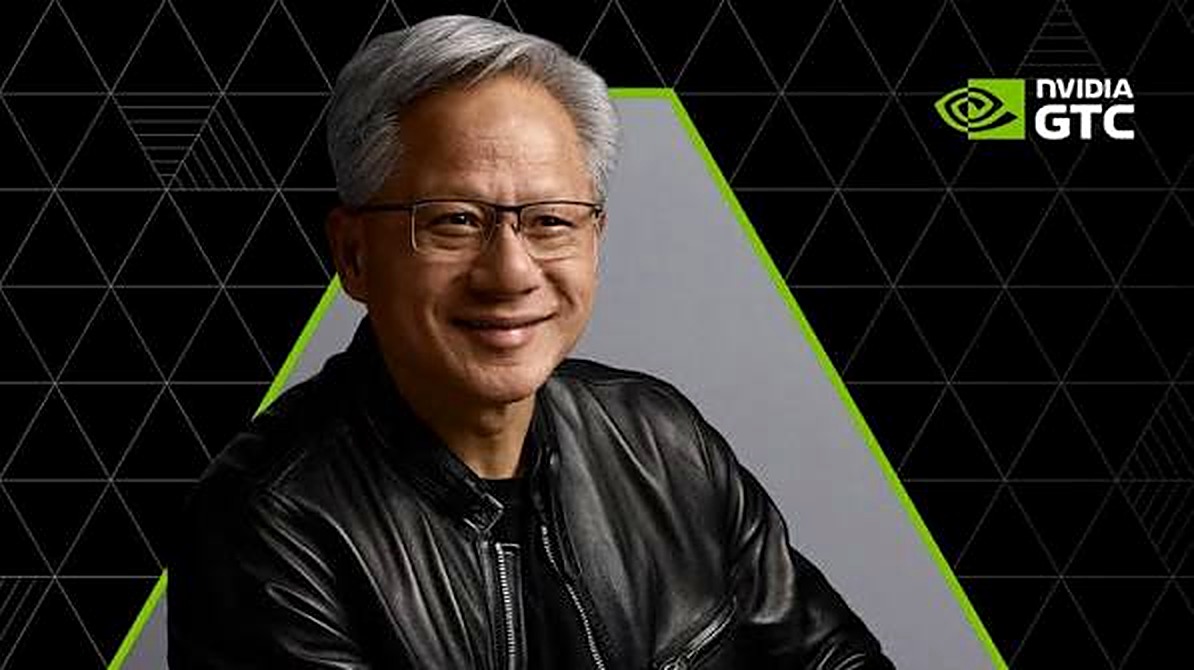
SANTA CLARA, California: Jensen Huang, the co-founder and long-serving chief executive of Nvidia, has resigned after a scandal involving reported extramarital relationships, including one with a Singapore-based businesswoman whom US authorities suspect of having links to Chinese intelligence.
Nvidia’s board accepted Huang’s resignation as president, chief executive and director on November 11, with immediate effect. The company announced the departure the following day, appointing chief financial officer Colette Kress as interim CEO while it searches for a permanent successor.
Kress will retain her finance portfolio during the transition.
“The Board has full confidence in Colette and the leadership team,” said board chair Harvey Jones, adding that the company expected its operations, customer commitments and product roadmap to continue without interruption.
The board has said it will consider both internal and external candidates for the permanent position. The departure marks a major leadership change at a company whose growth has made it one of the central players in the global artificial intelligence industry.
How the scandal unfolded
The controversy centres partly on Alice Huang, a former executive at Megaspeed, a Singapore-based data and cloud-computing company with business links to Nvidia.
US authorities reportedly suspect Alice Huang of spying for Beijing. The allegation has not been established as fact, and the company has not been found to have breached US export-control rules.
In an interview on October 29, Jensen Huang described his contact with the businesswoman as “completely normal and not unusual”.
On November 8, he acknowledged an affair in an email to staff. Nvidia’s board opened an independent investigation that day, saying it had no reason to believe national security or company secrets had been compromised.
The board initially expressed confidence in Huang. However, that position came under further pressure after reports emerged of a second relationship, this time with Kimberly Powell, Nvidia’s vice-president of healthcare.
Reuters subsequently reported that Huang had also had an intimate relationship with another employee. Nvidia declined to comment on the report, while the individuals involved did not respond to requests for comment.
ALSO READ: Microsoft outage disrupts businesses worldwide as recovery efforts falter
The affair involving Alice Huang also attracted attention in Washington because of concerns about access to advanced semiconductor technology and the potential transfer of restricted chips to China.
Singapore’s authorities have disputed reports suggesting they investigated Alice Huang or raised concerns about her personal relationship with Jensen Huang. The distinction is important: suspicions about possible espionage should not be treated as proof that Nvidia information was compromised.
Investors count the cost
The market reaction has been sharp, although Nvidia’s share price was already under pressure before Huang’s departure.
Reuters reported that the company lost about $550 billion in market value over the week in which the resignation was announced. Its shares fell as much as 14% during trading on November 12 before recovering to close 4.3% lower.
The initial sell-off reflected concerns about the leadership crisis, but also wider investor uncertainty about the sustainability of the AI boom, data-centre spending and the outlook for demand for advanced chips.
The scale of the market reaction reflects Nvidia’s importance to the technology sector. Its graphics processing units and related computing systems are widely used to train and run artificial intelligence models, making the company a major supplier to technology firms, cloud providers and governments investing in AI infrastructure.
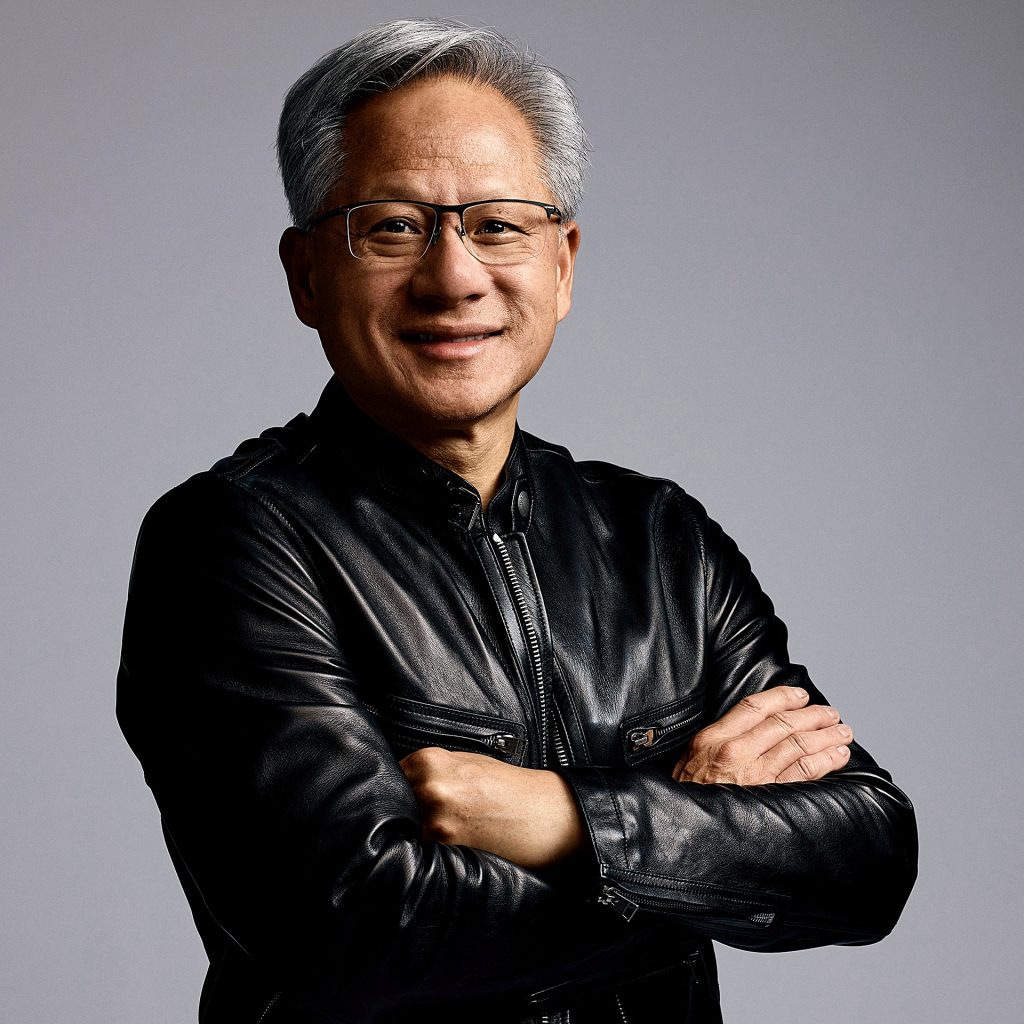
Huang had led Nvidia since co-founding it in 1993. His departure therefore raises questions not only about who will run the company, but also whether it can maintain its strategic direction and relationships with customers without the executive who has been its public face for more than three decades.
Trump weighs in on the succession
US President Donald Trump has already made his preference known.
In a post on Truth Social, Trump backed former Apple chief executive Tim Cook as Huang’s replacement.
“NOW THAT Nvidia CEO JENSEN HUANG, who has done a fantastic job, has resigned, there is only one man to take his place – TIM COOK of Apple,” Trump wrote. “A Legend replaces a Legend!”
Cook stepped down as Apple’s chief executive in September after 15 years in the role and is now executive chairman of the company.
ALSO READ: Scottish Africa Business Association Reports Growth as Trade Interest in Africa Builds
There is, however, no indication that Cook wants the Nvidia position or that the board is considering him. Trump’s endorsement does not give him a role in the appointment, which remains a decision for Nvidia’s directors.
The Financial Times has also reported that Nvidia approached Arm chief executive Rene Haas about the position. The board has not confirmed a formal engagement with any candidate, and its search remains open to internal and external applicants.
Kress is currently responsible for steering the company through the transition. She has served as Nvidia’s chief financial officer since 2013 and is familiar with its finances, operations and customer relationships.
What comes next for the AI giant?
Nvidia’s immediate test will be maintaining investor and customer confidence while the board considers its next leadership appointment.
The company is scheduled to report its third-quarter fiscal 2027 results on November 17. The results and management commentary will be closely watched for indications of whether demand for AI chips remains strong and how the leadership change could affect the company’s plans.
The transition also comes as governments and technology companies compete to secure access to the computing power needed to develop AI systems.
For countries seeking to build their own AI capacity, including South Africa, the disruption is a reminder of the concentration of power in the global technology supply chain. Nvidia is a key supplier of the advanced chips that underpin much of the current AI expansion.
President Cyril Ramaphosa is leading a South African delegation through Silicon Valley this week to engage technology companies, investors and researchers on AI investment and development.
The visit is intended to strengthen South Africa’s position in the emerging AI economy, including through investment in computing infrastructure, skills and research partnerships.
Nvidia’s leadership crisis adds another dimension to that challenge. Building local AI capacity will require more than attracting investment and developing skills. It will also mean navigating a global industry in which access to critical technology is concentrated among a relatively small number of powerful companies.
For Nvidia, the immediate priority is to convince investors and customers that the departure of its long-serving chief executive will not derail its business. For the wider AI industry, the episode has exposed the corporate, geopolitical and national security risks surrounding one of its most important suppliers.