This annual Pan-African Women’s Day (PAWD) is more than a commemoration, it is a resounding call to action to acknowledge and address the historic and continuing legacies of colonialism, slavery, apartheid, and systemic exploitation that have disproportionately impacted African women and communities.
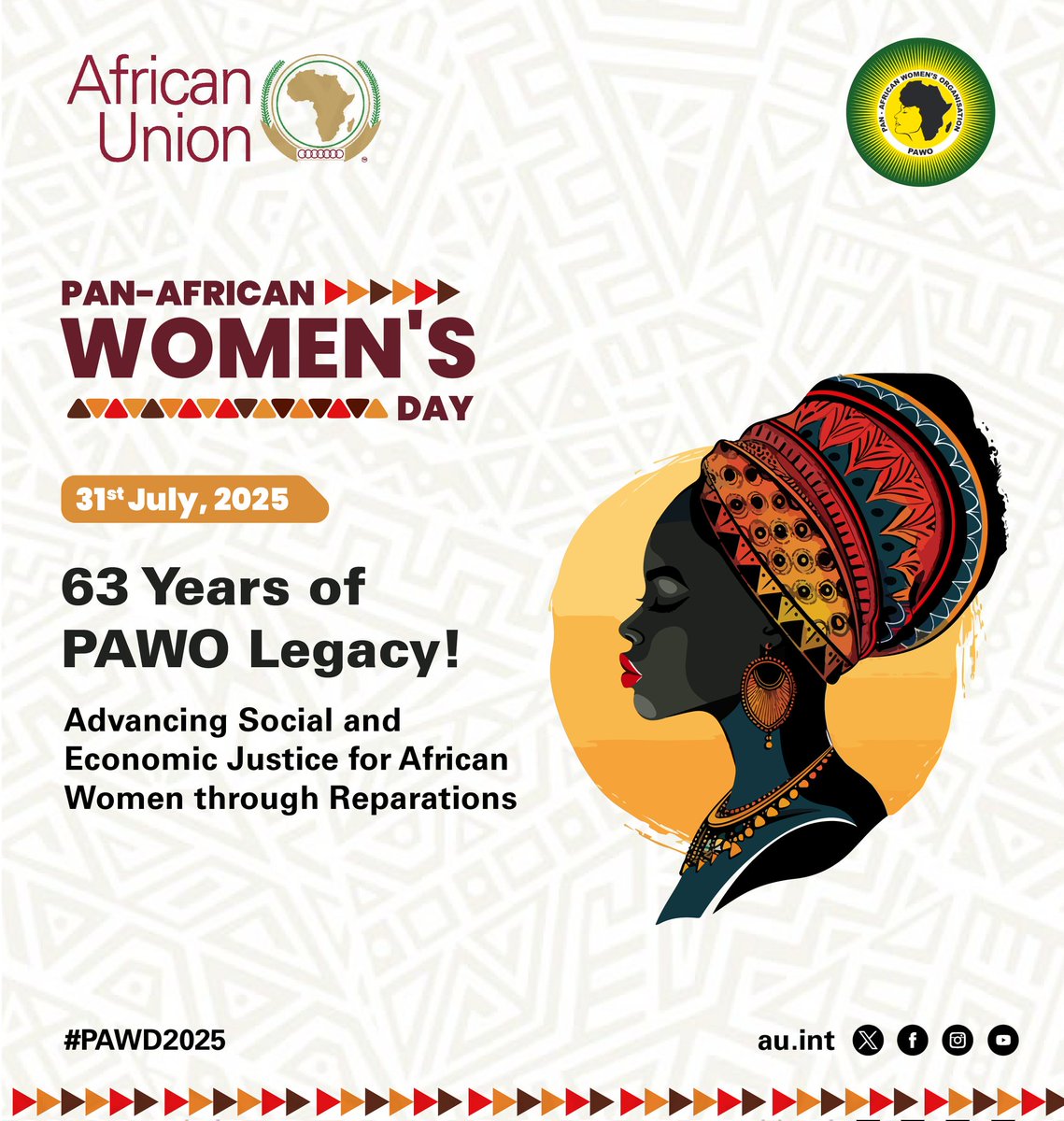
Addis Ababa, Ethiopia — As July 31st marked the 63rd anniversary of the Pan-African Women’s Organisation (PAWO), celebrations across Africa highlighted a transformative and urgent theme: “Advancing Social and Economic Justice for African Women through Reparations.”
This annual Pan-African Women’s Day (PAWD) is more than a commemoration, it is a resounding call to action to acknowledge and address the historic and continuing legacies of colonialism, slavery, apartheid, and systemic exploitation that have disproportionately impacted African women and communities.
Since its founding, PAWO has been at the forefront of African women’s emancipation, leading the charge against imperialist and patriarchal oppression while championing the cause of justice and self-determination. PAWD provides an annual moment to recognise the revolutionary contributions of African women across history: from anti-colonial struggles to contemporary movements for equality and inclusion.
READ MORE: South Sudan’s Warrap Community Takes a Bold Step Toward Ending Early and Forced Marriages
This year’s theme challenges governments, civil society, and international institutions to acknowledge the specific injustices endured by African women and to adopt comprehensive reparative justice frameworks designed to redress both historical wrongs and present-day inequalities.
Reparations as a Pathway to Social and Economic Justice
Reparations, in this context, represent both symbolic acknowledgement and concrete measures, such as financial restitution, land restitution, access to education and health, and policy reforms, to repair the systemic damages wrought by past and ongoing exploitation. The framing of reparations within PAWD 2025 seeks to:
- Address structural inequalities embedded in socio-economic systems that marginalise African women and girls.
- Promote intersectionality by considering the compounded effects of race, gender, and geography, especially for women from marginalised or conflict-affected communities.
- Elevate women’s voices in all decision-making spheres related to reparations, transitional justice, and gender equality, ensuring grassroots participation shapes policy.
Mobilising for Change: Building Capacity and Consciousness
Beyond advocacy, PAWD 2025 underscores the necessity of fostering awareness and activism among women, youth, grassroots movements, and civil society.
Through capacity-building initiatives and information sharing, communities are empowered to engage critically with reparations discourse and to mobilise toward transformative justice.
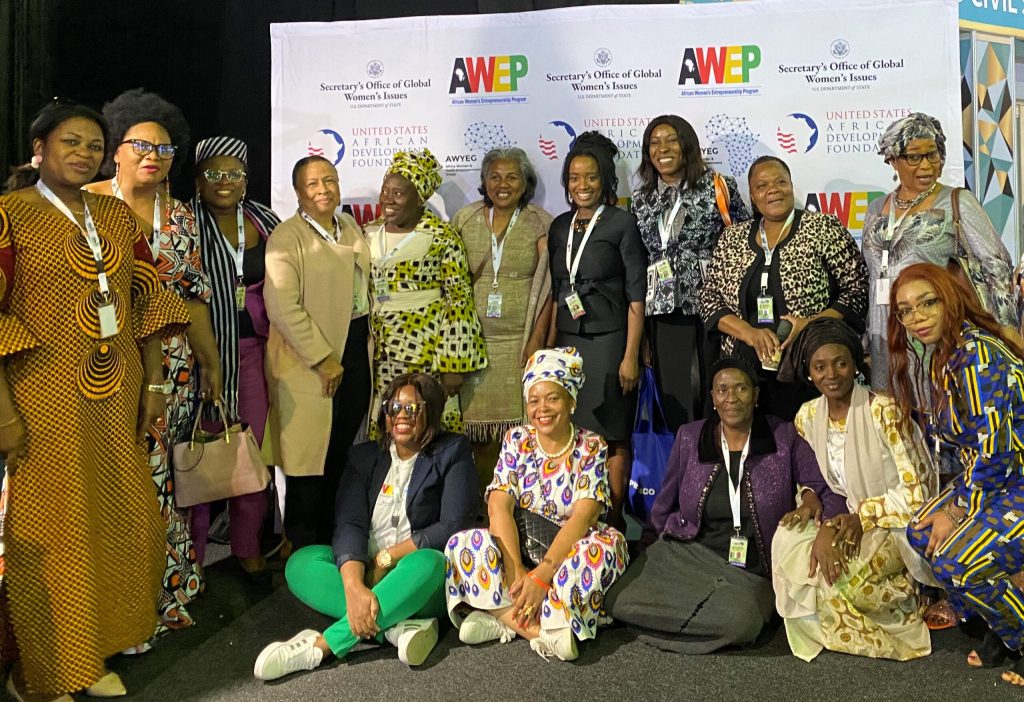
Events held continent-wide during PAWD emphasised participatory approaches, including storytelling, interactive dialogues, and knowledge exchange as pivotal tools for raising consciousness and strengthening solidarity.
Integral to advancing reparations is a deepening commitment to existing continental instruments that uphold women’s rights and protect against violence and discrimination. PAWD 2025 calls for:
- The ratification, implementation, and harmonisation of the African Union Convention on the Elimination of Violence Against Women and Girls (CEVAWG).
- Robust enforcement of the Maputo Protocol, a landmark treaty promoting women’s human rights and socio-economic empowerment.
These frameworks serve as essential levers for resistance and accountability in combating gender-based violence and systemic discrimination.
A Collective Continental Effort
PAWD 2025 reflects not only the determination of PAWO but the partnership of diverse actors: national PAWO chapters, grassroots women’s rights organisations, development agencies, and public and private sector institutions.
READ MORE: Nowhere Is Safe: Women Endure Escalating Sexual Violence in Eastern Democratic Republic of Congo
Together, these stakeholders orchestrated a series of grassroots mobilisations, strategic advocacy campaigns, and social media initiatives designed to spur action beyond symbolism and toward measurable progress.
From workshops and community dialogues to multimedia storytelling that highlights women’s experiences, the Day fostered renewed energy among African women and allies to push for transformative justice.
A Defining Moment for African Women’s Empowerment
In an era marked by both persistent challenges and growing opportunities, Pan-African Women’s Day 2025 stands as a defining moment to accelerate the movement for reparations as a pillar of social and economic justice.
Recognising the bonds between historical trauma and present inequities, it demands integrated solutions rooted in dignity, equity, and empowerment.
As Angela Dube, a grassroots activist from Zimbabwe, reflected during the celebrations, “Reparations are not just about money; they are about restoring our humanity and ensuring future generations of African women inherit a world where justice is real, not just spoken.”
The ongoing journey of PAWO and Pan-African Women’s Day calls on every level of society, from governments to local communities, to honour African women not only with words but with transformative action that repairs, empowers, and uplifts.