Delivery scooter riders have become convenient targets whenever road safety is discussed. But the criticism rarely tells the full story.




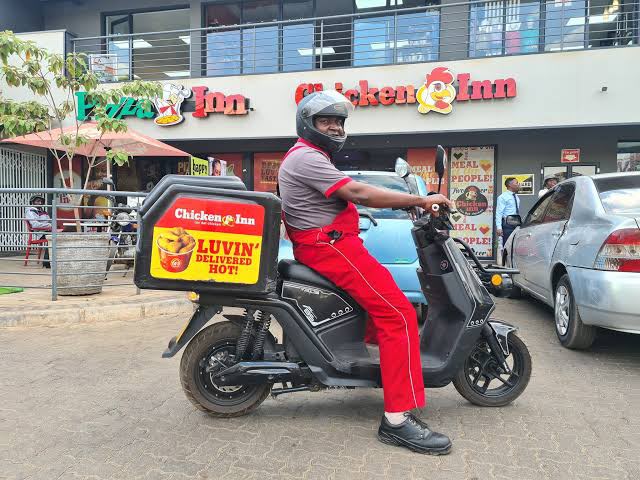
JOHANNESBURG – I’ll admit it. I’ve been that frustrated driver.
I’ve checked my phone every few minutes, wondering why my order was taking so long. I’ve sighed when the app insisted my delivery was “five minutes away”, only for those five minutes to stretch into twenty.
Like millions of South Africans, I’ve come to rely on delivery services for meals, groceries, medication and online shopping. Delivery riders have become an essential part of modern life.
I’ve also found myself muttering under my breath when a scooter squeezes between cars or darts in front of me at a traffic light.
In those moments, it’s easy to blame the rider.
Delivery scooter riders have become convenient targets whenever road safety is discussed. But the criticism rarely tells the full story.
Once the frustration wears off, another question comes to mind: why are they taking those risks in the first place?
The more I think about it, the more I realise many riders are trapped in a system that rewards speed above almost everything else.
Delivery platforms market convenience and rapid service. Riders know that every delay can affect their ratings, reduce their earnings or even limit future work. When your income depends on completing the next delivery, every traffic light can feel like money slipping away.
None of that excuses reckless riding.
READ MORE: New Cities? Old Inequalities And More Foolish Priorities
Ignoring traffic laws, speeding through intersections or cutting in front of vehicles puts everyone at risk. As a motorist, I don’t want to wonder whether the next scooter will suddenly appear in my blind spot.
But motorists also need to be honest with themselves.
Many of us who complain about delivery riders are the very customers demanding faster service. We want our food while it’s still hot and our groceries as quickly as possible, yet we rarely think about the pressure placed on the person trying to meet those expectations.
The truth is that we’ve created a culture of impatience.
And perhaps that’s the real problem.
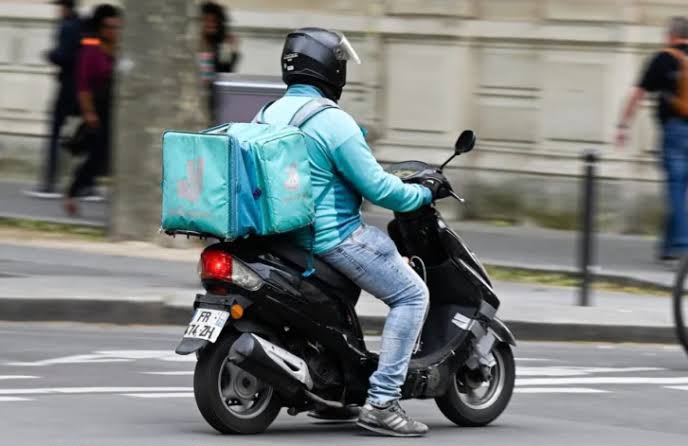
Delivery scooters are not the enemy. Our road culture is.
How often do we check our mirrors before changing lanes? How many of us glance at our phones, edge into spaces we shouldn’t or drive more aggressively when traffic builds up? A rider on a scooter has very little protection if we make a mistake.
We expect deliveries almost instantly. We become irritated when they’re delayed.
Then we become angry when riders rush to meet those expectations.
We cannot demand ever-faster deliveries while condemning the behaviour that unrealistic expectations can encourage.
Responsibility lies with all of us.
READ MORE: 2 in 3 Africans will live in cities by 2050: how planners can put this to good use
Delivery companies should set realistic delivery times instead of creating pressure through impossible deadlines. Riders must obey the rules of the road because no delivery is worth risking a life. And motorists, myself included, need to remember that the rider weaving through traffic is more than an inconvenience. They are someone trying to make an honest living in one of the most demanding jobs on our roads.
The next time my delivery is running late, I’ll probably still feel impatient. And if a scooter cuts me off, I’ll probably still feel frustrated.
But instead of seeing only an inconsiderate rider, I’ll remind myself that the problem is much bigger than the person on the motorcycle.
South Africa doesn’t have to choose between fast deliveries and safe roads.
It needs a road culture where drivers, riders, delivery companies and customers all accept responsibility for making our roads safer.
The next time a delivery scooter passes you, don’t just ask who has the right of way.
Ask whether all of us are doing our part to share the road responsibly.
Sphiwe Masilela is a freelance journalist with more than a decade of experience covering hard news, crime, metro affairs and sport. Known for credible reporting and compelling storytelling, he is passionate about producing journalism that informs, challenges and makes an impact.


