PRETORIA: The emergence of what can be described as the Nasiphization phenomenon signals a potentially significant shift in South African politics, particularly in local government. The phenomenon raises important questions about the relationship between political parties, elected representatives, governance performance and the expectations of an increasingly discerning electorate.
It also invites broader reflection on whether South African politics is gradually moving away from party-centred loyalty towards a model in which individual leadership, competence, accountability, and service delivery increasingly determine electoral support.
On 4 November, more than 15 million citizens reportedly cast their votes for various political parties, independent candidates and ward representatives. With more than 600 political parties participating, the electoral landscape reflects the growing diversity of political choices available to South African citizens.
Local government elections are particularly dynamic because they are shaped not only by national political considerations but also by local political identities, community interests, service delivery experiences and the performance of municipal leadership. In this increasingly competitive political environment, political parties can no longer assume that historical loyalty, ideological affiliation or established political structures will automatically translate into electoral support.
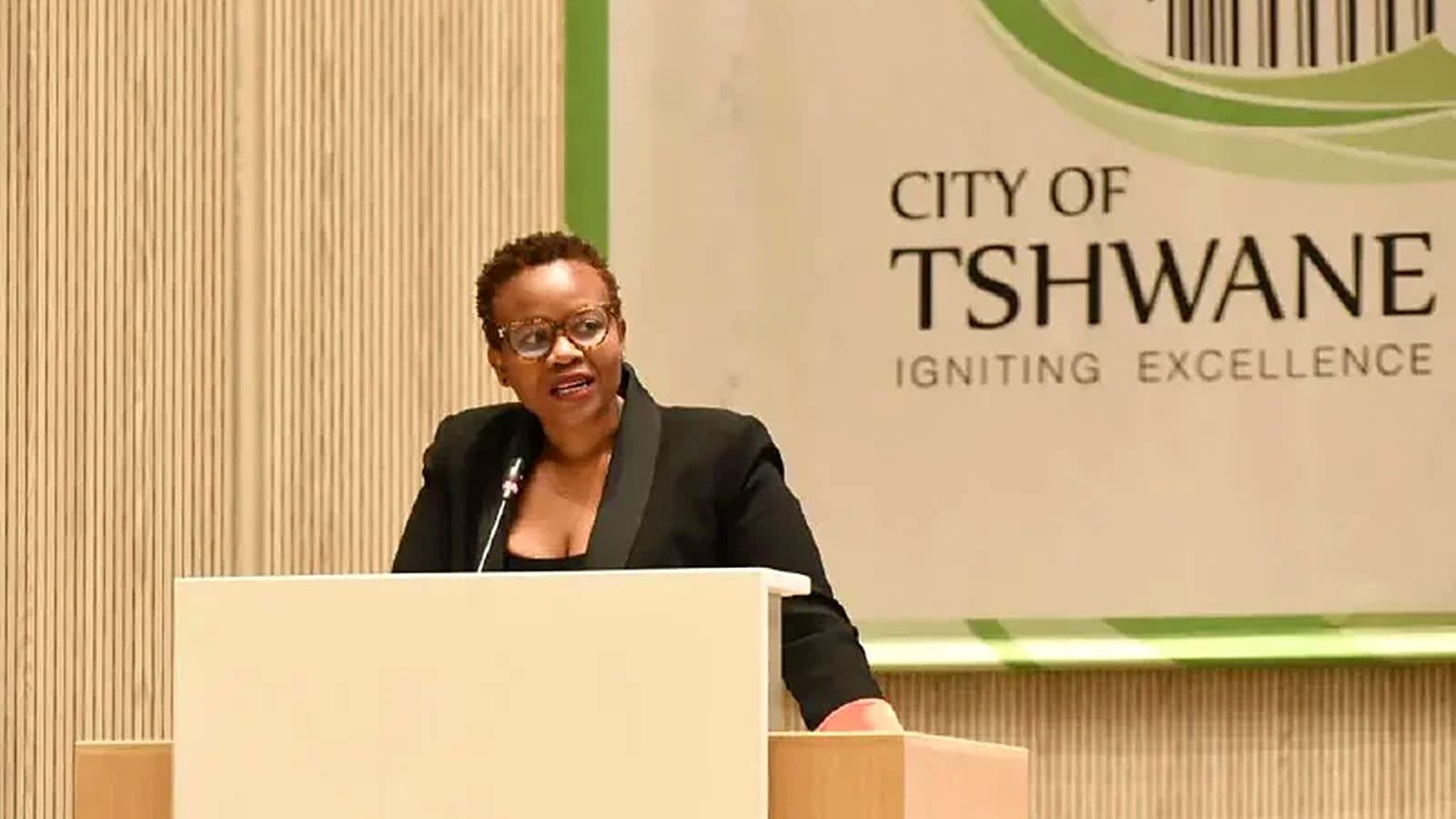
The City of Tshwane provides an interesting case study. The election of Dr Nasiphi Moya as Executive Mayor, following her tenure as Deputy Mayor, has generated a distinctive political phenomenon that I describe as Nasiphization. Interestingly, her tenure as Deputy Mayor did not generate the same level of public visibility and political recognition as her subsequent assumption of the mayoral office.
What followed was a noticeable shift in the public perception of municipal leadership, characterised by greater emphasis on accountability, responsiveness, institutional performance and the interests of residents rather than narrow party-political considerations.
At the centre of Nasiphization is the politics of personified excellence: a form of political leadership in which citizens increasingly associate the performance of an institution with the competence, visibility, accessibility and responsiveness of its principal political leader.
It is not necessarily about the glorification of an individual, but rather about the recognition that leadership matters in translating political mandates into tangible governance outcomes. Citizens want to see leaders who are accessible, who respond to their concerns, who take responsibility for institutional failures and, most importantly, who demonstrate a commitment to improving their everyday lives.

Credit must also be given to ActionSA for allowing Dr Moya sufficient political and administrative space to concentrate on the responsibilities of governing the City of Tshwane. This raises an important question about the relationship between political parties and their deployed representatives once they assume executive responsibilities.
ALSO READ: Ramaphosa urges voters to help rebuild failing municipalities in Wednesday’s elections
Political parties are understandably concerned about their electoral interests, ideological positions and organisational survival. However, these interests should not undermine the ability of elected representatives to discharge their governance responsibilities. There is a strong argument for allowing mayors and other political office-bearers to concentrate on governing rather than constantly navigating party-political contestation. Expecting political leaders to simultaneously prioritise internal party politics, electoral positioning and complex municipal administration risks compromising the quality of governance.
Perhaps this is a model that other political parties should consider. Once their representatives assume positions of executive responsibility, they should be afforded the institutional autonomy and political space necessary to govern effectively, subject to appropriate accountability mechanisms. Political parties should provide strategic direction and exercise political oversight without unnecessarily interfering in the daily administration and management of municipalities.
This distinction is particularly important as South Africa continues to debate the professionalisation of local government. The appointment and election of individuals into positions of municipal leadership should increasingly reflect considerations of competence, relevant qualifications, leadership capabilities, integrity and an understanding of public administration. Political affiliation should not become a substitute for the capacity to govern.
Nevertheless, it would be misleading to attribute the performance of Tshwane exclusively to the mayor. Dr Moya has worked with a broader political and administrative team, whose collective contribution deserves recognition. Effective municipal governance requires capable political leadership, a competent administration, functional institutions and constructive coalition arrangements.
In this regard, Tshwane also provides an opportunity to reflect on the possibilities of coalition governance. Coalition governments are often characterised by instability, ideological disagreements and competing political interests. However, the Tshwane experience suggests that coalition arrangements can potentially produce positive governance outcomes when political partners establish a shared understanding of their responsibilities, respect institutional boundaries and prioritise the interests of residents. The success of a coalition should ultimately be measured not by the number of political agreements signed but by its ability to govern and deliver.

Perhaps one of the most interesting political implications of Nasiphization is its potential electoral consequence for ActionSA. The party appears to have benefited from the public recognition and political appeal associated with Dr Moya’s mayoral leadership, including attracting support in communities and wards where its historical political presence may have been relatively limited.
This raises the possibility that voters are increasingly distinguishing between the performance of individual political leaders and the broader electoral standing of the parties they represent. In other words, citizens may be rewarding demonstrated performance rather than simply endorsing political brands. The implication is that electoral support is increasingly conditional: political parties and their representatives must earn the confidence of citizens through visible and measurable governance outcomes.
The broader message is that citizens are not necessarily demanding extraordinary political promises. They want reliable basic services, functional municipalities, accountable leadership, responsive institutions and improvements in their everyday living conditions. When political leaders demonstrate the capacity to deliver, citizens may reward them at the ballot box, irrespective of the historical political dominance of competing parties.
Nasiphization therefore invites political parties to reconsider how they understand electoral legitimacy. Electoral support cannot be sustained indefinitely through political rhetoric, ideological mobilisation or historical loyalties. It must be continuously renewed through performance.
ALSO READ: Unstable coalitions threaten service delivery as local elections near
This development also presents an important intellectual and political question for academics, public policy scholars and governance practitioners: are political parties still adequately responding to the expectations and aspirations of twenty-first-century electorates? Political parties remain important institutions of representative democracy, providing ideological direction, political organisation, electoral mobilisation and mechanisms for holding governments accountable.
However, their continued relevance cannot be taken for granted if they become more preoccupied with internal political competition and the distribution of political positions than with the governance responsibilities entrusted to them by citizens. Perhaps the emerging challenge is not whether political parties are still necessary, but whether their current organisational and operational models remain responsive to changing democratic expectations.
Experiences in other democratic contexts, including Barcelona, where independent and non-traditional political leadership has challenged established party structures, provide useful comparative perspectives on the relationship between political competence, electoral legitimacy and party politics.
Although the institutional and electoral contexts differ considerably, such experiences demonstrate the importance of examining alternative forms of political representation and leadership beyond conventional party structures.

As South Africa increasingly navigates coalition politics, the debate surrounding Nasiphization becomes particularly relevant. The country needs to move beyond the assumption that political deployment alone guarantees effective governance.
Political parties must recognise that winning elections and governing successfully are two different responsibilities. The former requires political mobilisation; the latter demands competence, institutional understanding, strategic leadership and accountability.
Ultimately, Nasiphization may represent more than the political popularity of an individual mayor. It could signal the emergence of a new political expectation in which citizens judge political leadership through its ability to translate electoral mandates into meaningful improvements in their lives.
Whether this phenomenon will endure beyond the current political moment remains to be seen. However, one lesson is already worth considering: citizens may vote for political parties, but they increasingly reward leaders who demonstrate that they know how to govern.
John Ntshaupe Molepo is an associate professor at the Tshwane University of Technology. He is also an Executive Director for the South African Association of Public Administration and Management. He writes in his personal capacity.