Washington, D.C. — A bill proposing a comprehensive review of the bilateral relationship between the United States and South Africa, with potential sanctions against South African government officials, was advanced this week by the US House Foreign Affairs Committee.
The “U.S.-South Africa Bilateral Relations Review Act of 2025” passed the committee stage with a 34-16 vote, moving the legislation closer to a possible full House vote.
The bill, introduced in April by Texas Republican Congressman Ronny Jackson, comes amid growing tensions between Washington and Pretoria, driven by disagreements over South Africa’s foreign policy, economic ties with China and Russia, and positions on Middle East conflicts.
ALSO READ: SA Slams US Over Sanctions on ICC Judges
The legislation mandates a thorough assessment of the United States’ relationship with South Africa, requiring a detailed report within 120 days after enactment. This report will identify South African government officials and leaders of the ruling African National Congress (ANC) who may be subject to sanctions based on findings of corruption, human rights abuses, or support for groups contrary to U.S. interests.
Supporters cite South Africa’s maintenance of close relations with China and Russia, among the U.S.’s geopolitical rivals, as well as Pretoria’s vocal support for the Palestinian cause, including a 2023 genocide complaint filed at the International Court of Justice against Israel as justification for reevaluating ties.
Rising US-South Africa Frictions
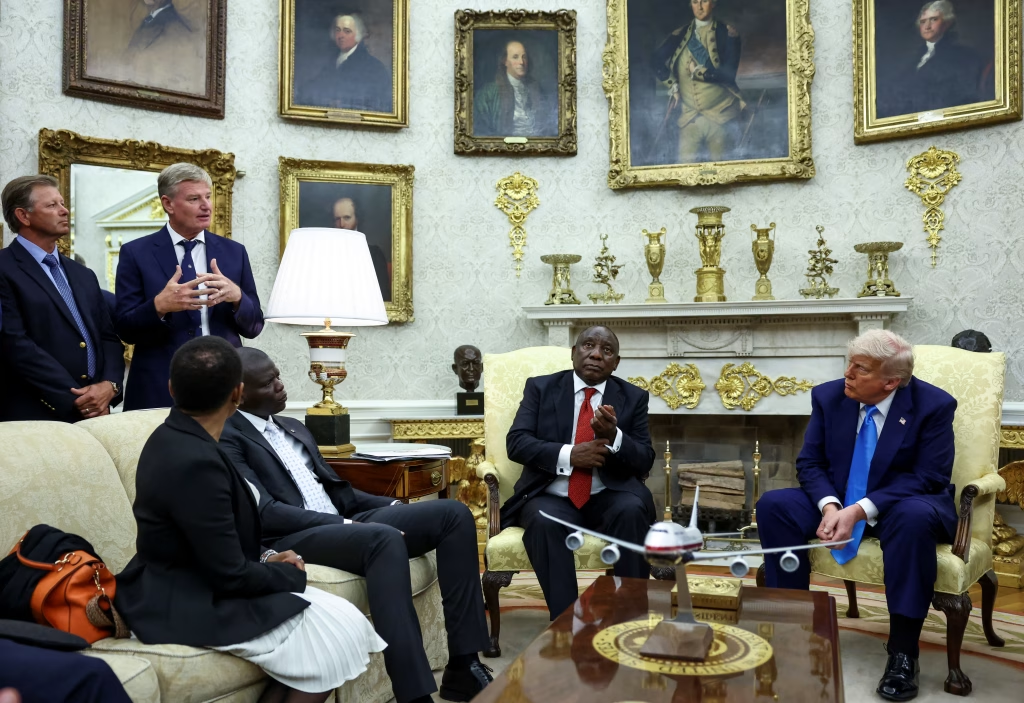
Relations between the two countries have deteriorated notably during President Donald Trump’s administration, particularly his second term in office. Trump publicly criticised South Africa’s domestic policies, alleging anti-white racism and initiating a refugee program for some Afrikaners, descendants of European settlers.
Washington has also proposed imposing tariffs on South African exports, threatening up to 30% duties, which Pretoria has denounced as inaccurate and damaging to bilateral trade.
Congressional supporters of the bill, including Congressman Jackson, accuse South Africa of siding with “communists and terrorists” and abandoning the United States and its allies. Jackson stated on social media.
“South Africa made its choice when it abandoned America and our allies and sided with communists and terrorists. The days of allowing our so-called ‘allies’ to walk all over us are over!”
South Africa’s government and President Cyril Ramaphosa’s office have so far declined official comment on the bill. Analysts warn that the legislation, if enacted, could have substantial economic and diplomatic consequences, including freezing of assets belonging to targeted officials, travel bans, and pressure on trade relations under key frameworks such as the African Growth and Opportunity Act (AGOA), which historically has provided South African exports preferential access to the U.S. market.
ALSO READ: Trump’s Unpredictable Tariff Policies Leave US Diplomatic Standing Shaken
International relations expert Dr. Kingsley Makhubela highlighted the bill’s broader implications.
“These sanctions and policy shifts could disrupt investment flows and complicate South Africa’s strategic position,” he said, noting internal political divides within South Africa impair cohesive foreign policy responses to growing US pressure.
Legislative Process
While the bill’s advancement through the Foreign Affairs Committee is significant, it still must pass the full House, win Senate approval, and receive presidential assent. Many bills do not make it through these stages, but the committee’s vote reflects heightened congressional concern over South Africa’s geopolitical stance.
The move to tie sanctions and comprehensive review to South Africa’s foreign policy echoes a larger trend of U.S. scrutiny of African nations cultivating ties with China and Russia. South Africa’s balancing act, advocating for sovereignty and non-alignment while maintaining economic and diplomatic relations with global powers, is increasingly tested by polarising international dynamics.
The U.S.-South Africa Bilateral Relations Review Act epitomises the growing complexities in U.S.-Africa relations, where economic, political, and human rights considerations intertwine with shifting global power alignments.
For South Africa, known as Africa’s most industrialised economy and a regional leader, navigating these turbulent waters will require diplomatic finesse and a clear articulation of national interests amid external pressures.