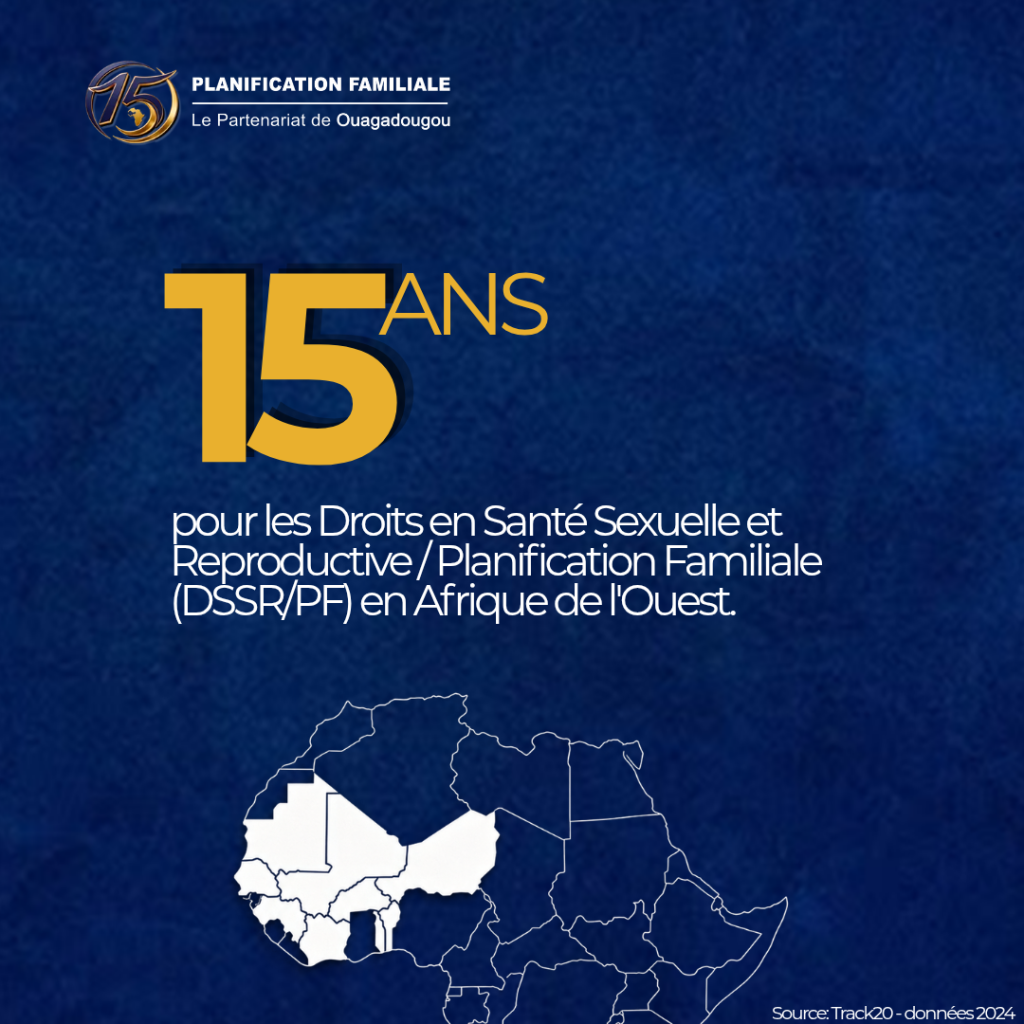
DAKAR – Fifteen years after nine West African countries joined forces to expand access to family planning, the Ouagadougou Partnership is urging governments to take greater responsibility for funding services as international support declines.
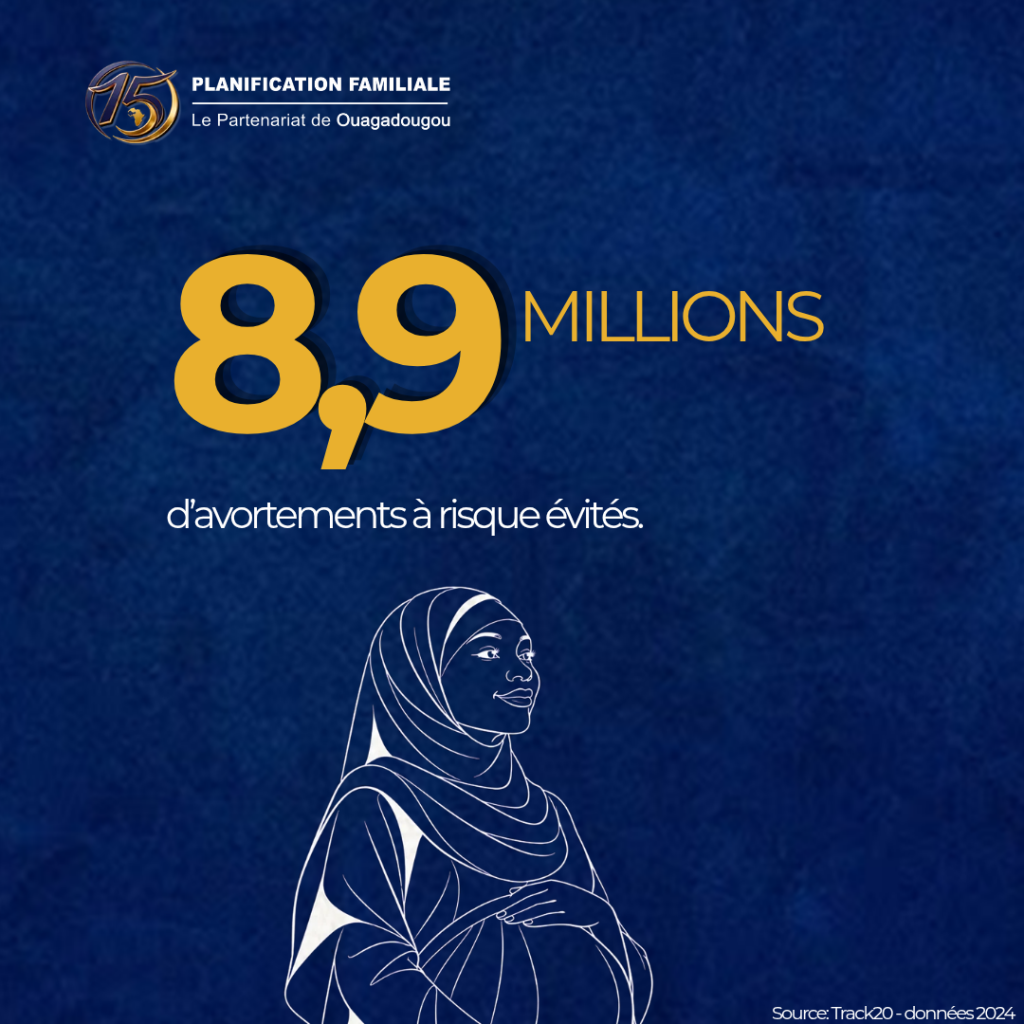
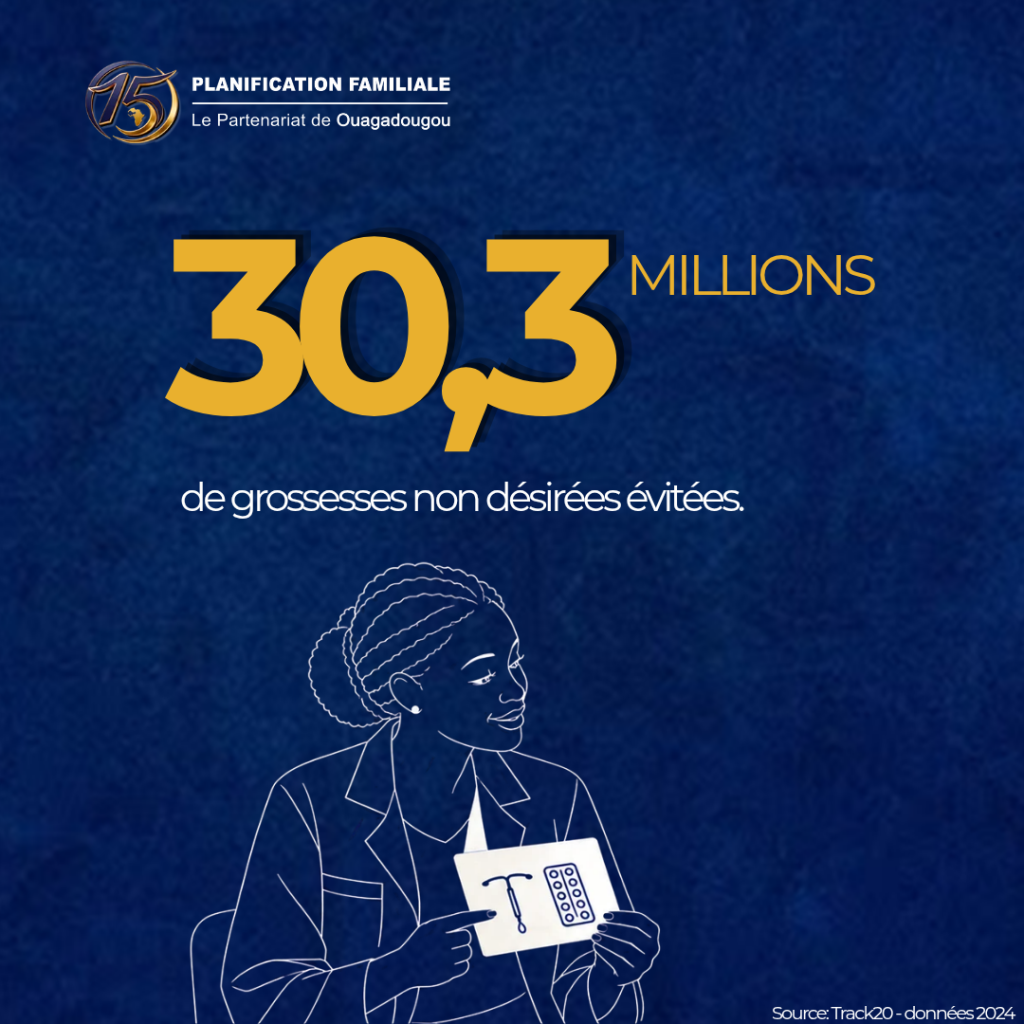
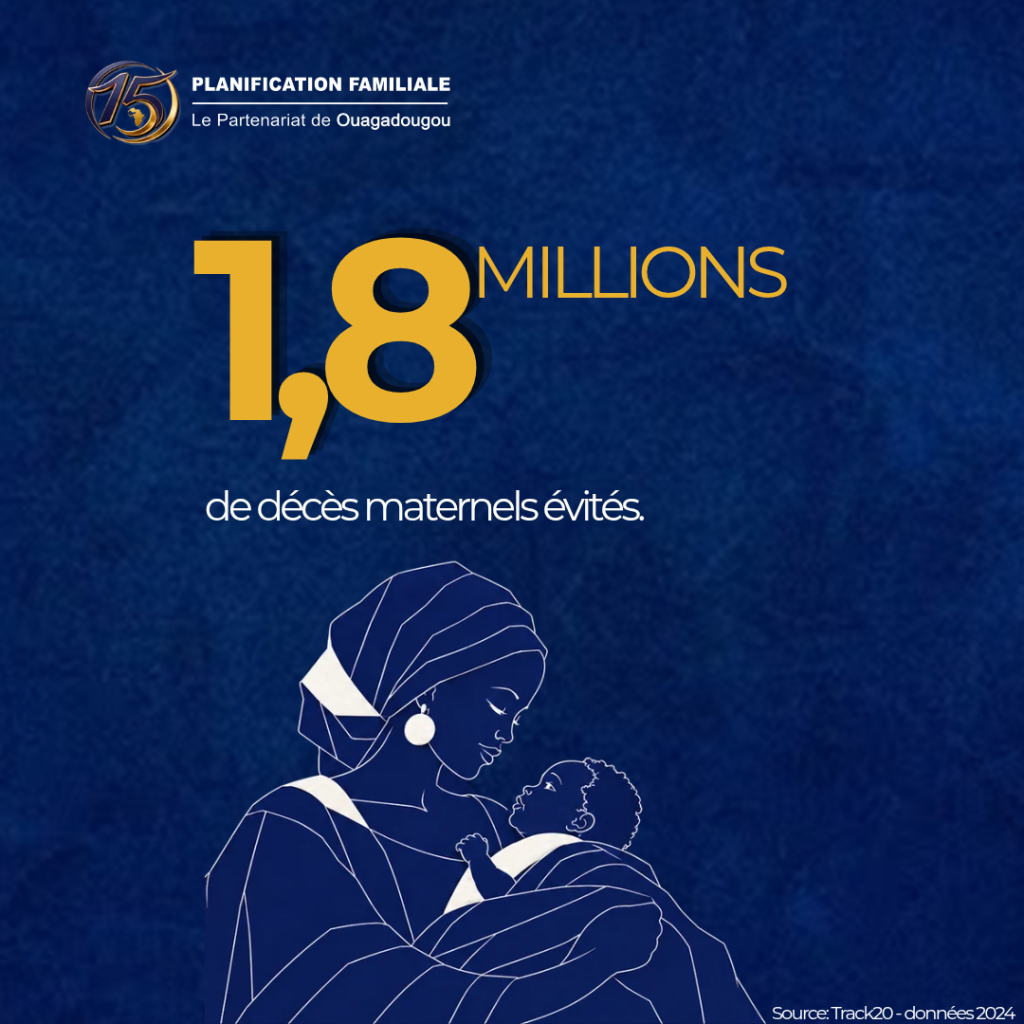
In an anniversary review released on Monday, the alliance estimated that its work had helped avert 30.3 million unintended pregnancies, 8.9 million unsafe abortions and approximately 1.8 million maternal deaths between 2011 and 2025. The figures are the partnership’s estimates of its contribution to regional progress.
Launched in February 2011 in Burkina Faso’s capital, the partnership brings together Benin, Burkina Faso, Côte d’Ivoire, Guinea, Mali, Mauritania, Niger, Senegal and Togo.
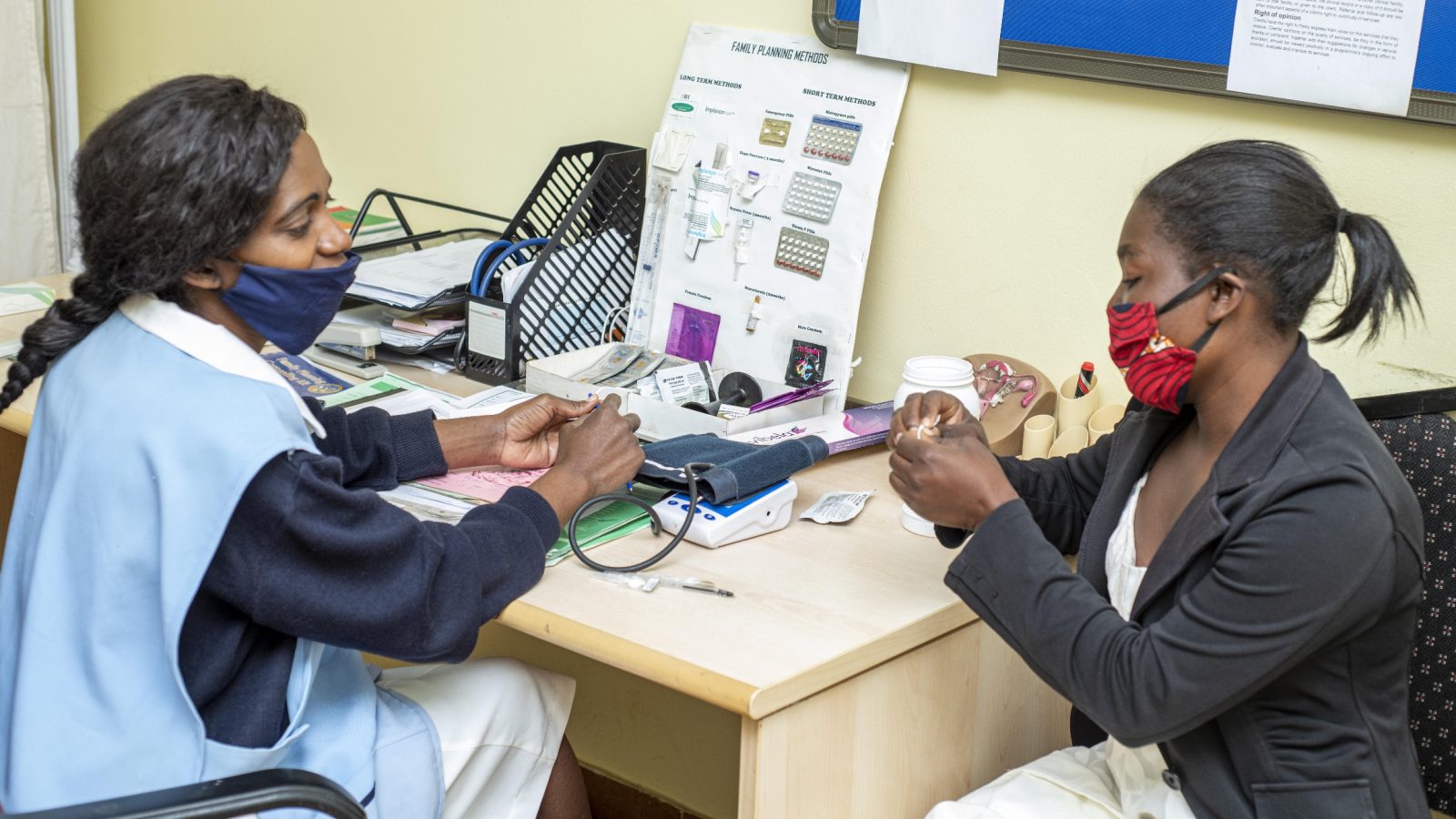
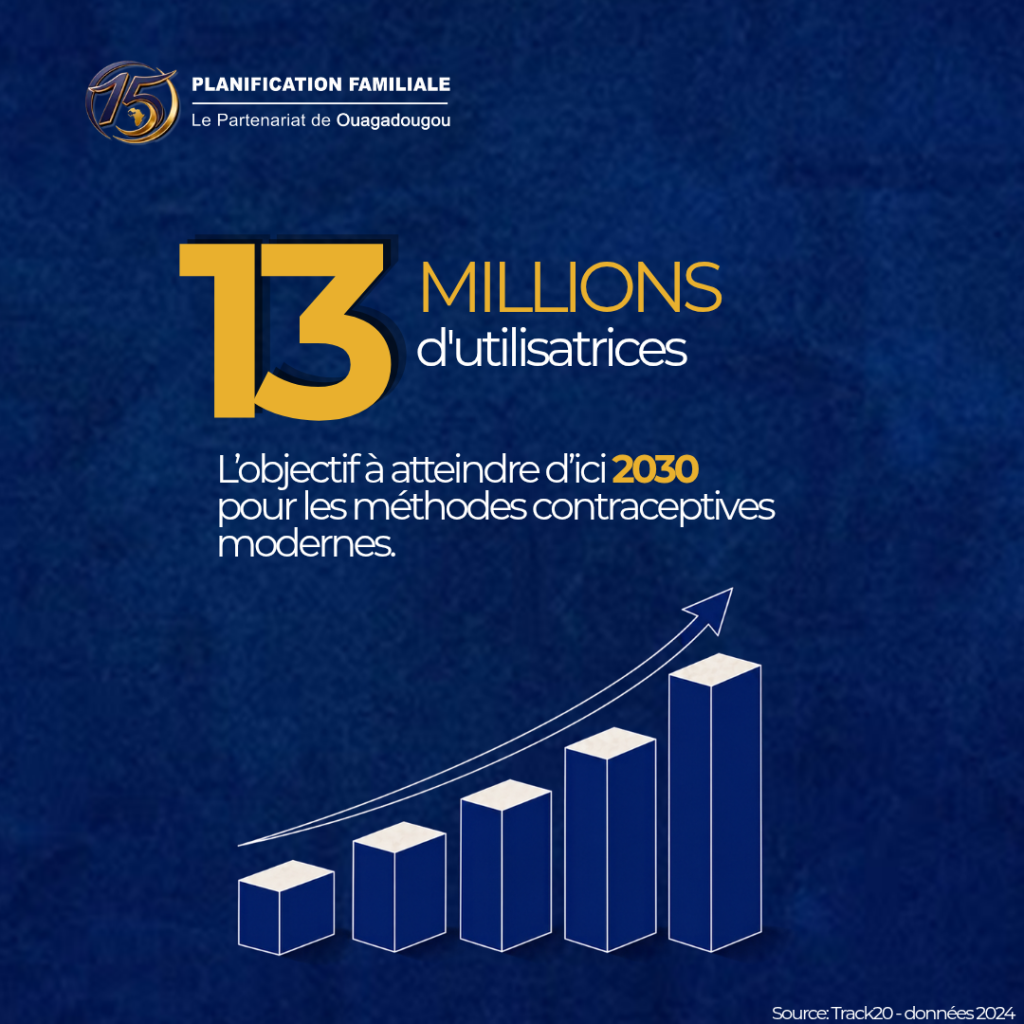
Its Dakar-based coordination unit says the countries have added about four million users of modern contraceptive methods over that period. The ambition is to reach 13 million female users by 2030.
But sustaining that progress will require governments to turn commitments into reliable budgets, while ensuring women and young people can continue accessing services.
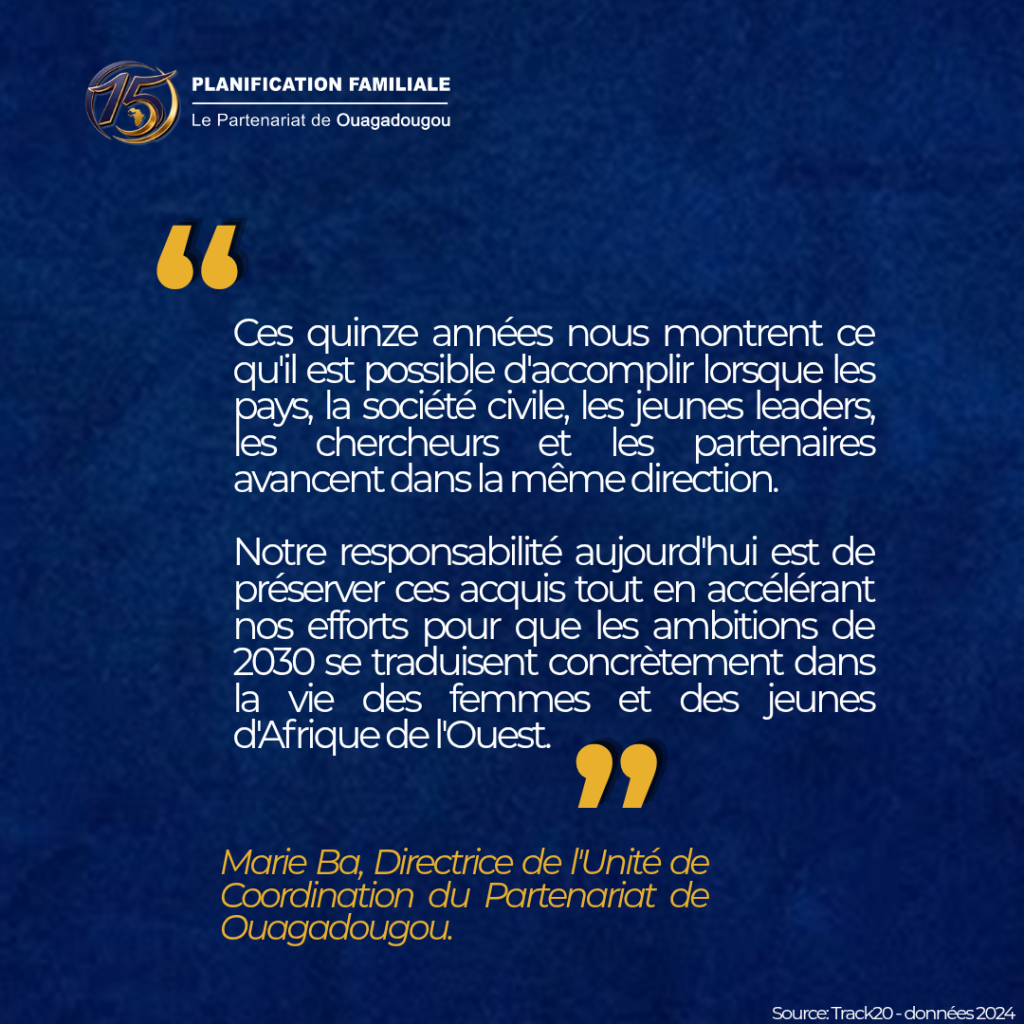
“These fifteen years show what can be achieved when countries, civil society, young leaders, researchers and partners work hand in hand. Our responsibility today is to preserve these gains while accelerating our efforts so that the 2030 ambitions translate concretely into the lives of women and young people in West Africa,” said Marie Ba, director of the Ouagadougou Partnership Coordination Unit.
Fifteen years of expanding contraceptive access
The partnership emerged from a regional conference on population, development and family planning at a time when modern contraceptive use was low and many women who wanted to avoid pregnancy lacked access to suitable methods.
Its initial goal was to reach one million additional voluntary users of modern contraception by 2015, followed by another 2.2 million by 2020.
The approach brought governments, donors, researchers and civil society into a shared framework, with an emphasis on voluntary, informed choices. Religious leaders and young people also gained space to shape discussions and press governments to honour their commitments.
According to the anniversary review, all nine countries now have national family planning action plans, or broader reproductive, maternal, newborn, child and adolescent health plans, either under implementation or being renewed.
Those policies have helped establish family planning as a continuing public health priority. The challenge now is to secure the resources needed to deliver them.
Free contraception and stronger national funding
Niger, Burkina Faso and Côte d’Ivoire now provide family planning methods free of charge nationwide, the review says. Guinea is considering a similar policy, while the other member states provide access at costs the partnership describes as relatively controlled.
Some governments have also increased domestic funding.
At the partnership’s 2023 annual meeting in Côte d’Ivoire, the Ivorian prime minister announced an increase in the national budget for purchasing family planning products from 400 million to 2.5 billion CFA francs, more than six times the previous allocation.
In Mali, an employers’ fund has been established to support reproductive health and family planning.
The alliance has also invested in locally led research. Since launching its research agenda in 2022, it has funded eight projects led by West African institutes, with findings being used to inform public policy.
The aim is to give governments evidence drawn from the communities their programmes serve, helping them identify gaps and direct resources where they are most needed.
Funding pressure puts young people at risk
Declining international financing threatens the continuity of services and has made stronger national funding increasingly urgent. The partnership has identified the retreat in external support as a central concern ahead of its December annual meeting.
Young people remain particularly vulnerable because their contraceptive needs are already less likely to be met.
A Guttmacher Institute fact sheet published in December 2020 found that modern methods met 40% of adolescents’ demand for contraception across the partnership countries, compared with 47% among all women of reproductive age.
It also estimated that 39% of the 1.5 million pregnancies occurring among adolescents each year were unintended. These are earlier estimates, rather than a measure of conditions in 2026, but they illustrate the access gaps the partnership has been working to close.
Public attitudes present another obstacle.
ALSO READ: Uganda MPs demand staff, medicines and power as UgIFT health centres struggle to open
An Afrobarometer analysis published in February 2026 found that 63% of respondents across seven partnership countries supported women’s freedom to decide whether and when to marry. Only 42% supported women’s autonomy over the number and timing of their children.
Support for access to contraception regardless of marital status or age was also below half, underscoring the need for continued community engagement alongside better services.
Governments urged to turn promises into budgets
The funding squeeze is reshaping the partnership’s strategy.
At a ministerial roundtable in New York on 24 September, held alongside the 81st United Nations General Assembly, Ba argued that governing “means making choices”.
In an opinion piece published around the meeting, she called for a shift from excessive reliance on external financing towards stronger national ownership, while protecting accessible, quality services for women and young people.
The approaches discussed included integrating family planning into primary health care, securing resources through programme-based budgeting, strengthening community health services and exploring innovative financing.
The anniversary review makes a similar appeal: commitments must become lasting budget allocations and public policies.
It calls for greater domestic resource mobilisation, continued support for civil society, closer attention to young people’s needs and wider use of research in government decisions.
The partnership also links access to family planning with girls’ education, women’s participation in the economy and poverty reduction. The ability to decide whether and when to have children can shape a woman’s opportunities well beyond the health system.
Guinea meeting to set the course towards 2030
Member countries and their partners will meet in Conakry, Guinea, from 1 to 3 December under the theme “Investing in family planning for a resilient West Africa”.
The meeting will review the alliance’s achievements and set priorities towards 2030 against a backdrop of declining international funding.
“The next five years will be decisive,” the partnership said.
Its appeal is for governments, donors, civil society, researchers, the media and young people to sustain the effort, ensuring that the gains of the past 15 years translate into continued access to quality services.