Eswatini is deepening its partnership with the IAEA as it explores small modular reactors for future energy needs while advancing its first public radiotherapy facility and using nuclear science to tackle water scarcity and food security.
MBABANE – Eswatini is deepening its partnership with the International Atomic Energy Agency (IAEA) as the kingdom explores nuclear science and technology to address some of its most pressing development challenges, including energy security, cancer treatment, water scarcity and food production.
The country is also exploring the potential of small modular reactors (SMRs) as part of its longer-term energy strategy, while work is advancing on Eswatini’s first public radiotherapy facility at Manzini Government Hospital.
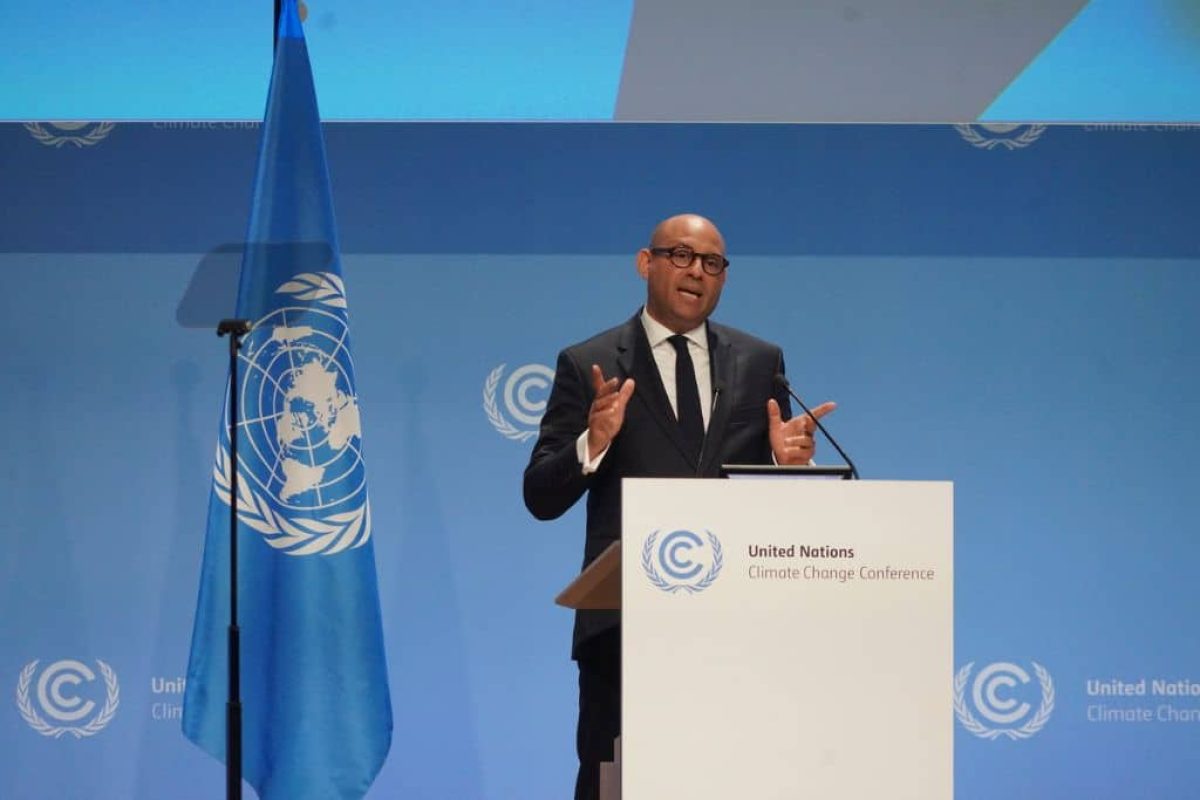
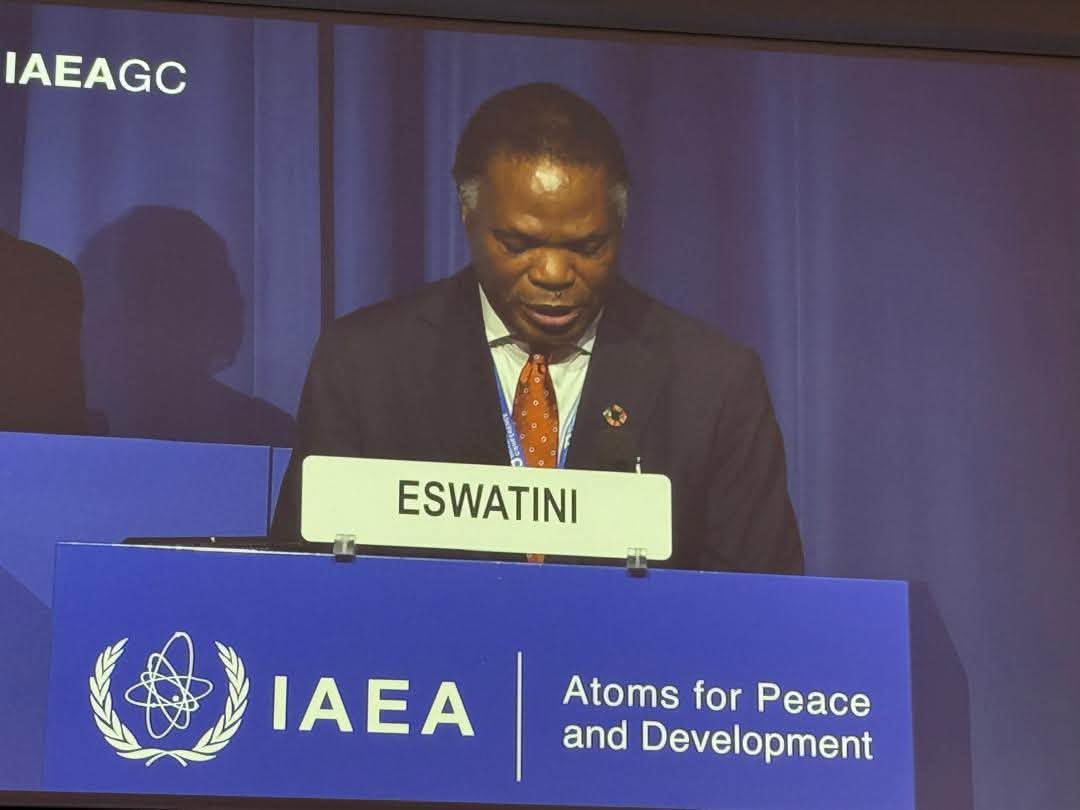
His Royal Highness Prince Lonkhokhela, Minister of Natural Resources and Energy, outlined the country’s priorities while delivering Eswatini’s Country Statement at the 70th Regular Session of the IAEA General Conference in Vienna, Austria.
The Minister conveyed greetings from King Mswati III and the people of Eswatini and expressed appreciation for the IAEA’s continued support in healthcare, agriculture, water resource management, nuclear safety and sustainable energy development.
SMRs on Eswatini’s energy agenda
Energy security emerged as one of the key areas of Eswatini’s engagement with the IAEA.
Prince Lonkhokhela said the country was exploring the potential of small modular reactor technology, which has attracted growing interest internationally as an alternative to conventional large-scale nuclear power stations.
The technology involves smaller nuclear reactors that can potentially be deployed in stages and are designed to require less upfront investment than traditional large nuclear plants.
ALSO READ: Eswatini Takes Centre Stage as Shakantu Prepares to Lead SADC Security Organ
The Minister stressed, however, that any future consideration of nuclear power would have to comply with Eswatini’s commitments to nuclear non-proliferation, safety, security and international safeguards.
Eswatini also welcomed its inclusion in the IAEA’s RAF-2016 Project, a regional technical cooperation initiative aimed at helping African countries develop the capabilities and infrastructure required for potential future nuclear power programmes.
For Eswatini, the nuclear power discussion remains a longer-term consideration, while several other applications of nuclear science are already producing or moving towards practical outcomes.
First public radiotherapy facility planned
One of the most significant developments highlighted by the Minister was progress towards establishing Eswatini’s first public radiotherapy facility.
With technical guidance from the IAEA, the country has completed preliminary designs as well as environmental, social and geotechnical assessments for the facility, which is planned for Manzini Government Hospital.
The project is expected to cost approximately €10 million to construct and equip.
The facility could significantly change access to cancer treatment in the kingdom, where patients requiring radiotherapy have historically had to travel outside the country, often to South Africa.
Prince Lonkhokhela called for continued IAEA assistance through specialist fellowships and multidisciplinary training to ensure Eswatini has the skilled personnel required to operate the facility once it is completed.
Nuclear science being used to tackle water shortages
Eswatini is also using nuclear techniques to improve its understanding and management of water resources.
The kingdom reaffirmed its participation in the IAEA’s Water Availability Enhancement Initiative (IWAVE) and highlighted work on a National Hydrological Gap Plan.
Through specialised equipment, technical training, scientific visits and isotope hydrology expertise, the IAEA has been supporting Eswatini’s ability to assess both domestic and shared water resources.
Isotope hydrology can help scientists establish how water moves through groundwater systems, including identifying sources, recharge patterns and the age of groundwater. This information can strengthen long-term planning, particularly in areas where conventional hydrological data is limited.
The work comes as changing rainfall patterns and prolonged dry periods continue to place pressure on water supplies and agriculture across Southern Africa.
Nuclear techniques targeting food insecurity
Agriculture is another area where Eswatini is applying nuclear science.
The Minister highlighted progress in developing early-maturing, high-yielding cowpea mutant lines through nuclear mutation breeding.
The technique uses radiation to induce genetic variation in crops, allowing scientists to identify and develop varieties with desirable characteristics such as improved yields, shorter growing periods and greater resilience.
Eswatini also expressed interest in joining the IAEA-FAO Atoms4Food Initiative, a joint programme of the IAEA and the United Nations Food and Agriculture Organization that promotes nuclear and related technologies to improve food security and climate-resilient agriculture.
For a country where agriculture remains vulnerable to drought and changing rainfall patterns, the technology is being positioned as one tool for strengthening food production.
Strengthening nuclear safety oversight
As the country expands its use of nuclear and radiation technologies, Eswatini is also putting greater emphasis on regulation and safety.
Prince Lonkhokhela said an independent Nuclear Radiation Safety Regulatory Authority had been established in line with IAEA standards.
Government is also working to strengthen the policy and legislative framework governing nuclear and radiation safety, while allocating domestic resources towards establishing and sustaining the regulatory institution.
The development of an effective regulatory system will be particularly important if Eswatini moves beyond the use of nuclear techniques in medicine, agriculture and water management towards nuclear power generation.
IAEA backs deeper cooperation
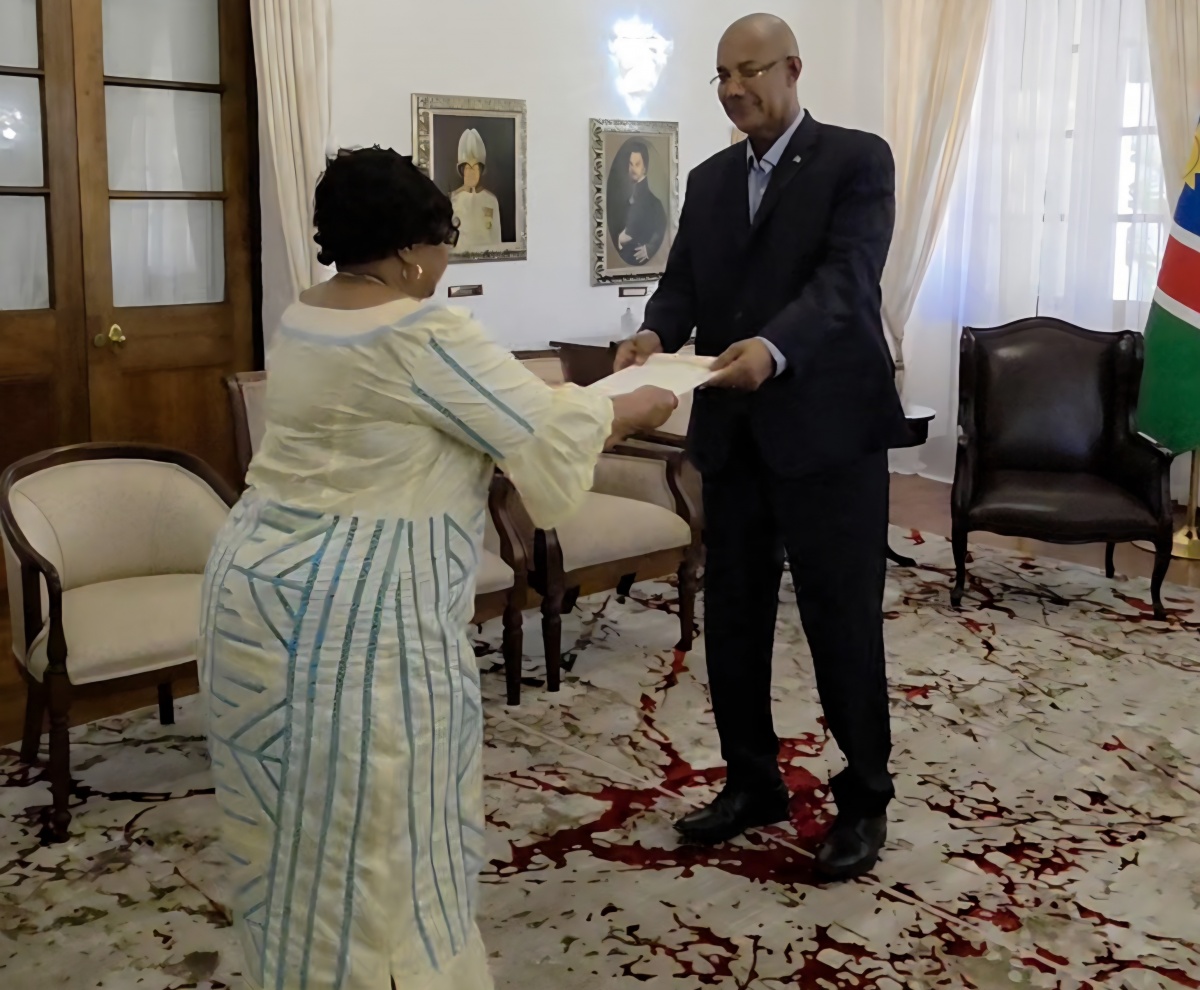
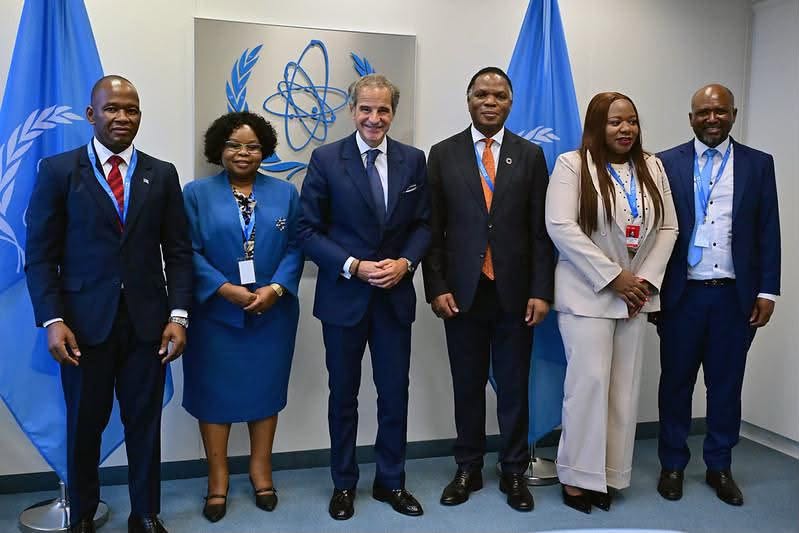
Following the Country Statement, Prince Lonkhokhela held a bilateral meeting with the IAEA Director General in Vienna.
The discussions focused on strengthening cooperation in healthcare, nuclear safety, agriculture, water resources and sustainable energy.
ALSO READ: Why King Mswati’s New SADC Security Role Matters
The IAEA Director General reaffirmed the agency’s readiness to support Eswatini in establishing its nuclear regulatory body and training officers in nuclear and radiation safety standards.
The agency also confirmed continued support for the proposed Manzini radiotherapy facility and other peaceful applications of nuclear science and technology.
Eswatini to host SADC Sustainable Energy Week
Eswatini is also positioning itself as a regional platform for discussions about the future of sustainable energy.
Prince Lonkhokhela announced that the kingdom will host SADC Sustainable Energy Week from 15 to 19 March 2027.
He invited the IAEA Director General and his team to participate through exhibitions, technical engagements and speaking opportunities.
The event is expected to bring regional stakeholders together to discuss sustainable energy solutions and emerging technologies that could help address Southern Africa’s energy challenges.
Eswatini’s engagement with the IAEA extends well beyond the question of nuclear power.
The kingdom is using nuclear science and related technologies in areas with immediate development needs, from groundwater assessment and crop improvement to cancer treatment and radiation safety.
Its interest in SMRs, meanwhile, signals a longer-term ambition to examine whether nuclear power could form part of the country’s future energy mix.
For now, the most immediate milestones are likely to be the establishment of the country’s nuclear regulatory system and progress towards the Manzini radiotherapy facility.
Together, these initiatives point to a broader shift in how Eswatini is approaching nuclear technology: not simply as a potential source of electricity, but as a scientific tool that could support healthcare, food security, water management and sustainable development.