KIGALI: Formula 1 is coming back to Africa. The sport announced on Tuesday that it has signed a 10-year agreement with Rwanda to host the Formula 1 African Grand Prix, which is expected to join the calendar in the early 2030s.
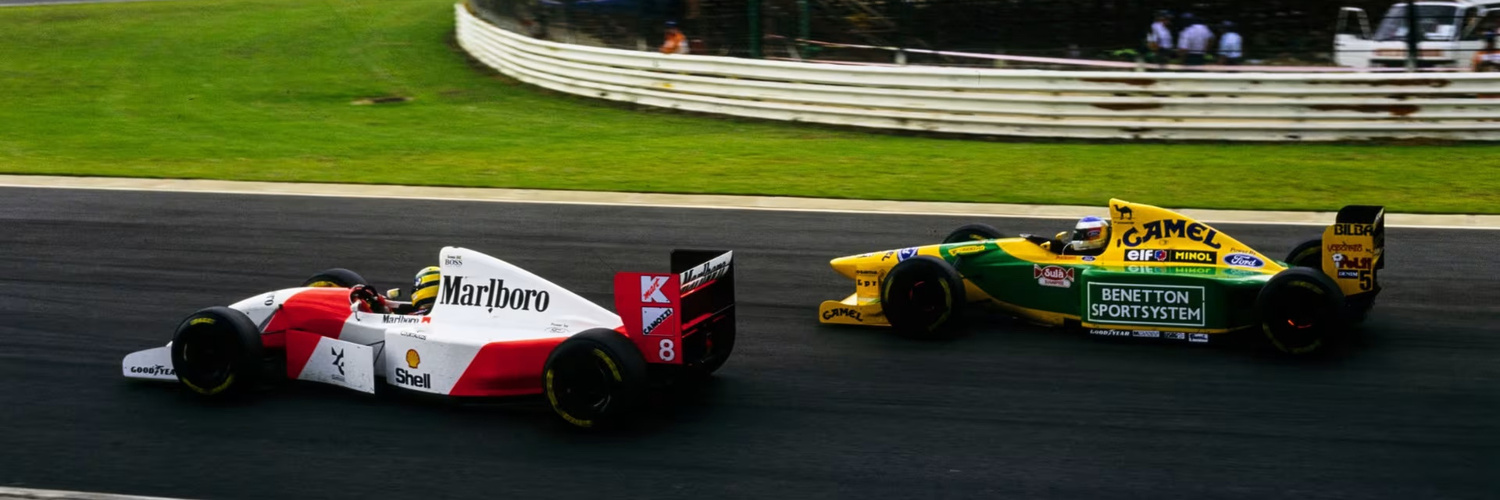
It will be the first F1 race on the continent since the 1993 South African Grand Prix at Kyalami, outside Johannesburg.
The race, presented by Visit Rwanda, will be held at a new purpose-built circuit in Bugesera, about 40km south of the capital, Kigali. The first race will take place once the track is finished, which F1 said is expected to be early in the next decade. No date has been set.
“Today belongs to Africa,” said Rwandan President Paul Kagame. “For more than three decades, the world’s premier motorsport championship has raced without this continent, and that changes with this agreement.”
A circuit built into the landscape
The circuit will be built to FIA Grade 1 standard, the level required to host Formula 1. It forms part of a wider sports, tourism, infrastructure and commercial development led by the Rwanda Development Board.
It will sit next to the new Kigali International Airport in Bugesera, a project in which Qatar Airways holds a majority stake. F1 said the track would use the area’s natural changes in elevation to create “a unique and challenging racing experience” while giving fans good views of the action.
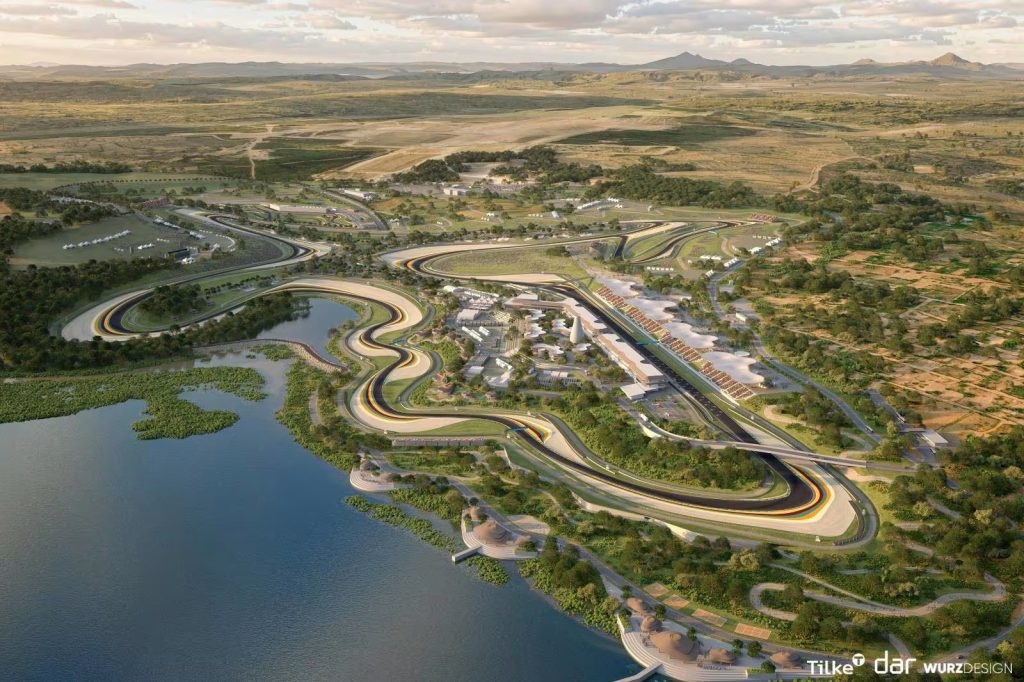
Artist’s impressions released with the announcement show a flowing layout running alongside a lake, with grandstands along the main straight. The designs carry the names of Tilke, the firm behind many modern F1 circuits, along with Dar and Wurz Design.
Beyond race weekends, the venue is meant to operate all year as a destination for international motorsport, major events, conferences and entertainment.
Further details, including the date of the first race and milestones for building the circuit, will be announced later, F1 said.
ALSO READ: Lando Norris seals F1 world title after tense Abu Dhabi finale
Why Africa, and why now
F1 says Africa is one of its biggest growth opportunities. According to the sport, more than 100 million fans already follow it across the continent, and almost 60% of fans in key sub-Saharan markets are under 35.
“With Rwanda joining the calendar from the next decade, our sport will race in every inhabited continent, bringing the World Championship closer than ever to fans around the globe,” said Stefano Domenicali, president and chief executive of F1.
“Africa has always been part of Formula 1’s future, and from the beginning we were determined to return in the right way, with the right partner, a long-term commitment and a clear vision for creating meaningful impact,” he said.
FIA President Mohammed Ben Sulayem called the deal “a historic moment for our sport”. He said Rwanda had “demonstrated a strong commitment to delivering a world-class event”, and that the FIA would work with F1 to develop the circuit “to the highest international standards”.
Seven-time world champion Lewis Hamilton, the only Black driver in F1, has long campaigned for a race in Africa and has said he spent years “fighting in the background” for one. Now 41, he is unlikely to still be racing when the first African Grand Prix is held.
Rwanda’s bet on sport
The deal caps a campaign that Kagame launched publicly in December 2024, when Kigali hosted the FIA General Assembly and the FIA Awards ceremony, and he confirmed that Rwanda was bidding for a Grand Prix.
It is the latest in a series of major international events the country has hosted, including the UCI Road World Championships, the 2023 FIFA Congress and the Basketball Africa League. Through its Visit Rwanda brand, the government has also sponsored major European football clubs.
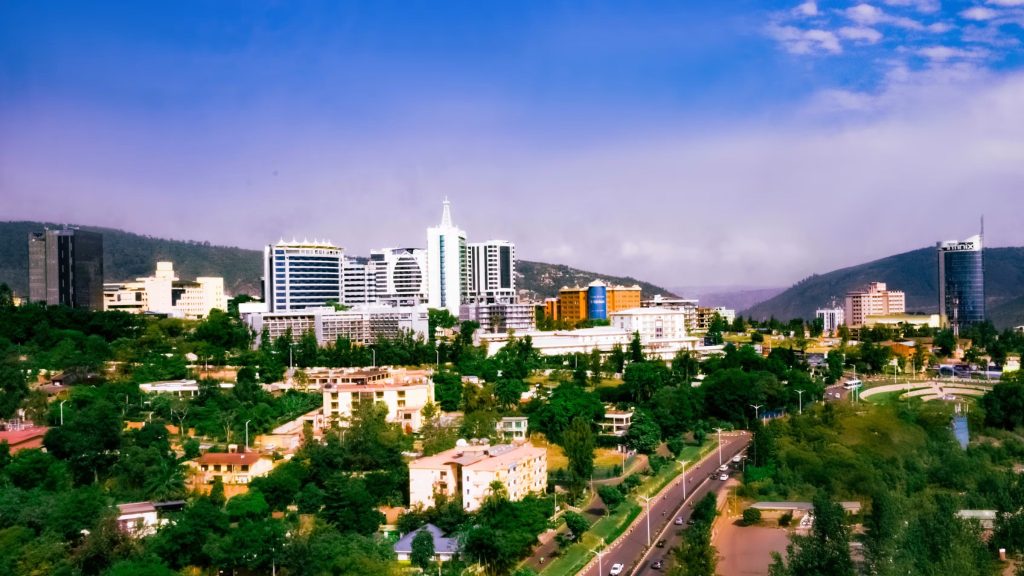
Kagame said the race would be about more than a single weekend. “The circuit in Bugesera, alongside the new international airport, will bring jobs, skills, tourism and new business to our country and our region for decades to come, because our aim was never a single race weekend, but a lasting benefit for our people,” he said.
He said young Africans “deserve to see the sport at home and to see themselves in it: as engineers, technicians, entrepreneurs and, one day, drivers.”
Neither F1 nor the Rwandan government disclosed the cost of the circuit or the value of the hosting agreement.
ALSO READ: F1 2026 line-ups confirmed in full: Who is on the grid for next season?
Questions over human rights and Congo
The deal is likely to bring fresh scrutiny of Rwanda’s record. Human rights groups have accused the government of using sport to improve its image abroad. Amnesty International has described the Visit Rwanda campaign as an effort “to deflect attention from its terrible human rights record”.
The United Nations has accused Rwanda of backing the M23 rebels in the neighbouring Democratic Republic of Congo, a charge Kigali denies. Congolese officials have condemned Rwanda’s sports sponsorships and called on clubs and leagues to end them. F1 said last year that it was monitoring developments in the conflict while Rwanda’s bid was under consideration.
South Africa says it will not be left behind
The announcement ends years of speculation over which African country would bring F1 back. South Africa, the last African host, has made several attempts to return, with Kyalami as the favoured venue, but no deal has been concluded. Kyalami does not currently hold the FIA Grade 1 status needed to host an F1 race.
Sport, Arts and Culture Minister Gayton McKenzie congratulated Rwanda ahead of the announcement but insisted South Africa would still get a race.
“We are happy for Rwanda’s 2030 F1. They have worked on it longer than SA and deserve it,” McKenzie said. “SA will get F1, even before 2030.” He pointed out that Italy has hosted two F1 races in a single year.
F1’s announcement did not mention South Africa.
The last time F1 raced in Africa
Africa has hosted world championship races before. Morocco staged a Grand Prix in Casablanca in 1958, and South Africa held races at East London and later at Kyalami.
The 1985 South African Grand Prix was held under international sanctions against apartheid, and some teams boycotted it. F1 returned to Kyalami in 1992 and 1993, as the country moved towards its first democratic elections. Alain Prost won the 1993 race.
Since then, the sport has expanded across Asia, the Middle East and the Americas, while Africa remained the only inhabited continent without a race. The Rwanda deal is set to change that.