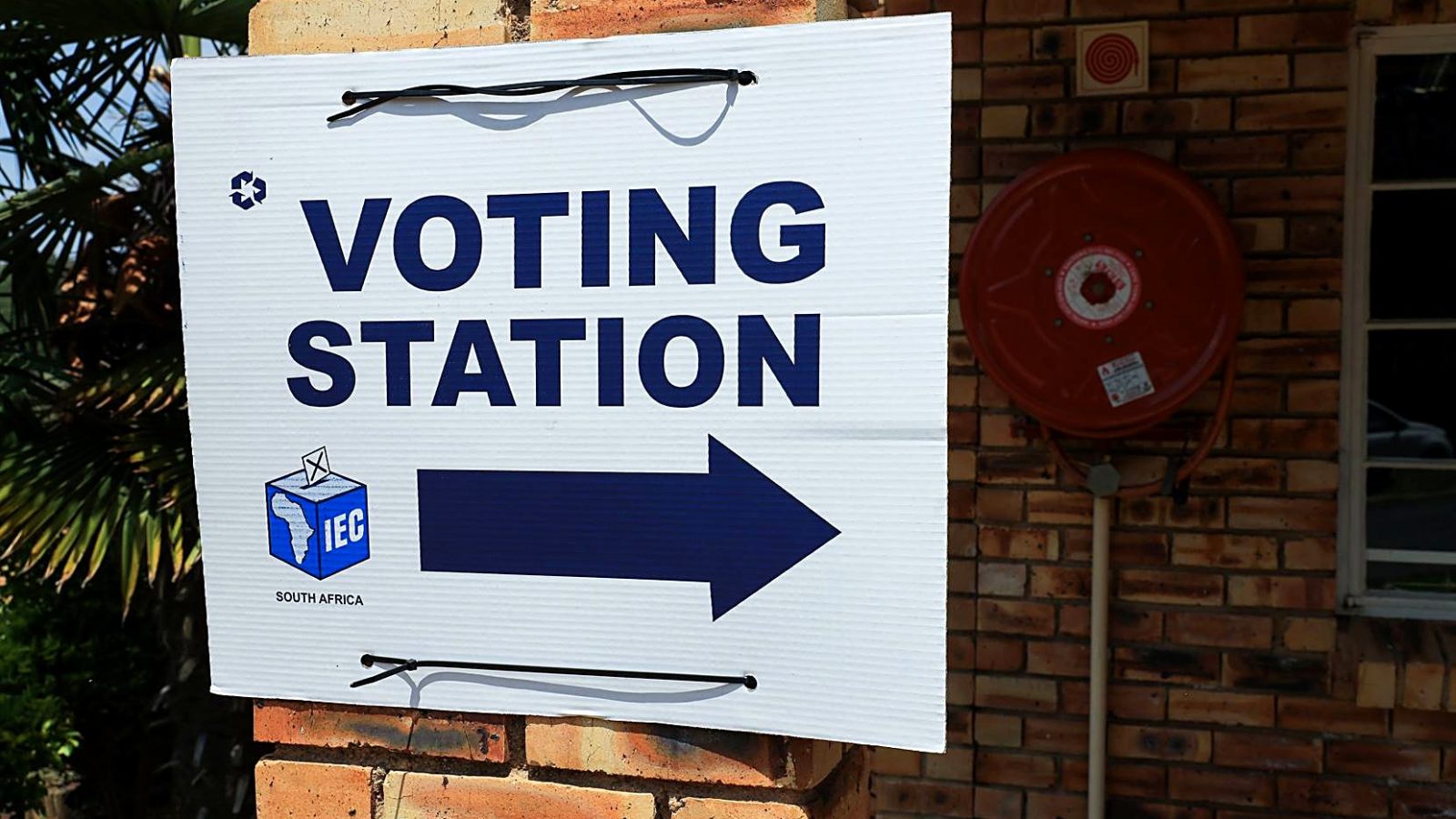
PRETORIA: This opinion piece follows the official announcement of the outcomes of the local government elections, which saw the so-called leftist parties lose support. This decline can be attributed to at least three factors: disgruntled voters staying away from the polls; the failure of leftist parties to deliver on their promises; and, more broadly, the failure of politics and the apparent end of ideology-based politics.
To examine these developments, I use the notion of the “failure of politics”. This refers to the inability of political parties to fulfil their promises, honour their mandates and, most importantly, deliver services to the people.
The word politics, in its etymological sense, relates to the affairs of the people. In practical terms, it concerns the management of those affairs. These include putting food on the table, having access to clean running water, living in safe communities, creating an environment that supports entrepreneurship, having functional government and municipal systems, travelling on safe and tarred roads, and raising children in clean and safe environments.
When ordinary citizens feel that these basic needs and concerns are not being prioritised, they begin to believe that politics has failed them.
In a context of economic hardship, corruption and numerous social challenges, politics increasingly becomes associated with dysfunction, dishonesty, theft, corruption and mafia-style governance.
Against this background, the three factors contributing to the decline in support for leftist parties deserve closer examination.
1. Disgruntled voters are staying away
Given the many challenges facing the country, there is a growing feeling among ordinary people that voting serves little purpose. Many feel politically, socially and economically excluded from the benefits of the so-called “gravy train”.
This frustration is rooted in the perception that elections benefit only a small group of politically connected individuals and those who are elected to public office. Once politicians and public representatives gain access to the privileges associated with political office, they are often perceived to forget the people who put them there.
The situation is made worse by the conduct of some politicians and elected representatives, particularly when their actions, as reported or portrayed in the media, appear to amount to “spitting in the face of the poor”.
Such displays of opulence are often defended because public representatives are working hard to represent their constituents in Parliament or municipal councils. However, this justification does little to address the resentment created when the lifestyles of those in political office stand in stark contrast to the deteriorating conditions in communities and the hardship experienced by ordinary citizens.
ALSO READ: Participation In Elections Without Understanding Reflects ‘Democracy On Autopilot’
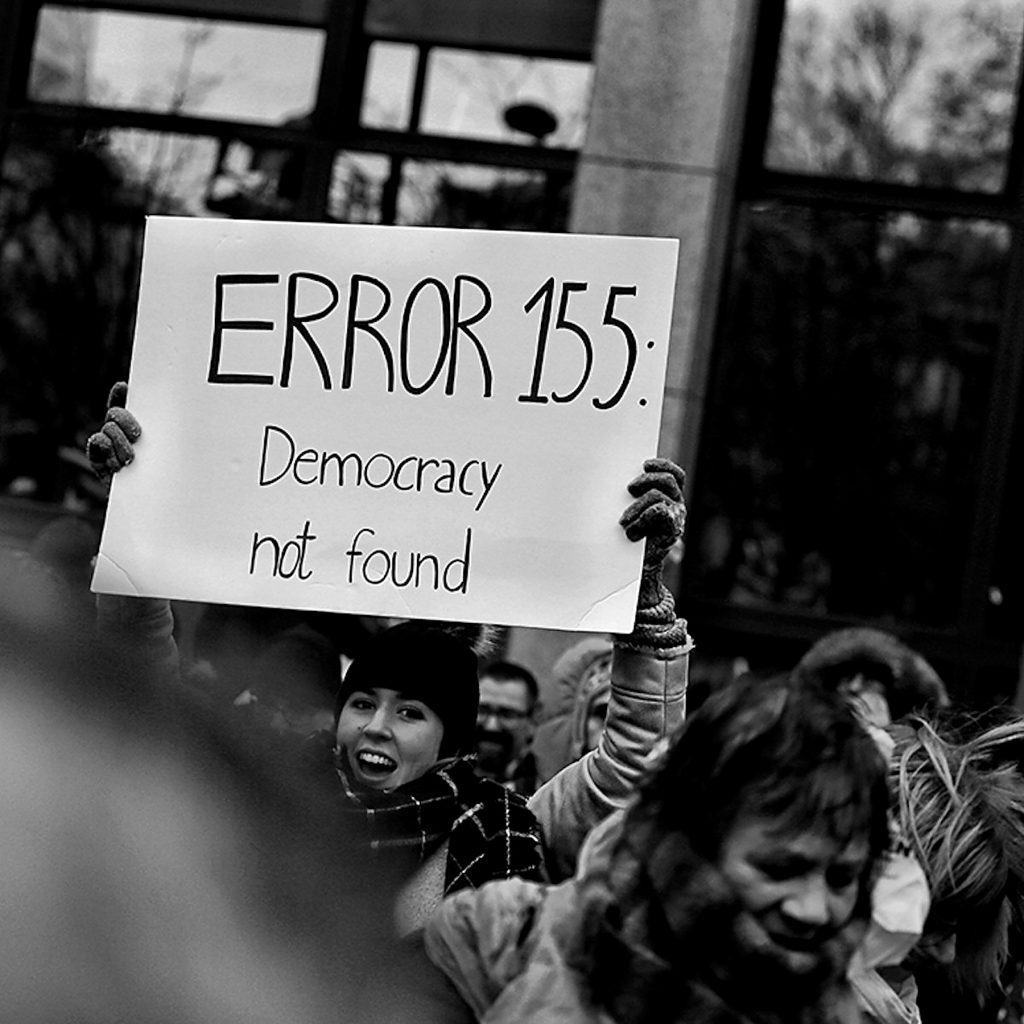
The gap between the privileged and the struggling fuels resentment and reinforces the belief that participation in elections does not necessarily translate into tangible improvements in people’s lives.
2. The failure of leftist parties to deliver on their promises
There is also a growing, although sometimes unspoken, perception among ordinary people that leftist parties have failed to deliver on their promises.
The African National Congress (ANC), as the governing party since 1994 and the most prominent political representative of the left in government, carries much of the responsibility for this perception. Its failures over the years have contributed to the association of leftist politics and ideology with corruption, dishonesty, thuggery, dysfunction and mafia-style governance.
The burden of representing leftist politics has largely rested on the shoulders of the ANC because, both ideologically and through its policy positions, it presented itself as a party committed to a number of principles.
These include:
- Promoting equal dignity, rights and opportunities.
- Prioritising universal healthcare, public education and housing support as fundamental government responsibilities.
- Advocating for civil, cultural, religious and environmental rights, as well as gender equality.
- Using government policy and intervention to narrow wealth inequalities and support those previously disadvantaged.
Its association with the South African Communist Party (SACP), the Congress of South African Trade Unions (Cosatu) and its broader alliance politics further reinforced its identity as a representative of the left.
Of course, the ideological character of the ANC and the extent to which it has remained true to these principles are open to debate. However, in the eyes of many members of the public, the ANC represents leftist politics in South Africa.
Consequently, its failures have dealt a significant blow not only to its own political standing but also to the broader leftist project. The public’s growing disillusionment with the ANC risks becoming a rejection of the very political ideas and principles it once claimed to represent.
3. The failure of politics and the end of ideology
The failure of political parties, particularly those associated with the left and represented most prominently by the governing party, to deliver on their promises has had consequences beyond electoral losses. It has contributed to a broader public perception that politics itself is fundamentally broken.
As a result, politics is increasingly associated with bribery, embezzlement, nepotism, state capture, fraud, cronyism and other forms of corruption. The failure of politics as the management of the affairs of the people has also created fertile ground for what I describe as a form of “ideological and political nihilism”.
ALSO READ: Coalition negotiations must put the people at the centre
This refers to a belief, shaped by the experience and perception of political failure, that political structures, ideological positions, traditional values and moral systems have lost their legitimacy or are fundamentally baseless. It also reflects a growing inclination to reject or dismantle the existing social and political order without necessarily having a clear or workable alternative.
This form of ideological and political nihilism manifests itself in at least four ways.
First, through a constant bombardment of society with negative news. The continuous exposure to reports of government failures, corruption and the excessive lifestyles of politicians can deepen public frustration and encourage electoral disengagement. When citizens are repeatedly confronted with evidence, real or perceived, that those in power are failing them while enjoying the benefits of office, they may begin to believe that voting will make no meaningful difference. This can result in electoral absenteeism or what may be described as electoral nihilism, where people lose faith in the ability of their votes to influence political outcomes.
Second, through the promotion of anti-systemic agendas. There is a growing tendency to call for the dismantling or rejection of existing political and institutional structures without presenting a credible alternative. In some instances, the proposed alternative amounts to little more than a willingness to work with whatever emerges after the existing order has been disrupted. Such an approach may mobilise frustration, but it does not necessarily provide a practical vision for governing society or addressing its problems.
Third, through weaponised propaganda. Hostile political rumours, misinformation and fake news can be used to undermine public confidence, deepen divisions and disrupt the political status quo. Rather than contributing to constructive debate or presenting viable alternatives, these tactics exploit public dissatisfaction and reinforce the belief that all political institutions and actors are beyond redemption.
Fourth, through what may be described as a negative democracy agenda. Citizens are increasingly encouraged to believe that every elected party or government is destined to fail. Consequently, the focus of electoral participation shifts away from choosing constructive leadership and towards punishing the so-called political class. Voting becomes an expression of frustration against those perceived to have benefited from the “gravy train”, rather than a considered choice about the policies, leadership and political direction needed to improve people’s lives.
These manifestations point to a deeper problem. When citizens lose confidence in political institutions, political ideologies and the people entrusted with public office, the consequences extend beyond the fortunes of individual parties. The very idea that politics can be used to organise society, advance competing interests and improve people’s lives comes under question.
The central challenge, therefore, is not simply that leftist parties are losing support. It is that their failures, particularly where they have held power, risk discrediting the broader political and ideological traditions they claim to represent. When politics becomes synonymous with personal enrichment, corruption and exclusion, citizens are left questioning whether any political ideology or party can genuinely serve their interests.
The question is whether this represents the end of ideology-based politics or a crisis of political leadership and accountability. What is clear is that politics cannot regain public confidence through promises and electoral campaigns alone. It must demonstrate, through the management of people’s everyday affairs, that it remains capable of delivering dignity, opportunity and a better quality of life.
Tshepo Lephakga is a researcher at the University of South Africa, specialising in African cultural and philosophical studies and legal issues in South Africa.