By Nkweauseh Reginald Longfor, Sophia University
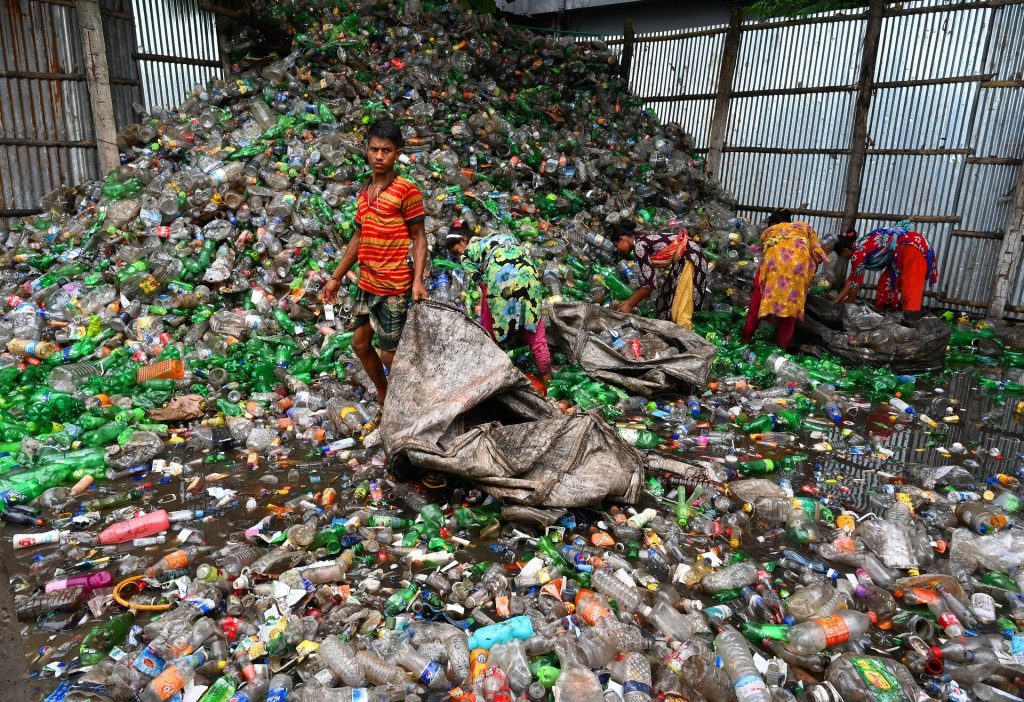
Many African cities still struggle with litter and garbage that is not properly disposed of. This poses serious public health risks. It attracts vectors of disease like mosquitoes and flies, and can lead to cholera and malaria outbreaks.
Dumping organic waste, like food scraps, in uncontrolled landfills also causes methane emissions. This potent greenhouse gas accelerates climate change. But it can also be useful. It can be converted into nutrient-rich compost or biogas, a renewable energy. This is known as waste-to-energy and it would also help address electricity shortages in Africa.
This happens despite investments in waste collection and landfilling. My home country, Cameroon, spends about US$6.6 million each year on municipal solid waste management. However, a reliable service remains a challenge.
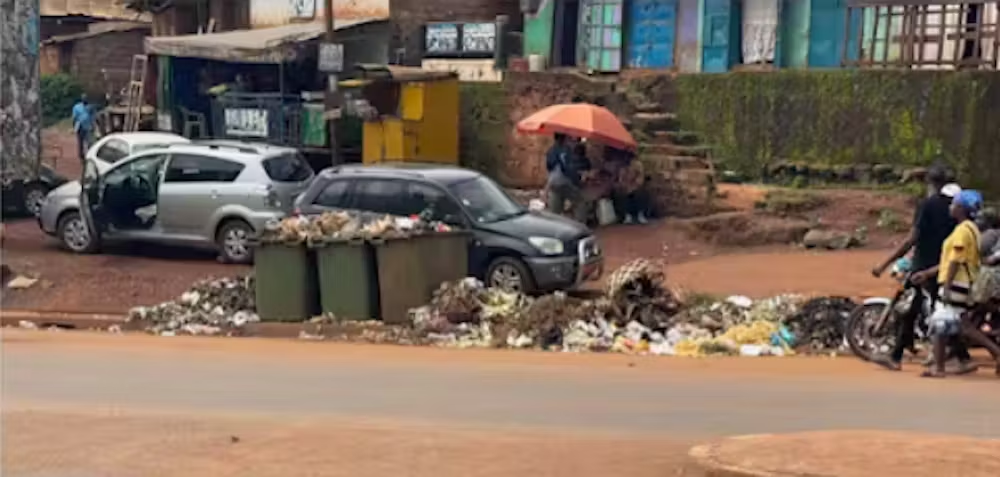
Hygiène et Salubrité du Cameroun (Hygiene and Sanitation of Cameroon) is the country’s main private contractor. It handles most waste collection in all ten regions. But only around 60% of waste is actually collected. And just 43% of residents’ garbage is collected from outside their homes. The rest is collected from communal bins that are emptied by the company. Others have no choice but to dump garbage in the open.
Most municipal waste in Cameroon ends up in landfills, and is burned. Less than 4% is recycled, mainly by informal reclaimers.
I am a sustainability scientist who researches how waste can be turned into energy. I conducted a research project in collaboration with Hygiène et Salubrité du Cameroun to observe local waste management practices. I interviewed the company’s executives, non-governmental organisations and civil society group representatives, a local mayor, and government officials.
I wanted to find out what could encourage the setting up of waste-to-energy projects, and what was preventing it.
My research found that the current system and the influential people involved in it have failed to invest strategically in projects that convert waste to energy. Instead, they tend to focus on short-term fixes. These include building new landfills and organising occasional clean-up campaigns. This is because these are quick and easy to set up. They’re also highly visible to voters who may be tired of garbage that isn’t managed properly. They also cost less than waste-to-energy systems.
ALSO READ: Zambia Enhances Renewable Energy Integration
However, this means that Cameroon is missing an opportunity to create biogas and compost from waste. This would reduce pollution, improve public health and ease electricity shortages. It would also speed up Cameroon’s move to become a circular economy, in which garbage is recycled, composted or turned into energy, keeping materials in use for as long as possible.
What the problems are
Cameroon has had a National Waste Management Strategy since 2007. It’s coordinated by Cameroon’s Inter-Ministerial Commission for Municipal Waste Management, which unites government agencies, local authorities, private firms, non-governmental organisations and international partners. The strategy aimed to halve the amount of waste in landfills by 2035 and move the country towards a circular economy.
Limited financial resources often lead municipalities in Cameroon to rely on low-cost waste disposal methods, such as dumping garbage in landfills.
Setting up waste-to-energy systems comes with a high upfront cost. My previous research shows that national and local government officials also lack commitment and willingness to adopt innovative solutions to waste problems. This holds back investment in waste-to-energy projects.
In Cameroon, policy and regulatory support for waste to energy is weak. There are no tax incentives for companies to introduce improved solid waste management. Operating standards and government regulations are unclear. It takes a very long time to obtain a permit to operate a waste-to-energy system because of overly bureaucratic permit systems. This creates uncertainty, discouraging both local and international investors. A regulatory gap (the absence or inadequancy of clear, supportive rules and incentives governing the sector) means that landfilling remains the dominant approach.
ALSO READ: Africa Turns to Artificial Intelligence to Drive Its 50-Year Vision
Another problem is that government ministries don’t co-ordinate with each other or with outside agencies. Private companies simply follow instructions outlined in their contracts, and non-governmental organisations and civil society are largely excluded from decision-making.
What needs to happen next
The different groups involved in waste management, particularly local and national government and private waste management companies, should urgently adopt a circular economy approach.
Short term measures could include:
- landfill taxes or bans to discourage dumping
- government subsidies for recycling initiatives
- public awareness campaigns to educate citizens about the benefits of waste reduction, recycling and waste-to-energy solutions
- including circular economy concepts into school curricula and community education programmes
- setting up waste transfer stations closer to waste sources, to enable efficient sorting, reduce transport costs and decrease landfill volumes
- finding ways for everyone active in the waste sector to work together on plans and decisions
- kickstarting pilot projects run by all the different players.
In the long term, there is an urgent need for the government to:
- reform policy to embed circular economy principles and sustainable waste management into national laws and regulations
- improve road networks and transport systems to make waste collection and movement more efficient
- invest in affordable, locally appropriate waste to energy technologies
- promote public-private partnerships in the waste management sector
- build local expertise and capacity through education, vocational training and innovation hubs
- create supportive regulations, financial mechanisms and incentives to attract private sector investment in sustainable waste management solutions.
This study highlights the need for a shift from short-term, landfill-dependent waste management solutions to circular economy practices. This will transform urban waste into valuable assets and drive environmental sustainability and sustainable development.
Nkweauseh Reginald Longfor, Assistant Professor, Sophia University
This article is republished from The Conversation under a Creative Commons license. Read the original article.