CAPE TOWN: The Democratic Alliance (DA) is reconsidering its future in the Government of National Unity (GNU) after the ANC and its partners shut it out of power in all three Gauteng metros, despite the DA winning the most seats in each.
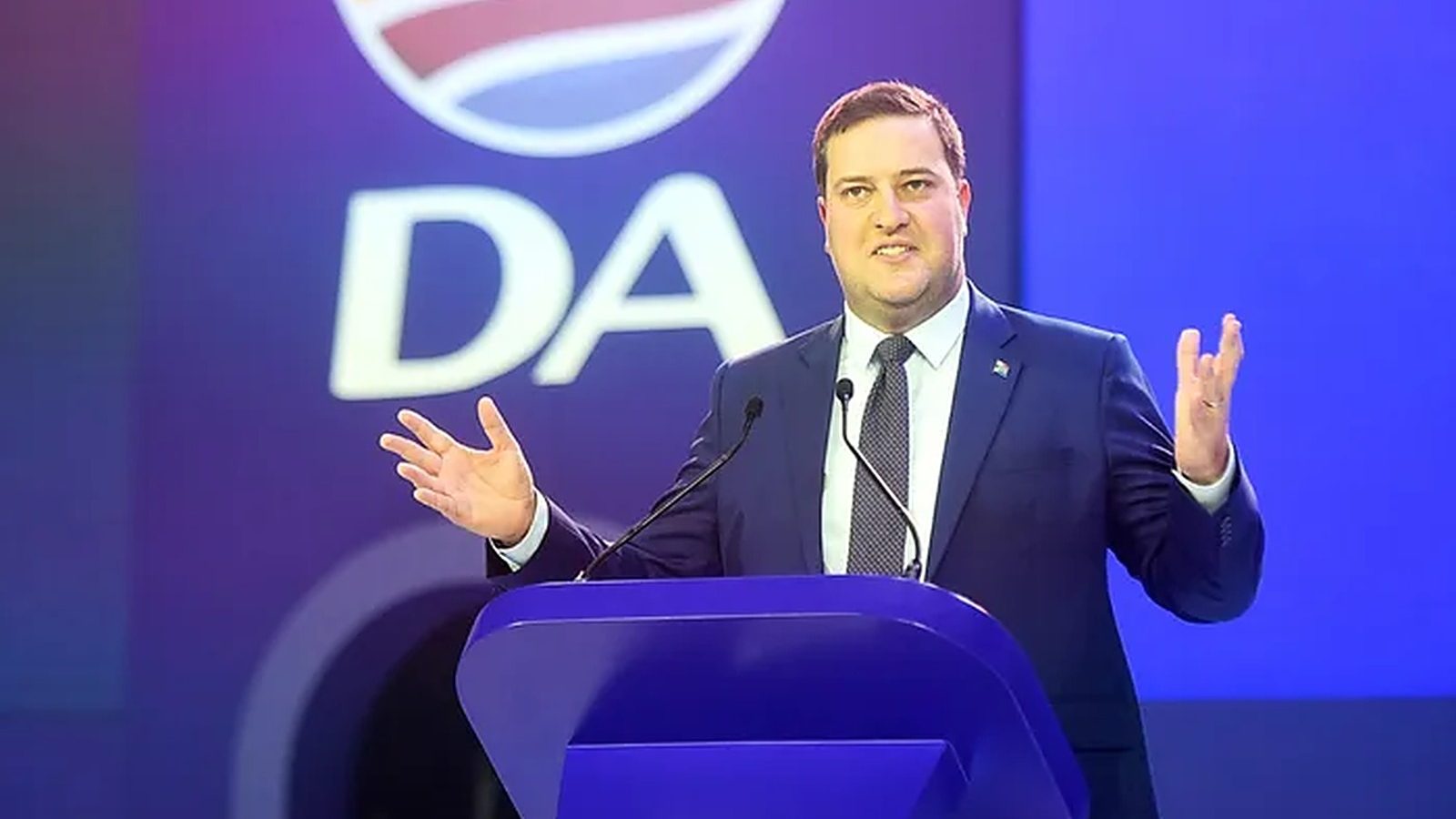
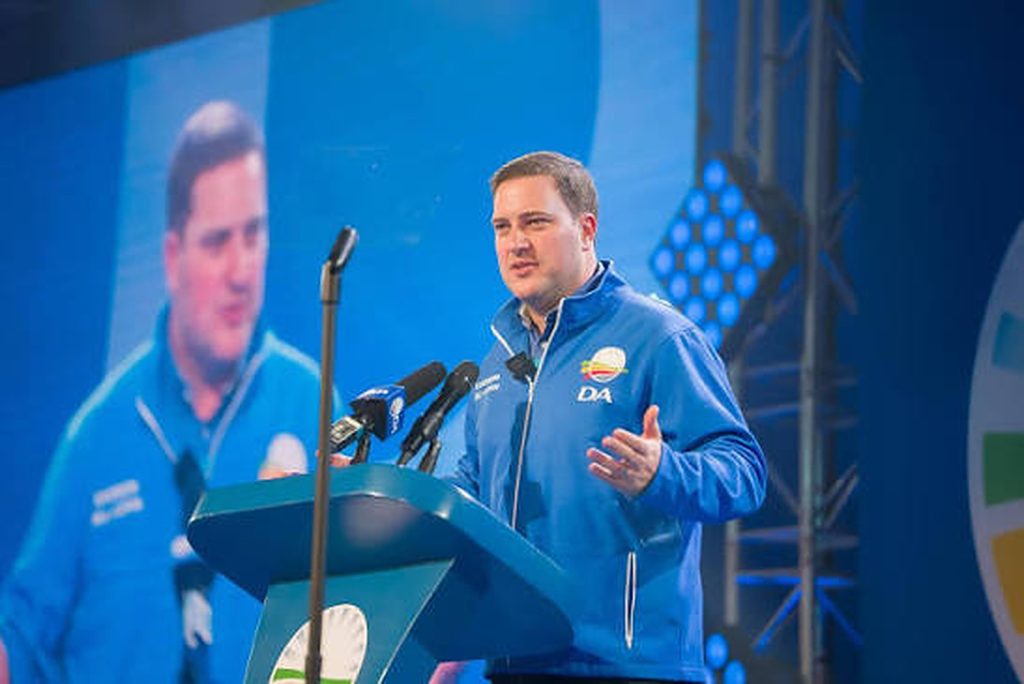
DA leader Geordin Hill-Lewis said on Saturday that the party would carefully assess its position in the national coalition amid mounting tensions with the ANC and the fallout from the November 4 local government elections.
Speaking to the SABC on the sidelines of the DA’s Western Cape provincial congress, Hill-Lewis said the party would not rush into a decision, given the implications for the country and the millions of people governed through the arrangement.
His comments are the clearest indication yet that relations within the coalition, which has governed nationally since mid-2024, are under serious strain.
Largest party, but locked out of power
The immediate trigger is Gauteng, where the ANC and a group of opposition parties have secured control of all three metropolitan municipalities, leaving the DA on the opposition benches.
In Johannesburg, ActionSA leader Herman Mashaba was elected mayor on Friday with 170 votes, defeating the DA’s Helen Zille, who received 97. The DA has 91 of the council’s 270 seats, making it the largest party in the metro.
In Ekurhuleni, the ANC’s Mziyanda Mketsu defeated the DA’s Khathutshelo Rasilingwane by 141 votes to 80. The DA holds 66 of the council’s 224 seats, more than any other party.
In Tshwane, ActionSA’s Nasiphi Moya was re-elected mayor on Thursday with 115 votes against the DA’s Cilliers Brink, who received 87.
The governing coalitions brought together the ANC, ActionSA, the EFF, the MK Party, the IFP, the Patriotic Alliance, Rise Mzansi and several smaller parties.
The outcome was not simply a consequence of council arithmetic. ANC secretary-general Fikile Mbalula made clear that his party regarded the DA as a partner of last resort, referring to a position adopted at the ANC’s National General Council in December 2025.
ALSO READ: Ramaphosa urges voters to help rebuild failing municipalities in Wednesday’s elections
“If we were to work together, it must be because there are no other options on the table,” Mbalula said.
The DA had proposed a national agreement involving the ANC, DA and IFP to stabilise the country’s 137 hung municipalities. That proposal did not prevent the ANC from assembling alternative governing arrangements in Gauteng.
‘We don’t take kindly to threats’
Relations between the two largest GNU partners have deteriorated steadily since the 2024 general election.
The latest tensions follow a Constitutional Court ruling in the ANC’s favour in a proportional representation list dispute that the DA had opposed. Mbalula subsequently called for a review of the DA’s position in the GNU.
When Hill-Lewis first raised the possibility of reviewing the arrangement last week, the ANC responded sharply.
“We don’t take kindly to threats,” ANC spokesperson Mahlengi Bhengu said on the sidelines of the party’s National Executive Committee meeting in Boksburg.
She added that the ANC would independently decide which parties it wanted to work with.
The ANC Youth League has also repeatedly called on President Cyril Ramaphosa to remove the DA from government, adding to pressure on the relationship between the two parties.
The dispute exposes a central weakness in the GNU: although the parties agreed to work together nationally, that arrangement does not guarantee cooperation at provincial or municipal level. The Gauteng outcomes have shown how quickly political interests can diverge when control of local government is at stake.
Eyes on 2029
While considering the DA’s position in the national government, Hill-Lewis also used the Western Cape congress to set out the party’s longer-term electoral ambitions.
ALSO READ: Unstable coalitions threaten service delivery as local elections near
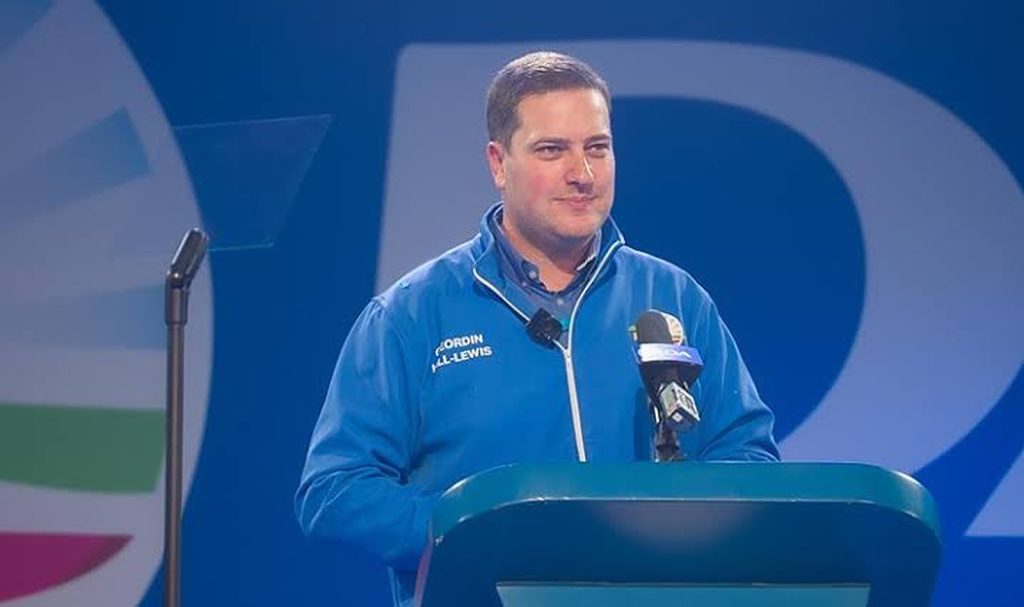
He told delegates that the gap between the DA and the ANC had narrowed over the years, but acknowledged that the party still had work to do ahead of the 2029 general election.
“We can close the gap,” he said.
Hill-Lewis took over as DA leader in April this year, promising that the party would be more assertive when it believed the ANC was disregarding agreements or consensus within the GNU.
His latest remarks suggest that the party is weighing not only its influence in the coalition but also the political cost of remaining in an arrangement in which its relationship with the ANC is increasingly adversarial.
What would a DA exit mean?
The DA is the second-largest party in the GNU and holds several Cabinet portfolios. Its departure would not automatically bring down the government, but it would change the balance of power in Parliament and force the ANC to seek support from other parties to maintain a working majority.
That could mean greater reliance on smaller coalition partners or negotiations with parties such as the EFF and MK Party, depending on the issue and the numbers required.
The uncertainty also matters beyond party politics. Businesses and investors have watched the GNU closely, viewing political stability and the government’s ability to implement policy as important factors in the country’s economic outlook.
The timing is particularly sensitive. Hill-Lewis’s warning came a day after S&P Global Ratings upgraded South Africa’s credit rating to one notch below investment grade, citing an improvement in public finances.
For now, the DA has not announced a decision to leave the GNU. Hill-Lewis has instead signalled that the party will weigh its options carefully.
The bigger question is whether the coalition can survive a relationship in which its two largest partners increasingly appear to be working against each other at other levels of government.