By Tswelopele Makoe
The 9th China Trade Fair in South Africa, held on 23 September at Gallagher Convention Centre, was more than a commercial showcase. It was a statement of intent. It signaled that South Africa and Africa more broadly is stepping into the global economy not as a passive consumer or raw exporter, but as a negotiating force demanding fairer terms and deeper partnerships.
Over 600 Chinese manufacturers came face-to-face with thousands of South African entrepreneurs, suppliers, and small business owners. But this was not a one-way exchange. African buyers and producers arrived with a clear purpose: to build industries, secure supply chains, and forge alliances on their own terms.
For decades, Africa has been positioned as a source of raw materials and a ready-made market for finished goods. The trade fair challenged that script. From mining technology and construction equipment to textiles, eco-friendly homeware, and digital tools, South African firms were focused on localising production and driving industrialisation at home.
ALSO READ: How China’s new auto giants left GM, VW and Tesla in the dust
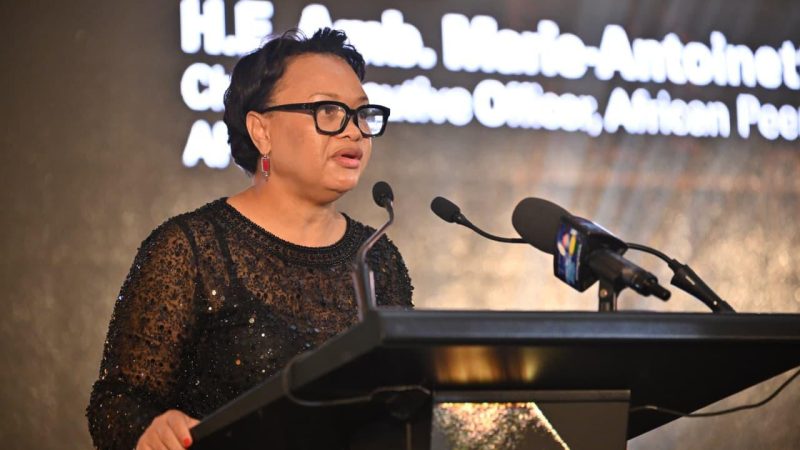
Chinese Ambassador Wu Peng used his address to call for a more balanced economic relationship, one rooted in technology transfer, job creation, and market access for South African products. He noted China’s US$13.2 billion in direct investment into South Africa and urged Chinese companies to integrate into the local economy rather than operate solely through imports.
By the end of the fair, several major memoranda of understanding had been signed. Mantengu Mining sealed a deal with Chinese heavy-equipment giant SANY for distribution, while China State Construction Engineering partnered with AfriSam to source South African construction materials. The focus wasn’t on the number of agreements, but their long-term impact.
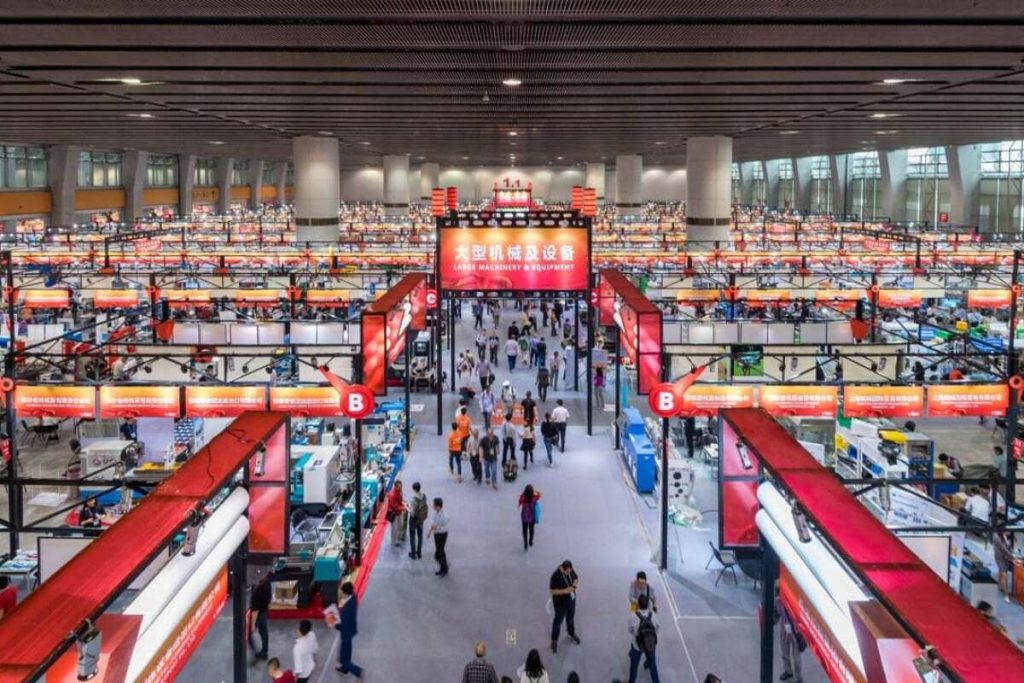
Mining, construction, and infrastructure dominated discussions, with growing attention also paid to renewable energy, green hydrogen, and digital innovation. The emphasis was clear: trade must drive industrial capacity and skills development inside South Africa.
For many attendees, the event represented a new kind of South-South cooperation, one where Africa asserts agency rather than accepts dependency. As one township-based entrepreneur put it: “We’re not here to be sold to. We’re here to connect, to learn, and to compete.”
ALSO READ: China’s Xi pushes a new global order, flanked by leaders of Russia and India
That sense of ambition cut through the halls of Gallagher. African business owners challenged potential partners, pushed for better terms, and sought technologies that could fuel local manufacturing. Young black industrialists, in particular, were at the forefront, strategic, assertive, and determined to ensure Africa controls more of the value chain.
Critics often warn that China’s role in Africa risks creating new dependencies. But the energy at this year’s trade fair suggested something different: Africa exercising choice, bargaining power, and vision.
Trade fairs once symbolised exploitation. Now, they are becoming arenas where African businesses are no longer spectators, they are players. And increasingly, they are the ones calling the plays.
The 9th China Trade Fair was a reminder: Africa is not a marketplace. It is a force.