LUSAKA — Zambia’s post-election transition has taken an unexpected legal turn after the Judiciary confirmed that Chief Justice Dr Mumba Malila received an electronic petition challenging President Hakainde Hichilema’s re-election. However, the document was sent to his private email address rather than formally filed through the courts.
The development came as the government confirmed that Hichilema’s inauguration for a second term will go ahead on September 1.
The two statements, issued separately by the Judiciary and the Cabinet Office, have raised questions over the legal status of a document described as the “people’s presidential petition” and whether it could amount to a formal challenge to the August 13 presidential election.
Petition sent to Chief Justice’s private email
In a statement issued in Lusaka, the Judiciary confirmed that Chief Justice Malila had received documents designated as the “people’s presidential petition”, which sought to challenge the outcome of the August 13 general election.
The Judiciary said it was aware of claims circulating on social media that the petition had been formally filed. However, it did not confirm that the document had been validly lodged with the court.
Instead, the Judiciary said the manner in which the documents had been delivered was irregular.
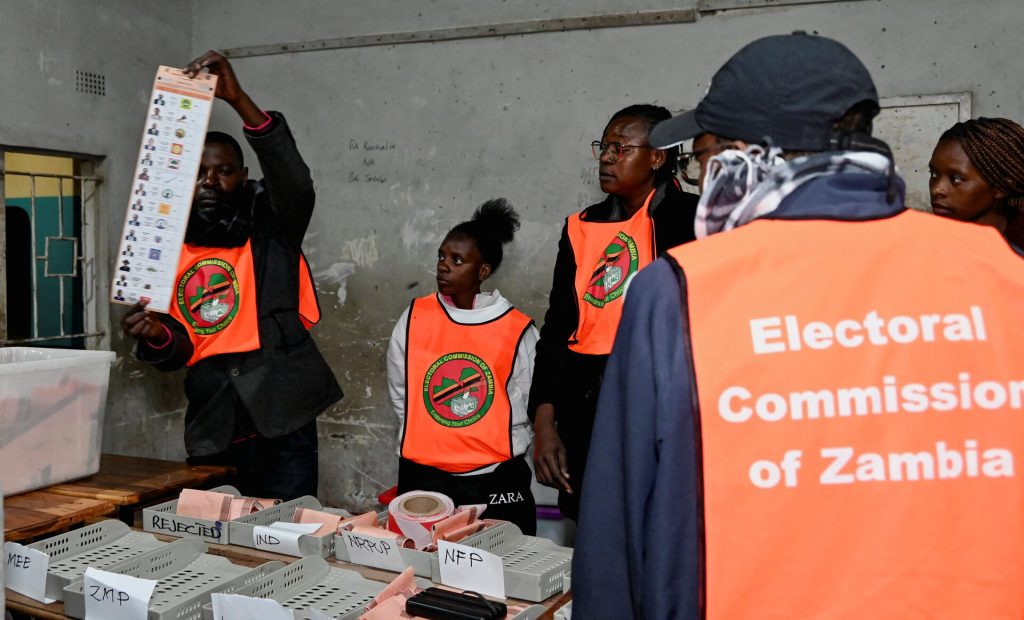
The Chief Justice reportedly considered the transmission of official court documents to his private email address “highly irregular”.
Rather than dismissing the matter outright, however, Malila referred the documents to the Constitutional Court to consider whether the petition had been properly filed.
The court is expected to communicate with the relevant parties in due course.
The statement was signed by Kalumba Chisambisha-Slavin, Deputy Director for Corporate Communications.
Government confirms September 1 inauguration
The Judiciary’s statement came as the government moved ahead with preparations for Hichilema’s inauguration.
In a separate statement, Secretary to the Cabinet Patrick K. Kangwa said the seven-day period provided for the filing of a petition challenging a presidential election had expired without the Judiciary receiving a petition.
The Cabinet Office consequently confirmed that Hichilema’s inauguration would take place on Tuesday, September 1, 2026, in accordance with Article 105 of the Constitution of Zambia Act No. 2 of 2016.
ALSO READ: Zambia resumes vote counting after election officials attacked
The venue will be announced separately.
The two statements have created an unusual legal situation.
While the Cabinet Office maintains that no petition was received within the prescribed period, the Judiciary has acknowledged receiving documents purporting to challenge the election and has referred the question of their validity to the Constitutional Court.
The key issue is therefore no longer simply whether a document was received, but whether it was legally filed within the prescribed period and through the appropriate channel.
Election result remains contested
The dispute over the petition comes against the backdrop of a closely watched and contested election.
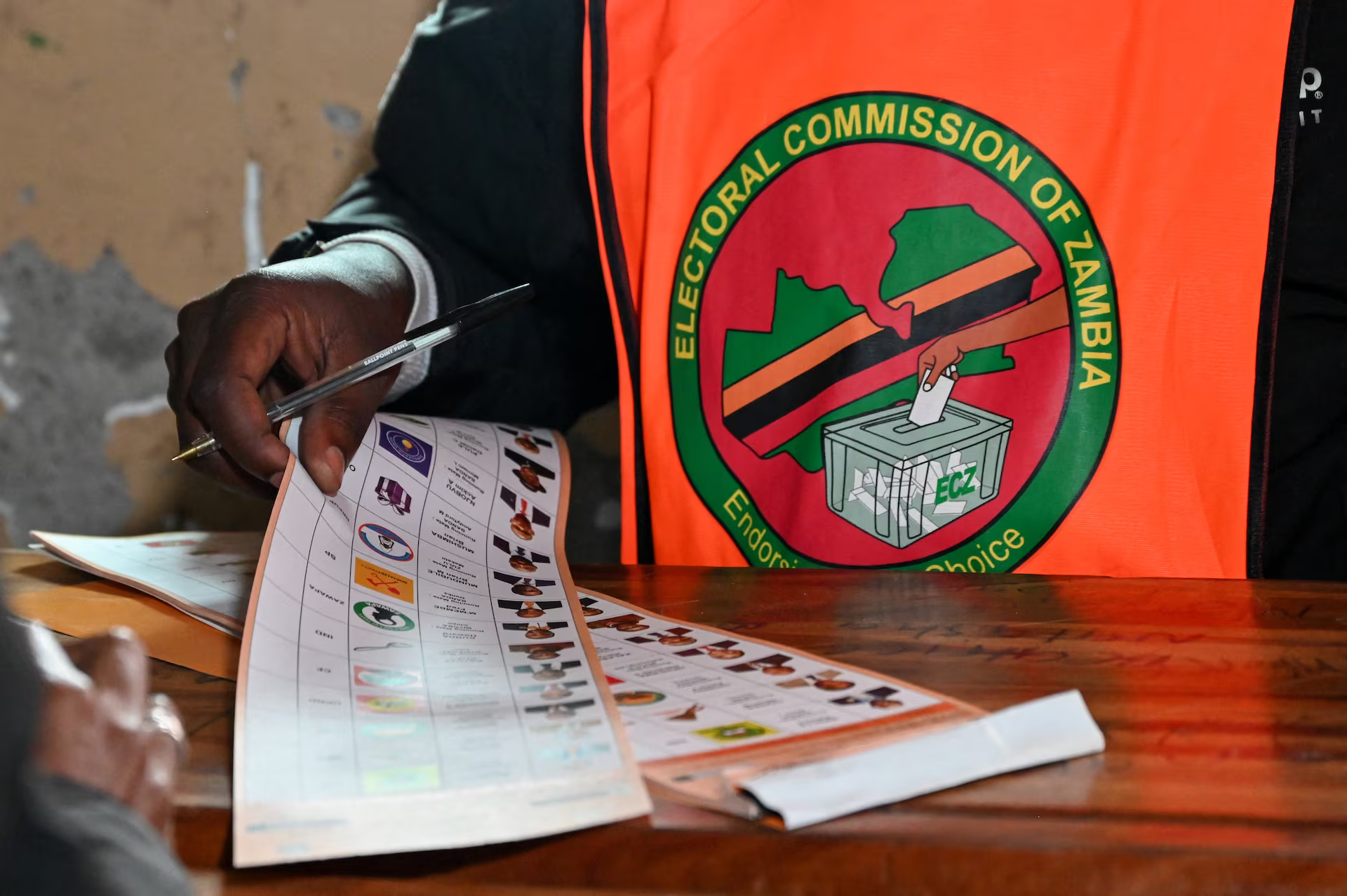
The Electoral Commission of Zambia declared Hichilema the winner on August 18, with the incumbent securing more than 2.9 million votes against roughly 1.46 million for opposition leader Brian Mundubile of the NRPUP.
The result gave Hichilema a decisive lead, but the electoral process was accompanied by allegations of irregularities and political tensions.
The ECZ temporarily suspended the tallying process amid reports of violence against polling officials and the theft of marked ballot papers.
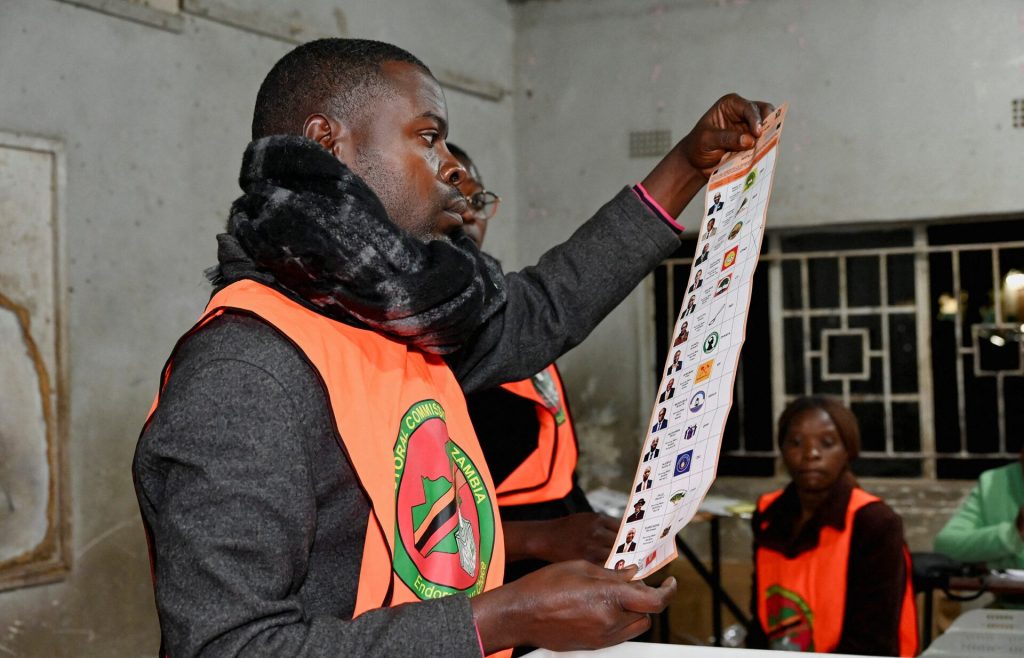
International observers, including the European Union and SADC missions, also raised concerns about aspects of the electoral environment, including alleged intimidation, the reported abduction of an individual by armed personnel and an imbalance in state media coverage that favoured the incumbent.
ALSO READ: Uganda Weighs Extending Presidential and Parliamentary Terms to Seven Years
Mundubile’s supporters have further alleged that military personnel took control of tallying centres in Mufulira and that result forms went missing in North-Western Province.
UPND officials have rejected those allegations, describing them as attempts to cast doubt on a legitimate election result.
Constitutional Court now holds the key
The fate of the “people’s petition” could therefore have significance beyond the technical question of how court documents should be delivered.
If the Constitutional Court accepts that the documents were validly filed, the petition could open a formal legal avenue for challenging the election result.
If the court finds that the documents were not properly filed or were submitted outside the prescribed period, the challenge could effectively fall away.
For now, the two processes are continuing simultaneously.
The government is proceeding with preparations for Hichilema’s September 1 inauguration, while the Constitutional Court considers whether the documents received by the Chief Justice constitute a legally valid petition.
The court’s decision will determine whether the disputed document becomes a substantive part of Zambia’s post-election legal process or remains an irregular submission that never met the requirements for a presidential election petition.