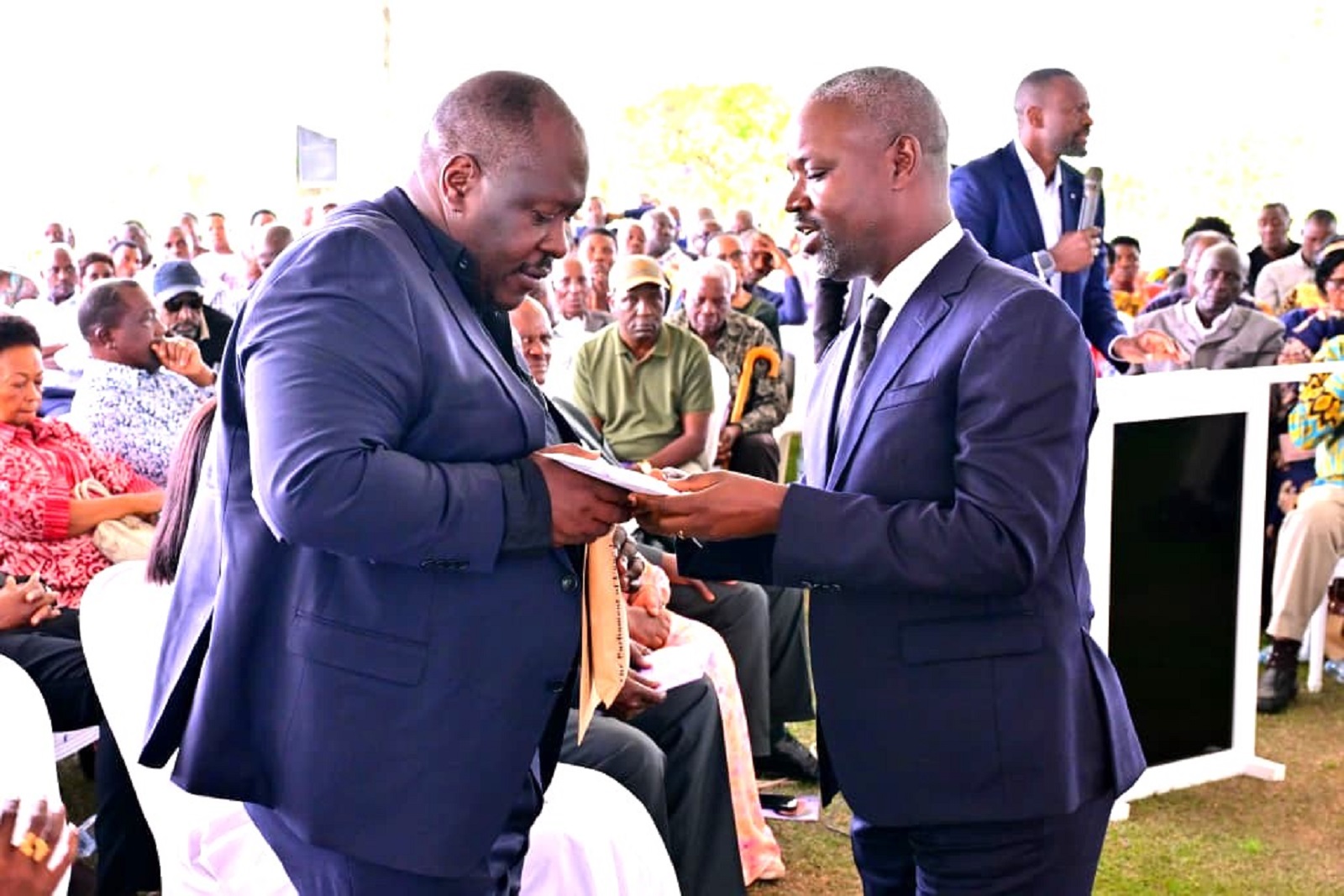
The Pan-African Parliament is urging African countries to turn climate pledges into enforceable laws, funded programmes and stronger institutions, warning that global commitments will have little impact without effective action at national level.

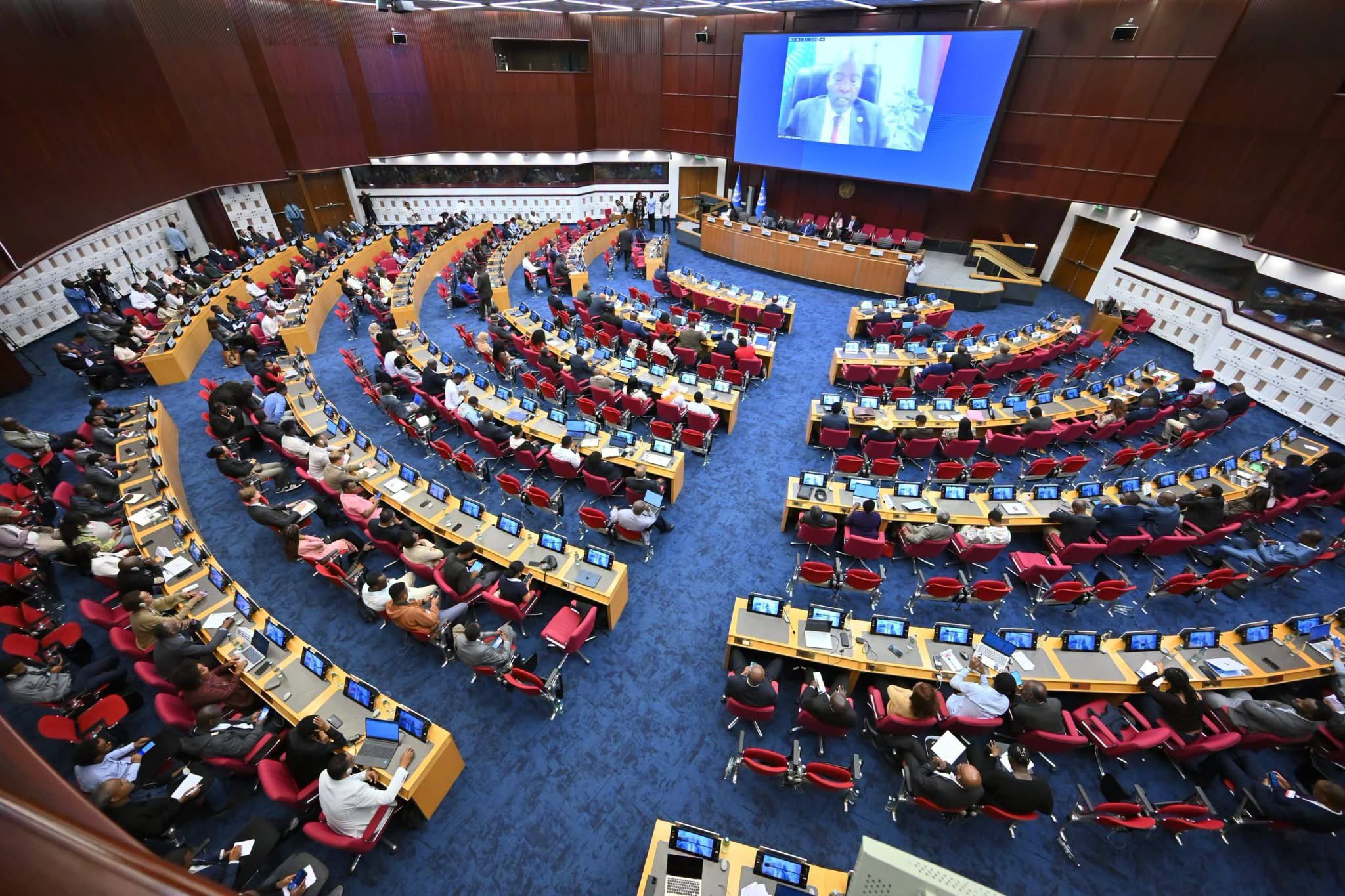

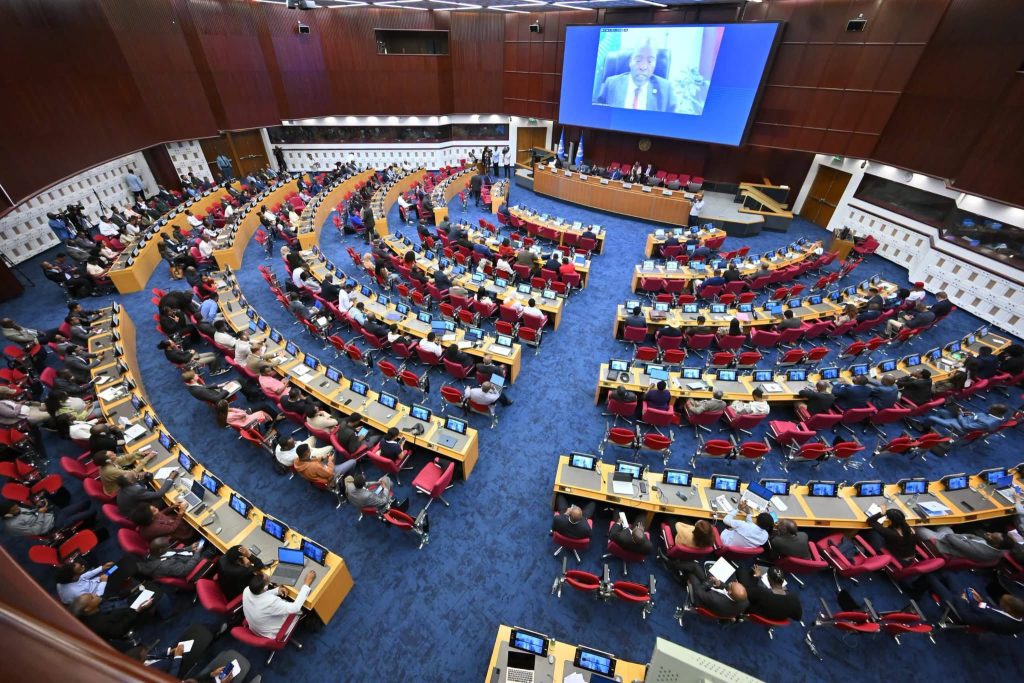
ADDIS ABABA, Ethiopia – The Pan-African Parliament (PAP) is calling for African legislatures to take a stronger role in the continent’s fight against climate change, arguing that international pledges must be backed by national laws, budgets and institutions capable of delivering them.
The call came as the PAP participated in the 14th Conference on Climate Change and Development in Africa, held in Addis Ababa from 7 to 9 September 2026.
The conference, organised by the Climate for Development in Africa Programme of the United Nations Economic Commission for Africa, was held under the theme “From Pledges to Implementation: The Belem-Antalya-Addis Roadmap.”
It brought together African policymakers, climate negotiators, parliamentarians and development partners to coordinate the continent’s response to climate change ahead of COP31.
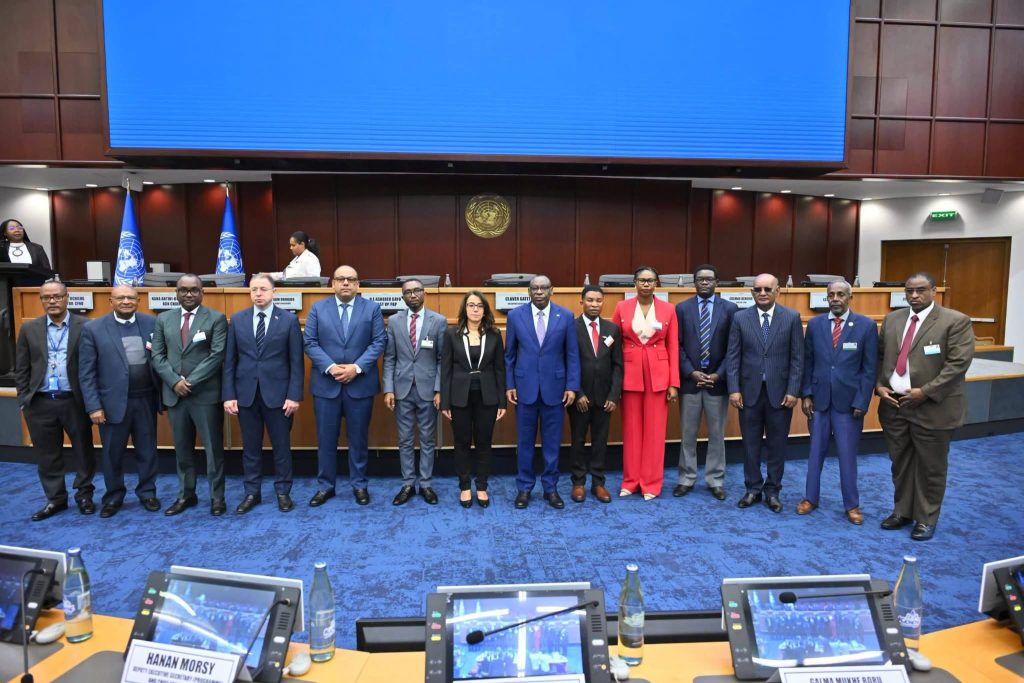
Leading the PAP delegation was First Vice-President Hon. Dr Ashebir Gayo, accompanied by Hon. Abdallah Barkat, a member of the PAP Committee on Rural Economy, Agriculture, Environment and Natural Resources, and technical officials from the PAP Secretariat.
Addressing delegates on 7 September during a session titled “From Climate Priorities to Climate Agency: What Would Africa’s Climate Leadership in Global Climate Governance Actually Mean?”, Gayo argued that African countries need to move beyond participation in international climate negotiations and strengthen their ability to shape and implement their own climate agenda.
He said parliaments have a critical role in turning international commitments into practical national action.
ALSO READ: Lake Albert Communities Sound Alarm Over Plastic Pollution Threatening Fisheries
African legislatures, he argued, must be able to translate climate commitments into “national legislation, budgets, programmes and effective implementation.”
The shift, he said, should be from simply participating in global climate processes to exercising what he described as genuine climate agency.
That means developing policies and solutions that reflect Africa’s own economic circumstances, environmental challenges and development priorities, rather than relying solely on frameworks developed elsewhere.
A key part of the Parliament’s approach is its Model Law on Climate Change, designed to provide African Union member states with a legislative framework for strengthening national climate laws.
The model legislation is intended to help countries give practical effect to climate commitments they have already made at the continental and international level.
Its provisions cover a wide range of issues, including climate governance and planning, mitigation and adaptation, loss and damage, climate finance, climate-induced displacement and carbon markets.
It also addresses climate data governance, regional cooperation, compliance and public participation.
For countries that do not yet have comprehensive climate legislation, the Model Law can provide a foundation that can be adapted to national circumstances rather than functioning as a uniform legal requirement for every country.
The PAP’s argument is that stronger legislation can provide the institutional framework needed to move climate policy from commitments and strategies into measurable programmes and spending.
Gayo also linked climate action to food security, agriculture and sustainable land management, pointing to two other legislative instruments developed by the PAP.
These include the Model Law on Food and Nutrition Security in Africa, adopted in 2022, and the Model Law on Sustainable Soil Management in Africa.
The instruments are intended to complement climate legislation by strengthening food systems, promoting sustainable agriculture, protecting soils and biodiversity, and supporting livelihoods vulnerable to climate shocks.
The approach reflects the interconnected nature of Africa’s climate challenges.
Droughts, floods, soil degradation and changing weather patterns can affect food production, water availability, rural incomes and biodiversity at the same time.
For the PAP, climate resilience therefore cannot be addressed separately from the way African countries manage agriculture, land and natural resources.
Legislation alone, however, will not deliver Africa’s climate goals.
Gayo stressed the need for climate finance that is accessible, affordable and predictable, alongside stronger institutions capable of ensuring that resources are properly used.
Parliamentary oversight, he argued, has an important role in monitoring climate spending and holding governments accountable for whether promised programmes are actually delivered.
ALSO READ: South Africa Puts Fisheries Data on Africa’s Digital Map. Now Comes the Hard Part
The issue is particularly significant for African countries that face substantial climate impacts while having limited fiscal space to finance adaptation and mitigation from domestic resources alone.
The PAP also called for greater cooperation between African legislatures and international parliamentary networks.
Such partnerships could allow lawmakers to share experience and develop practical approaches to challenges ranging from climate finance and resilient infrastructure to clean energy, agricultural transformation, natural resource governance and broader economic resilience.
The Addis Ababa conference comes as African governments prepare to consolidate their positions ahead of COP31.
For the PAP, that process provides an opportunity to strengthen the role of parliaments in shaping the continent’s climate agenda rather than limiting their involvement to endorsing decisions made through international negotiations.
The Parliament’s message is that Africa’s climate leadership must ultimately be measured not only by the commitments made at global conferences, but by what happens after those meetings.
That means laws that can be enforced, budgets that can be tracked, institutions that can deliver and parliamentary oversight strong enough to hold governments accountable.
As Africa heads towards COP31, the PAP is positioning its Model Law on Climate Change and related legislative instruments as tools to help close the gap between the continent’s climate ambitions and implementation on the ground.