ROME: Southern Africa has been added to the United Nations’ list of global hunger hotspots as a strengthening El Niño threatens rainfall, agricultural production and food supplies across the region.
The Food and Agriculture Organization (FAO) and the World Food Programme (WFP) warned on Friday that acute food insecurity is expected to worsen significantly in 16 hotspots between December 2026 and May 2027. Their latest Hunger Hotspots report also highlights the risk of famine in parts of Sudan and South Sudan.
The number of hotspots has increased from 13 in June. El Niño is a major factor behind three of the four new additions: Southern Africa, covering Eswatini, Malawi, Mozambique, Zambia and Zimbabwe; the Central American Dry Corridor; and north-eastern Uganda. Chad was added because of the spillover effects of the conflict in neighbouring Sudan.
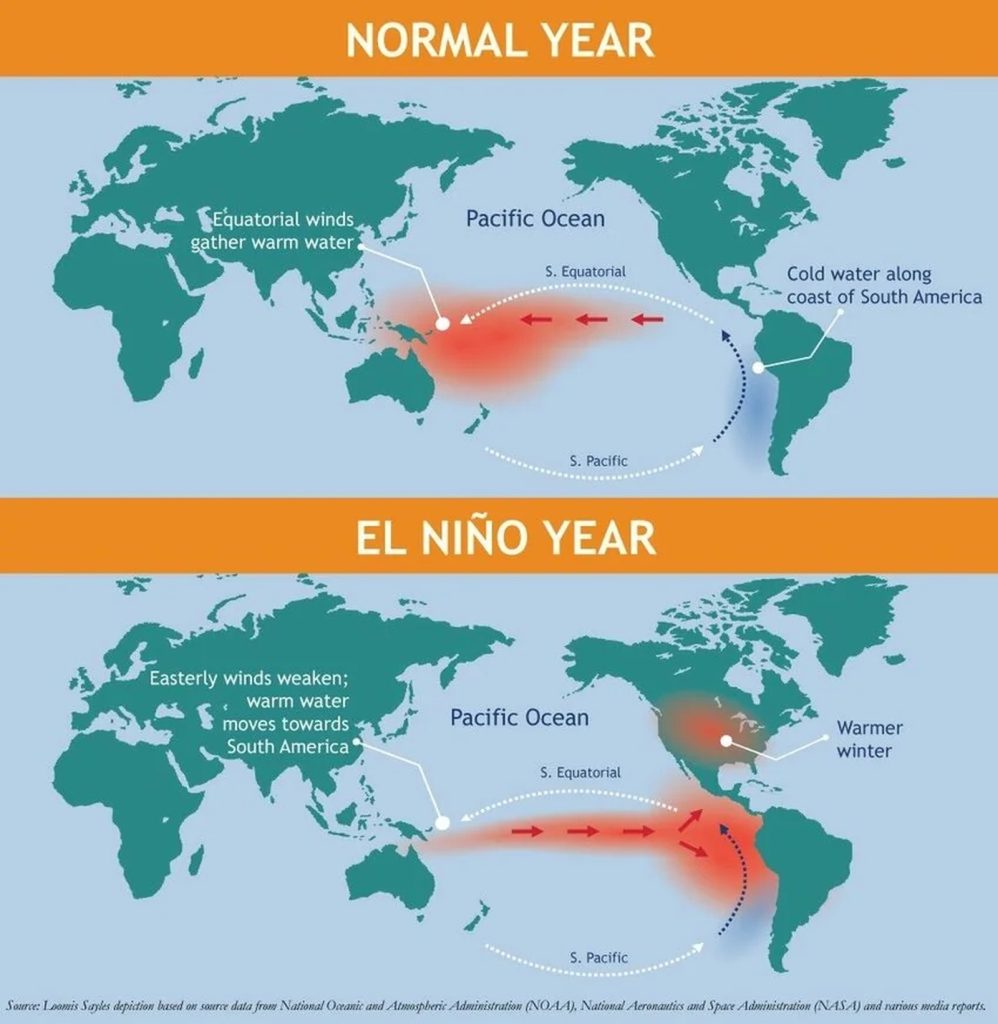
The agencies warned that El Niño is gaining strength and “could prove one of the most intense on record”.
Millions face worsening food insecurity in Southern Africa
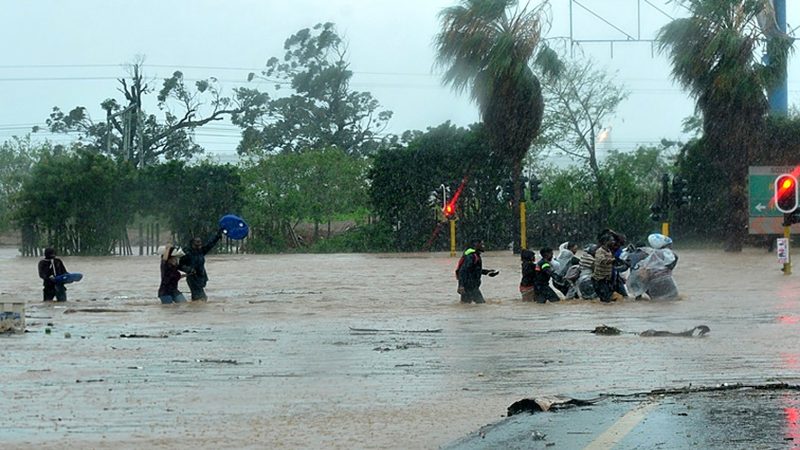
In Southern Africa, hotter and drier conditions threaten planting activities, agricultural production and the coming harvests.
The report projects that up to three million people in Zimbabwe, 2.6 million in Malawi and 1.8 million in Mozambique will face high levels of acute food insecurity through to March 2027.
The warning is consistent with regional climate projections. The Southern African Regional Climate Outlook Forum has forecast that central and southern parts of the region are likely to receive below-normal rainfall during the 2026/27 rainy season. The South African Weather Service has also predicted below-normal rainfall between November and March.
The Famine Early Warning Systems Network (FEWS NET) has identified Southern Africa as one of the regions of greatest concern, warning that El Niño could trigger widespread drought and become the main driver of food assistance needs in 2027.
South Africa enters the season in a relatively stronger position, with its 2026 commercial maize harvest estimated at a record 17.4 million tonnes, compared with annual consumption of about 12 million tonnes.
However, a strong domestic harvest does not remove the risks posed by adverse weather in the wider region or the possibility of pressure on food prices.
Paul Makube, senior agricultural economist at FNB, warned that the El Niño forecast “poses a huge risk to summer crops”, Cape Times reported.
A region still recovering from the 2024 drought
The latest warning brings back memories of the devastating drought that hit Southern Africa in 2024.
The El Niño-linked dry conditions severely damaged harvests across the region, prompting Zambia, Malawi, Zimbabwe, Botswana, Lesotho and Namibia to declare drought emergencies.
The WFP estimated that more than 27 million people were affected, making it one of the region’s worst hunger crises in decades.
The FAO and WFP say early intervention can reduce the damage to crops, livestock and household incomes before the worst effects of El Niño take hold.
Their joint El Niño anticipatory action plan aims to protect nine million people across 22 countries through measures designed to help vulnerable communities prepare for the impact.
The emphasis on early action is particularly important for small-scale farmers, whose livelihoods depend heavily on seasonal rainfall and who often have limited resources to recover from successive poor harvests.
Central America faces its driest season in four decades
The impact of El Niño is also being felt beyond Africa.
In the Central American Dry Corridor, the 2026 Primera, or first crop season, was the driest in 40 years. Crop losses exceeded 75% in many areas.
In Guatemala alone, 3.2 million people are projected to experience high levels of acute food insecurity between October 2026 and February 2027.
The situation illustrates how climate-related shocks are compounding existing vulnerabilities in regions where households depend on agriculture for food and income.
Conflict remains the leading driver of hunger
While climate conditions are worsening food insecurity in several regions, conflict and armed violence remain among the main drivers in 12 of the 16 hotspots.
These include all five areas identified as being of highest concern: Sudan, South Sudan, Somalia, parts of Nigeria and Yemen.
In four of the five, the latest assessments identified or projected populations facing Catastrophe, the most severe phase of the Integrated Food Security Phase Classification (IPC). At this level, households face extreme food shortages, starvation and death.
The most alarming situations are in Sudan and South Sudan.
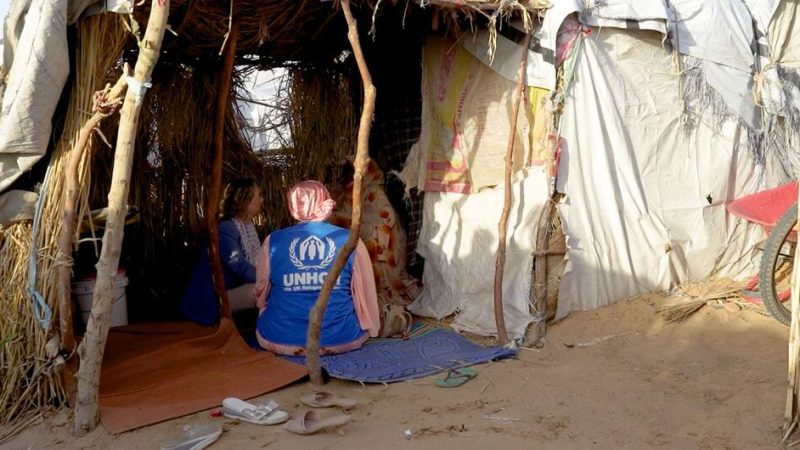
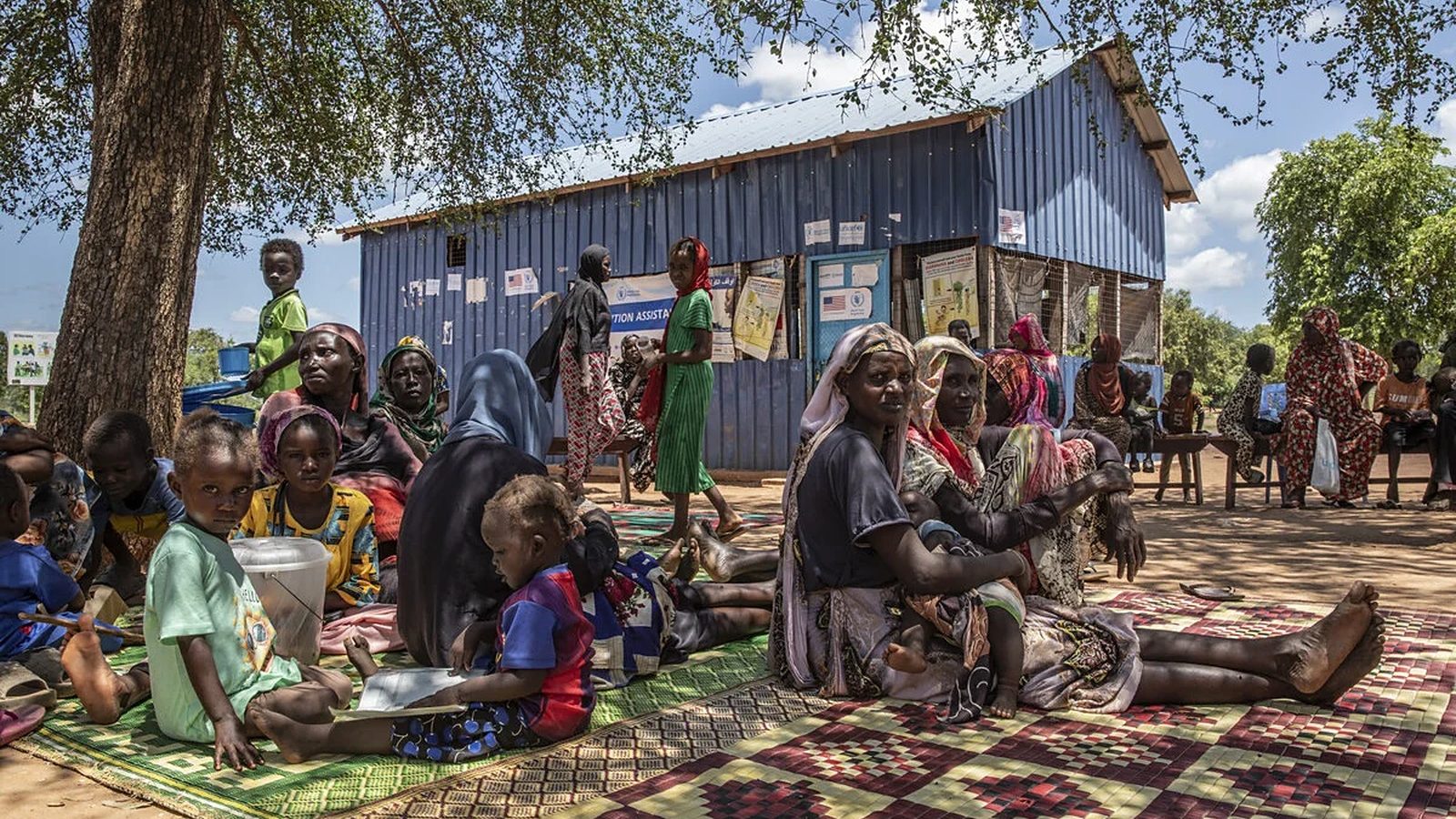
Under a reasonable worst-case scenario, 13 areas in North Darfur and South Kordofan in Sudan face a risk of famine through January 2027. In two camps for displaced people in South Darfur, acute malnutrition has already exceeded famine thresholds.
In South Sudan, the latest analysis identified a risk of famine in four counties in Upper Nile and Jonglei states through July 2026 under a worst-case scenario.
ALSO READ: Iceland’s Reykjanes Peninsula Experiences Twelfth Volcanic Eruption Since 2021
In Somalia, the immediate risk of famine has receded, and no population is currently projected to face Catastrophe. However, displaced people in Baidoa continue to experience Emergency conditions, classified as IPC Phase 4.
Afghanistan, the Democratic Republic of the Congo, Haiti and Palestine have been classified as hotspots of very high concern.
Food security in Gaza has begun to improve following the October 2025 ceasefire, but the agencies warned that these gains remain fragile. Conditions in the West Bank are also expected to deteriorate.
Humanitarian funding falls by 62%
Despite the scale of the threat, funding for food security and nutrition assistance in the five highest-concern hotspots has declined sharply.
The report says these areas have repeatedly been classified as hotspots of highest concern since 2022. Yet humanitarian funding for food security and nutrition fell by 62%, from $5.1 billion in 2022 to $2 billion in 2025.
The reduction comes as millions of people remain exposed to overlapping crises involving conflict, displacement, economic hardship and climate shocks.
The agencies warned that insufficient funding could undermine efforts to prevent hunger from escalating into famine, particularly in areas where humanitarian access is already restricted.
‘The worst outcomes are not inevitable’
The FAO and WFP have called for urgent humanitarian action across all 16 hotspots, with particular attention to areas at risk of famine. They also stressed the need for safe and unimpeded access to communities requiring assistance.
“El Niño is intensifying, threatening crops and harvests in already vulnerable regions and increasing the risk of acute food insecurity,” said FAO Director-General Qu Dongyu. “Yet the worst outcomes are not inevitable.”
He said life-saving agricultural assistance to help vulnerable families maintain food production was an essential part of the response.
WFP Executive Director Luke J. Lindberg said the report identified where famine could strike next.
“I’ve called upon all nations to banish famine to the history books,” he said. “It will take a united effort to end conflicts, fully resource our WFP field teams, and ensure they have safe access to reach vulnerable communities.”
“This is not a problem of operational ability, it is a question of whether world leaders have the political courage to act decisively,” Lindberg said.
Published twice a year through the Global Network Against Food Crises, the Hunger Hotspots report is intended to identify countries and regions where food insecurity is likely to deteriorate, allowing governments and humanitarian organisations to direct assistance before conditions become more severe.