JOHANNESBURG – The world needs 50 million more teachers by 2030 to meet global education goals, with sub-Saharan Africa facing the largest shortfall as overcrowded classrooms and a shortage of qualified educators put learning under pressure.
UNESCO, the International Labour Organisation, UNICEF, and Education International highlighted the challenge in a joint statement on World Teachers’ Day on 5 October.
The estimate includes 44 million additional teachers needed to achieve universal primary and secondary education, and another six million for pre-primary education.
But filling vacancies alone will not resolve the crisis. The organisations warned that governments must also do more to retain experienced teachers and give them the training, support and working conditions they need.
“Every learner deserves a teacher who is well prepared, well supported and empowered to thrive in the profession,” they said.
Sub-Saharan Africa faces the greatest pressure
Sub-Saharan Africa needs about 15 million additional primary and secondary teachers by 2030, according to UNESCO, making it the region with the greatest recruitment challenge.
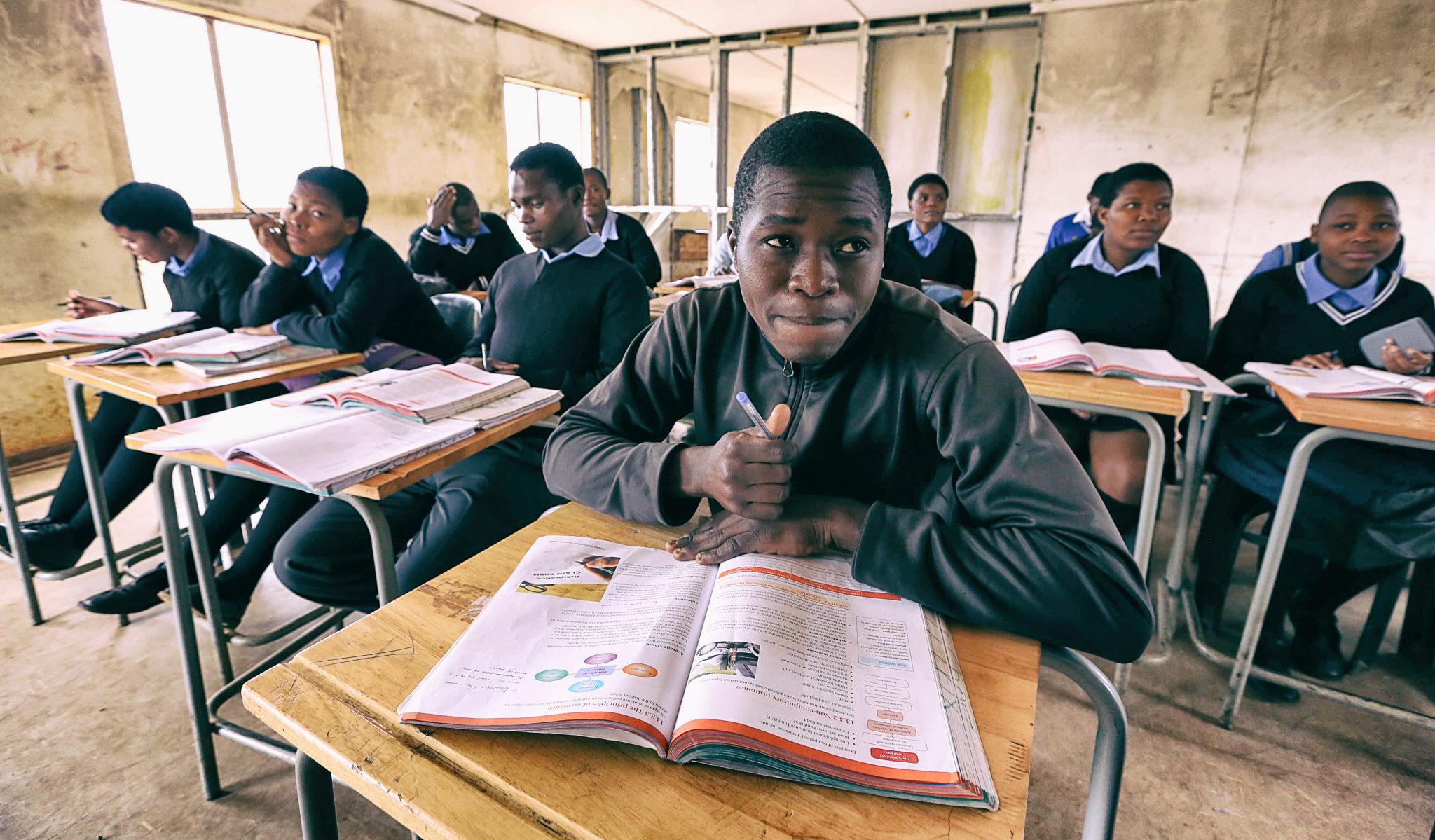
Its classrooms are already among the most crowded in the world. UNESCO data puts the average primary pupil-to-teacher ratio at 56 to one, although that measure does not necessarily reflect the size of individual classes.
Teacher qualifications are another concern. Only about 60% of secondary teachers in the region meet the minimum required qualifications, compared with 85% globally.
The shortage comes as education systems struggle to reach children who remain out of school. A UNESCO report published in March put the global out-of-school population at up to 273 million, after seven consecutive years of increases.
ALSO READ: Soldiers on the streets, children on the field: Mitchells plain’s r31.5m bet on a different future
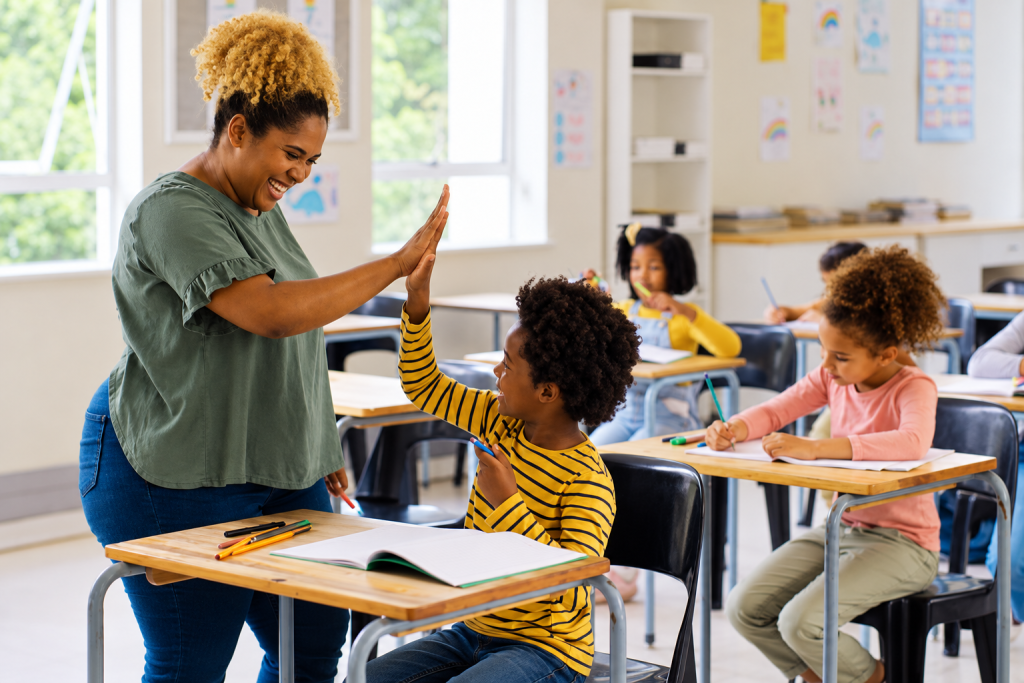
Expanding access will require more teachers, while improving learning will depend on how well those teachers are prepared and supported.
South Africa faces a retirement wave
South Africa’s challenge includes replacing an ageing teaching workforce.
Studies published in 2022 projected that about half of the country’s public school teachers would retire within a decade, with retirements peaking around 2030.
Researchers warned that universities would need to roughly double their annual output of teachers to meet replacement needs.
The pressure is already evident in classrooms. About half of South Africa’s primary school pupils are taught in classes of more than 40, leaving teachers with less time to give individual attention to children who need additional help.
Preparing enough new educators will therefore be crucial, particularly as experienced teachers leave the system.
Keeping teachers is as important as recruiting them
Teacher departures are making the global shortage harder to address.
UNESCO’s Global Report on Teachers found that the annual proportion of primary teachers leaving the profession nearly doubled from 4.6% in 2015 to 9% in 2022. Many leave within their first five years.
ALSO READ: From black holes to Africa’s place in the universe: Unisa hosts astrophysics trailblazer

“Recruiting new teachers is as necessary as retaining experienced ones,” the organisations said.
Low pay, heavy workloads, limited professional development and a lack of recognition are among the factors driving teachers out of the profession. UNESCO also reports that pre-primary and primary teachers earn slightly less than other professionals with comparable qualifications.
The problem extends beyond poorer countries. In three-quarters of the countries covered by the OECD’s 2024 Teaching and Learning International Survey, fewer than 40% of teachers said they felt society valued their profession.
These findings point to a challenge that recruitment campaigns cannot solve on their own: education systems must give teachers reasons to stay.
Closing the gap requires sustained funding
UNESCO’s 2024 Global Report on Teachers estimated that education systems would need about US$120 billion annually by 2030 to cover the salaries of the additional primary and secondary teachers required.
The organisations are calling for better pay and working conditions, stronger training, clearer career paths and more opportunities for women to move into leadership.
“Just as teachers support us all, it’s time to support teachers,” UN Secretary-General António Guterres said when the report was launched in 2024.
The shortage threatens progress towards Sustainable Development Goal 4, which calls for inclusive, equitable and quality education for all.
For children in the poorest communities, the consequences are immediate: crowded classrooms, less individual support and, in some cases, no qualified teacher available to teach them.